The modern global economy is built on a foundational paradox: the relentless pursuit of acquisition often leads directly to financial strain and environmental degradation. Every year, millions of tons of perfectly usable goods, ranging from unread books and redundant wardrobe items to untouched groceries, bypass utility and head straight to local landfills. This cycle of overconsumption and premature disposal has prompted a growing counter-movement focused on mindfulness, sustainability, and fiscal prudence. At the heart of this movement sits Use Less Stuff Day, observed annually on November 19. As households face ongoing economic pressures, inflationary grocery prices, and mounting waste management challenges, this observance provides an opportune moment to examine how intentional consumer habits can simultaneously reduce environmental footprints and protect household budgets.
The origins of Use Less Stuff Day trace back to the grassroots environmental advocacy movements of the late 20th century. Originally established to combat the soaring volume of municipal solid waste generated during the peak holiday shopping season, the day has evolved from a niche ecological observance into a broader cultural and financial touchstone. Environmental scientists and economists alike note that November 19 strategically precedes the chaotic consumer spending marathon of the winter holidays—spanning Black Friday, Cyber Monday, and the December gift-giving rush. By encouraging consumers to pause and evaluate their purchasing impulses just weeks before the retail industry’s busiest period, Use Less Stuff Day acts as a psychological buffer against impulse buying and material accumulation. Over the decades, the initiative has expanded its scope from simple trash reduction to encompass holistic concepts of zero-waste living, circular economies, and mindful spending.
To understand the urgency behind Use Less Stuff Day, one must look closely at the staggering volume of waste generated by industrialized nations. According to data from the Environmental Protection Agency (EPA), municipal solid waste generation in the United States alone reaches nearly 300 million tons annually, with a significant portion consisting of packaging, discarded textiles, and organic food waste. The financial implications for the average household are equally striking. Consumer spending data consistently shows that the average household routinely discards hundreds of dollars worth of spoiled groceries each year, while simultaneously investing in redundant non-perishable items—such as kitchen gadgets, tools, and clothing—that duplicate existing inventory. Financial analysts emphasize that waste is not merely an environmental concern; it is a direct leak in personal finance. When items are purchased and discarded prematurely, hard-earned capital is effectively squandered on products that offer zero long-term utility.
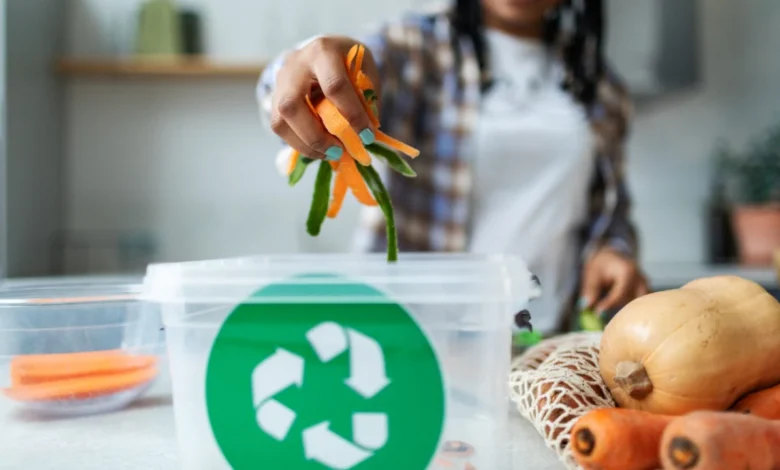
Addressing this systemic consumer friction requires a fundamental shift in daily habits, beginning in the kitchen. Food waste represents one of the most accessible areas for immediate household correction. Culinary and financial experts advocate for pantry and refrigerator audits before embarking on grocery store trips. By utilizing ingredients already present in the home, consumers can drastically minimize food spoilage while lowering weekly grocery expenditures. This approach requires a degree of culinary creativity, transforming routine meal preparation into an exercise of resourcefulness. Rather than viewing an eclectic mix of remaining pantry staples as a lack of options, resourceful households treat it as a challenge to invent new recipes, effectively maximizing the utility of every item purchased and curtailing unnecessary trips to the supermarket.
Beyond the kitchen, the ethos of Use Less Stuff Day extends deep into the maintenance, repair, and circulation of durable goods. In an era dominated by fast fashion and planned obsolescence, consumer electronics, appliances, and apparel are frequently discarded at the first sign of minor wear or malfunction. However, a growing faction of consumers is rediscovering the economic and ecological value of basic maintenance. Simple interventions—such as employing basic sewing skills to mend torn seams, utilizing targeted stain-removal techniques to restore clothing longevity, or consulting digital tutorials to troubleshoot malfunctioning household appliances—can extend the operational lifecycle of consumer goods by years. Furthermore, the expansion of the circular economy through digital platforms, community tool libraries, public lending systems, and secondhand marketplaces allows individuals to acquire necessary items or divest surplus belongings without contributing to manufacturing demand or landfill volume.
The economic and ecological implications of embracing a lower-consumption lifestyle resonate far beyond individual household budgets. Environmental economists point out that every manufactured good carries an embodied energy cost—the total energy required to extract raw materials, manufacture, package, and transport the product to a retail shelf. When a consumer chooses to repair an existing item, borrow a tool instead of purchasing a new one, or repurpose an old textile into a cleaning rag, they actively reduce the demand for virgin resource extraction and manufacturing emissions. From a public policy perspective, reducing municipal solid waste directly alleviates the mounting financial and logistical burdens placed on local governments responsible for landfill maintenance and waste processing. As municipal landfill capacities shrink and tipping fees rise, community-level waste reduction translates directly into taxpayer savings.
Financial advisors and sustainability advocates alike emphasize that the principles championed on November 19 should not be confined to a single calendar date. Integrating resourcefulness into daily decision-making requires a continuous critical appraisal of personal consumption. Before making a retail purchase, consumers are encouraged to apply a diagnostic mental framework: assessing whether the desired item fulfills a genuine, long-term need, evaluating whether an existing possession can be adapted or repaired to serve the same function, and exploring whether the item can be acquired secondhand or borrowed. By reframing consumption as a deliberate choice rather than an automatic reflex, individuals can insulate themselves against economic volatility while contributing to broader ecological preservation. As Use Less Stuff Day continues to gain visibility, it serves as a timely reminder that true financial freedom and environmental stewardship often begin not with acquiring more, but with recognizing the profound value of what is already at hand.