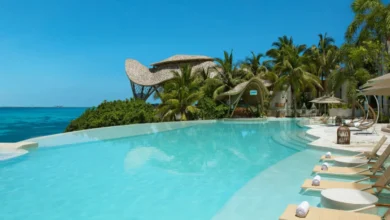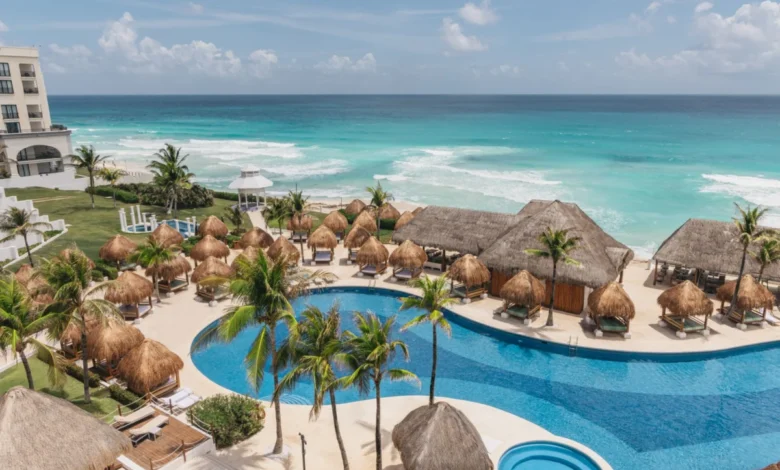
The evolution of Cancun, Mexico, as an international tourism powerhouse stands as one of the most significant transformations in modern travel history. What began decades ago as a government-planned resort corridor geared primarily toward college students and budget-conscious vacationers has matured into a sophisticated, high-end destination. While the legacy of spring break persists in popular culture, the reality on the ground in the Mexican Caribbean has shifted dramatically. Today, Cancun’s hospitality sector—anchored by its iconic Hotel Zone, the tranquil northern enclave of Playa Mujeres, and the nearby island of Isla Mujeres—caters increasingly to luxury travelers seeking bespoke experiences, Michelin-caliber dining, and wellness-focused itineraries packaged within modern all-inclusive frameworks.
Main Facts and the Modern All-Inclusive Paradigm
The contemporary all-inclusive resort experience in Cancun bears little resemblance to the mass-market buffet models of the late 20th century. Major global hospitality brands, alongside elite independent operators, have invested billions of dollars to redefine the category. Today’s luxury all-inclusive properties routinely feature private plunge pools overlooking the Caribbean Sea, dedicated butler service, and high-end restaurants helmed by internationally recognized chefs.
Data from tourism boards and hospitality analytics firms indicate that the demand for high-end all-inclusive resorts has surged post-pandemic. Travelers increasingly prioritize hassle-free planning and price certainty, but they refuse to compromise on culinary quality, architectural design, and personalized service. In Cancun, this demand has driven a wave of new property openings and extensive multi-million-dollar renovations across older resorts. Operators are pivoting away from generic, high-volume offerings to hyper-curated environments that highlight Mexican culture, local gastronomy, and environmental sustainability.
Chronology of a Tourism Giant: From Government Project to Global Hub
The transformation of Cancun is a carefully documented chapter in global urban planning and economic development. Understanding its current luxury renaissance requires examining the timeline of its growth:
- The Early 1970s: The Mexican federal government, through the national tourism development agency Fonatur, identified a deserted barrier island shaped like a number seven as the ideal location for a major tourism hub. Infrastructure development began, transforming quiet mangroves and white-sand beaches into a planned resort zone.
- The 1980s and 1990s: Cancun experienced rapid expansion, establishing itself as the premier destination for American tourists. During this period, the all-inclusive model gained immense popularity, prioritizing accessibility, affordability, and volume. The destination simultaneously cemented its reputation as a primary spring break hotspot.
- The 2000s: As the original wave of visitors matured, their travel preferences evolved. Resorts began noticing a demand for more refined amenities. Boutique properties started entering the market, and established brands introduced adults-only sections and upgraded culinary programs to capture higher-spending demographics.
- The 2010s to Present: Accelerated by an explosion of nonstop airline routes from major hubs across the United States and Canada, Cancun experienced an unprecedented boom in luxury development. The focus expanded geographically beyond the primary 17-mile Hotel Zone into Playa Mujeres to the north and the Riviera Maya to the south, while integrating wellness tourism, eco-conscious building practices, and high-end gastronomy.
Supporting Data and Connectivity
A cornerstone of Cancun’s enduring dominance in international travel is its unmatched air connectivity. Cancun International Airport (CUN) serves as the second-busiest airport in Mexico and the primary gateway for international arrivals into the region.
According to flight data and airport statistics, CUN regularly handles hundreds of daily flights connecting the destination to virtually every major metropolitan area in the United States, Canada, and an increasing number of European and Latin American capitals. The abundance of nonstop flight options significantly reduces transit times and travel friction, making long-weekend getaways to luxury all-inclusive properties feasible for travelers based across North America.
Furthermore, economic reports from the Quintana Roo Tourism Board highlight that tourism accounts for the vast majority of the state’s GDP. The steady influx of capital has allowed local and international developers to continuously upgrade infrastructure, ensuring that high-end resorts can offer reliable utilities, advanced security, and seamless digital connectivity.
Industry Perspectives and Expert Analysis
Hospitality executives and tourism analysts point to the blurring lines between traditional luxury hotels and all-inclusive resorts as the defining trend of the current decade. For decades, luxury purists often looked down upon the all-inclusive model, associating it with a lack of culinary authenticity and diminished service standards.
However, industry experts note that consumer behavior has decisively shifted. Today’s travelers—particularly affluent Millennials and Gen Xers—value time and convenience as much as exclusivity. By wrapping premium amenities, top-shelf spirits, and fine dining into a single upfront cost, modern all-inclusive resorts eliminate the transactional friction of traditional vacations.
"The modern traveler wants seamlessness without sacrificing quality," notes a hospitality development consultant specializing in the Latin American market. "When guests pay for a luxury all-inclusive stay in Cancun today, they expect the same culinary precision and personalized concierge attention they would receive at an urban five-star property in New York or Paris. The market has responded accordingly, and properties that fail to deliver on this sophisticated standard are being left behind."
Broader Impact and Economic Implications
The shift toward high-end tourism has profound economic and social implications for the region. While the mass-market model historically drove high volume, the luxury segment generates higher per-visitor expenditures, which can translate into better-paying jobs for the local workforce and increased revenue for regional supply chains, from local organic farmers to artisanal craftspeople.
At the same time, the rapid development of Cancun’s coastline presents ongoing environmental challenges. Local authorities, conservation groups, and resort operators face mounting pressure to protect the fragile Mesoamerican Barrier Reef system, manage waste disposal effectively, and combat seasonal sargassum seaweed arrivals through sustainable, proactive measures. Many of the newer luxury resorts are leading the charge, implementing advanced water-treatment facilities, eliminating single-use plastics, and achieving internationally recognized green building certifications.
Ultimately, Cancun’s ability to reinvent itself remains its greatest asset. The destination has successfully shaken off the narrow confines of its spring break heritage to offer a diverse spectrum of travel experiences. Whether a visitor seeks the vibrant energy of the central Hotel Zone, the secluded tranquility of Playa Mujeres, or the island charm of Isla Mujeres, the modern Cancun resort landscape proves that the all-inclusive model has not only survived over the past decades—it has grown up entirely.