Building a Pipeline of Student Voices: How Unity Concord International School Transformed Public Speaking into a Campus Ecosystem

Every educator knows the challenge: teenagers possess profound, nuanced ideas, yet the transition from internal thought to external communication requires more than a simple invitation to speak. It demands a structured, supportive ecosystem that nurtures confidence through incremental exposure and iterative practice. At Unity Concord International School (UCIS) in Chiang Mai, Thailand, faculty have developed a pedagogical model that integrates the TED-Ed Student Talks program with the school’s annual TEDxUCIS Youth event, creating a self-sustaining pipeline that is fundamentally altering the school’s academic culture.
The Structural Foundation of the UCIS Model
The program operates on a dual-track system designed to minimize the intimidation factor often associated with public speaking. The foundation is built upon the TED-Ed Student Talks group, which functions as a low-stakes, developmental environment for students in the 5th and 6th grades. By introducing these younger students to the mechanics of storytelling and public speaking early, the school effectively mitigates the performance anxiety that typically peaks during the middle and high school years.
According to Abby Schrantz, the school’s TED-Ed Student Talks Coordinator, the growth of the program is largely attributable to a grassroots approach to student recruitment. Rather than relying on passive dissemination methods like email bulletins, Schrantz engages in direct, face-to-face recruitment within homerooms. This method leverages the power of peer advocacy, where students who have previously participated in the program serve as ambassadors. This internal peer-to-peer marketing has been so successful that the program is currently operating at maximum capacity, demonstrating a high level of student demand for platforms that prioritize individual expression.
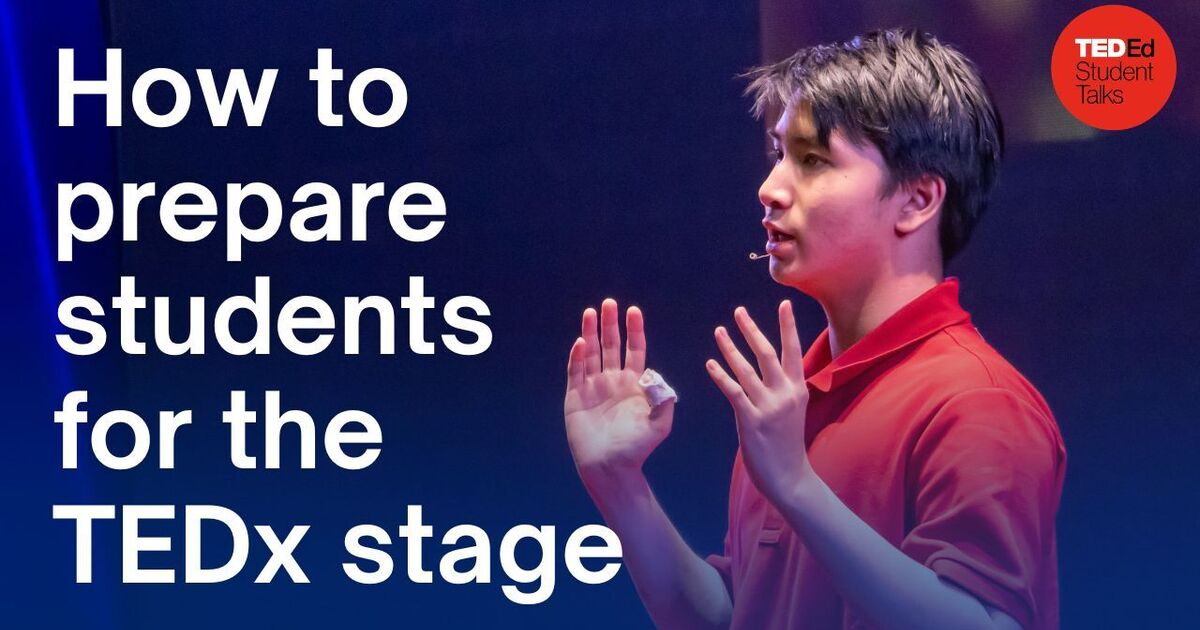
The curriculum within the group is not static. Schrantz actively deviates from standard instructional manuals to incorporate interactive peer-review sessions. By analyzing recordings of past talks, students learn to provide constructive critique, fostering a culture of mutual improvement rather than competitive performance.
Chronology of the Programmatic Integration
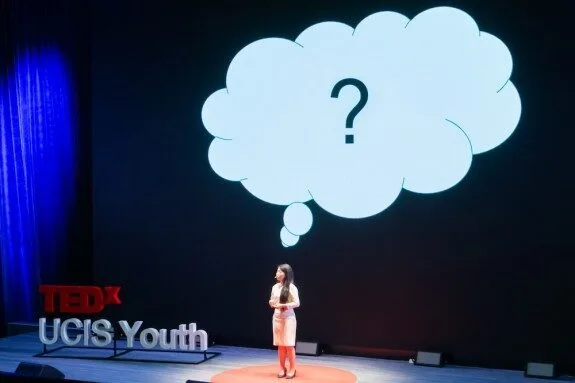
The integration of these two programs—the developmental TED-Ed group and the high-profile TEDx event—serves as the catalyst for student transformation. Historically, schools often treat student speaking projects as isolated, one-off events. UCIS, however, has synchronized its calendar to ensure that participants of the TED-Ed Student Talks are integrated into the TEDxUCIS Youth event as audience members, volunteers, and eventually, featured speakers.
This chronological progression allows for a "showcase" effect. When younger students witness their older peers commanding a professional stage, the abstract concepts of public speaking become tangible. Following recent iterations of the event, facilitators reported an immediate uptick in student interest regarding the technical nuances of performance, such as emotional delivery, visual aid design, and the pacing of narratives. This transition from observer to participant is the crux of the school’s strategy, ensuring that by the time students reach the high school level, they are not novices, but experienced communicators who understand the rigor required for a professional-grade presentation.
Data-Driven Insights on Student Engagement
While the emotional benefits of such programs are frequently cited, the administrative efficiency gains are equally significant. Madison Conger, the TEDxUCIS Youth license holder, notes that the existence of a pre-established pipeline simplifies the logistical burden of organizing large-scale events. In a typical academic environment, organizers often spend significant time on basic training—teaching students how to structure a narrative or handle a microphone. At UCIS, the TED-Ed Student Talks program acts as a "training ground" that yields significant dividends.
Data from the school suggests that students who complete the multi-year trajectory possess a higher degree of self-efficacy. They are familiar with the "TED" framework—the constraints of time, the importance of a single core idea, and the necessity of rehearsed delivery. Consequently, when the annual TEDx event approaches, the organizing committee does not have to begin at square one. This allows the committee to focus on higher-level production values, such as the design of sensory rooms, art installations, and professional staging, which further elevates the prestige of the event and reinforces its role as a centerpiece of the school year.
Institutional Impact and Cultural Shift
The implications of this program extend far beyond the auditorium. The ideas curated through these platforms have begun to influence institutional policy and student life at UCIS. A notable example involved a student’s presentation on the challenges faced by "cross-cultural kids"—students navigating multiple identities in an international school setting. The impact of this specific talk transcended the stage; it served as the impetus for the creation of a formal support community for parents and students to address cross-cultural integration issues.
This confirms a shift from public speaking as an academic exercise to public speaking as a tool for institutional advocacy. When students identify systemic challenges or personal struggles—such as the psychological weight of societal expectations or the phenomenon of overthinking—and are given a platform to articulate them, the entire school community benefits. The resulting dialogue fosters an environment of empathy, where vulnerability is viewed as a strength rather than a liability.
Expert Perspectives on Implementation
Fernando Oringo, the International Co-curricular Coordinator of the Ambassador Education Group, who oversees these programs across Thailand, Vietnam, and Cambodia, emphasizes that the "brand" identity of TED provides a unique incentive for students. In a globalized education landscape, students recognize TED as a credible, international standard for thought leadership. By aligning their school programs with this established brand, educators provide students with a sense of gravity and importance that standard class presentations often lack.
The success of the UCIS model rests on three primary pillars:
- Accessibility: Lowering the barrier to entry through developmental groups for primary-aged students.
- Visibility: Using the main stage as a goal-oriented destination for students, creating a clear "roadmap" for growth.
- Institutional Buy-in: Integrating student-led ideas into the fabric of school life to demonstrate that their voices have tangible consequences.
Implications for Global Education
The model developed at UCIS offers a scalable blueprint for other educational institutions. The transition from a fragmented extracurricular approach to an integrated pipeline is a strategy that can be adapted to various school sizes and demographics. As educators globally seek ways to foster critical thinking and communication skills, the synthesis of developmental coaching and professional-standard presentation platforms appears to be a highly effective solution.
The broader implication is that students are capable of producing work of significant intellectual and social value when provided with the proper infrastructure. By treating students as intellectual agents rather than passive recipients of information, the school has managed to turn public speaking into a permanent fixture of its identity. As noted by the organizers, the goal is not merely to produce polished speakers, but to empower a generation of students who understand that their ideas are worthy of a public forum and, ultimately, capable of sparking real-world change.
As the program continues to evolve, the focus remains on the iterative process: identifying the next cohort of 5th graders, guiding them through the developmental milestones of the TED-Ed framework, and preparing them to take their place on the TEDx stage. In doing so, UCIS is not just running an event; it is cultivating a sustainable culture of discourse that defines the educational experience for every student on campus.