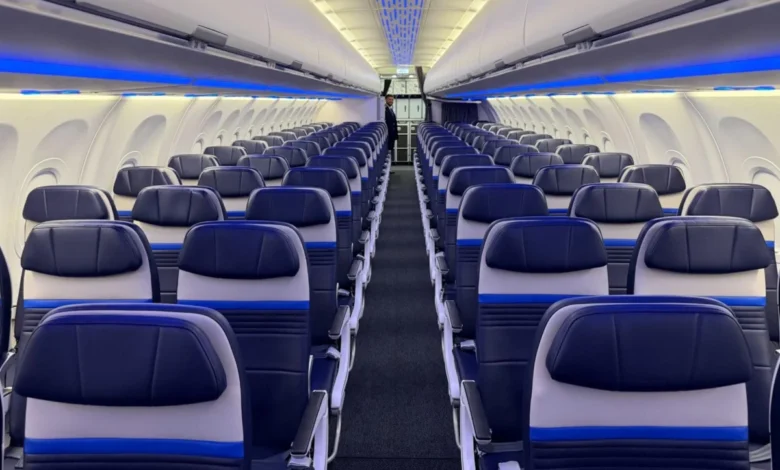
As inflationary pressures and elevated post-pandemic travel demand continue to keep airfares at historically high levels, consumers are increasingly seeking out budget-friendly alternatives to traditional ticketing. For price-conscious travelers looking to shave $100 or more off a domestic round-trip itinerary, basic economy fares present a tempting proposition. The upfront savings can be reallocated toward lodging, dining, or destination activities, making it an attractive option for those traveling on a strict budget.
However, the allure of a lower ticket price traditionally comes with a litany of operational constraints. Standard basic economy tickets across major domestic carriers typically restrict seat selection, eliminate the accrual of frequent flyer miles or loyalty status points, and relegate passengers to the very back of the boarding queue. Furthermore, these itineraries are usually strictly non-changeable and non-refundable, meaning any alteration to travel plans incurs steep penalty fees that can quickly erase any initial monetary savings.
Within the landscape of legacy U.S. carriers, United Airlines enforces an even stricter policy for its basic economy passengers: travelers are prohibited from bringing a full-sized carry-on bag into the cabin, limiting them solely to a personal item that fits beneath the seat in front of them. Yet, a strategic loophole exists for frequent flyers and co-branded credit cardholders. By holding the United Explorer Card, passengers can effectively dismantle several of the most prohibitive basic economy restrictions, transforming a restrictive budget ticket into a more flexible and rewarding travel experience.
The Evolution of Basic Economy and Industry Context
To understand the strategic value of co-branded airline credit cards, one must examine the evolution of basic economy within the commercial aviation industry. Introduced roughly a decade ago by legacy carriers like Delta Air Lines, American Airlines, and United Airlines, basic economy was designed to compete directly with ultra-low-cost carriers (ULCCs) such as Spirit Airlines and Frontier Airlines. By stripping away standard amenities—such as advance seat assignments, overhead bin access, and change flexibility—legacy airlines could offer headline-grabbing base fares to price-sensitive consumers on flight search engines.
Over time, airlines progressively tightened these restrictions to protect their ancillary revenue streams, which rely heavily on seat selection fees and baggage charges. For United Airlines, the restriction barring full-sized carry-on bags for basic economy passengers became a key differentiator. While budget carriers charge for both carry-on and checked luggage, United used the overhead bin restriction to prevent congestion at the gates and encourage passengers to either pack lighter or purchase standard economy tickets.
This environment created a distinct challenge for travelers caught between wanting to minimize travel expenses and avoiding the severe friction points of budget tickets. Co-branded airline credit cards emerged as a primary financial vehicle to bridge this gap, offering cardholders specialized perks designed to restore a baseline level of comfort and convenience to otherwise stripped-down travel experiences.
Unlocking Miles and Rewards on Budget Fares
One of the most notable penalties associated with basic economy tickets across the airline industry is the forfeiture of loyalty rewards. Historically, major carriers barred passengers from earning redeemable miles or elite-qualifying points on deeply discounted fares, effectively penalizing budget-conscious flyers by halting their progress toward future free travel or status tiers.
United Airlines maintains a unique policy that diverges from this industry-wide trend, provided the traveler holds an eligible co-branded credit card. Cardholders of the United Explorer Card continue to earn miles on basic economy purchases. Specifically, eligible cardholders earn 3 redeemable miles per dollar spent on United basic economy tickets, excluding government-imposed taxes and select fees. While this earning rate is half of the 6 miles per dollar awarded on standard economy tickets for cardholders, it represents a significant advantage over competitors where basic economy spending yields zero return.
Moreover, these earnings are augmented by the card’s baseline rewards structure, which grants 3 miles per dollar on all direct United purchases. The utility of these accumulated miles is further enhanced by another cardholder benefit: a discount of at least 10% on award tickets operated by United or United Express. For elite status holders, this discount increases to at least 15%. By maintaining the ability to earn and redeem miles efficiently, basic economy passengers utilizing the card mitigate one of the primary long-term financial drawbacks of budget travel.
Navigating Boarding Groups and Carry-On Restrictions
The most stressful operational hurdle for United basic economy passengers is the baggage policy. United’s enforcement mechanism ties cabin bag allowances directly to the passenger’s boarding group. Standard basic economy ticket holders are assigned to Group 6, the final boarding group of the aircraft. Because United strictly prohibits Group 6 passengers from bringing a full-sized carry-on bag into the cabin—subject to a gate-check fee of $65 plus applicable checked bag fees if caught at the gate—travelers are typically forced to check bags or pack exclusively into a small personal item.
Holding the United Explorer Card alters this dynamic by granting priority boarding in Group 2. This perk applies regardless of the fare class purchased, meaning even a basic economy passenger is elevated to an earlier boarding tier.
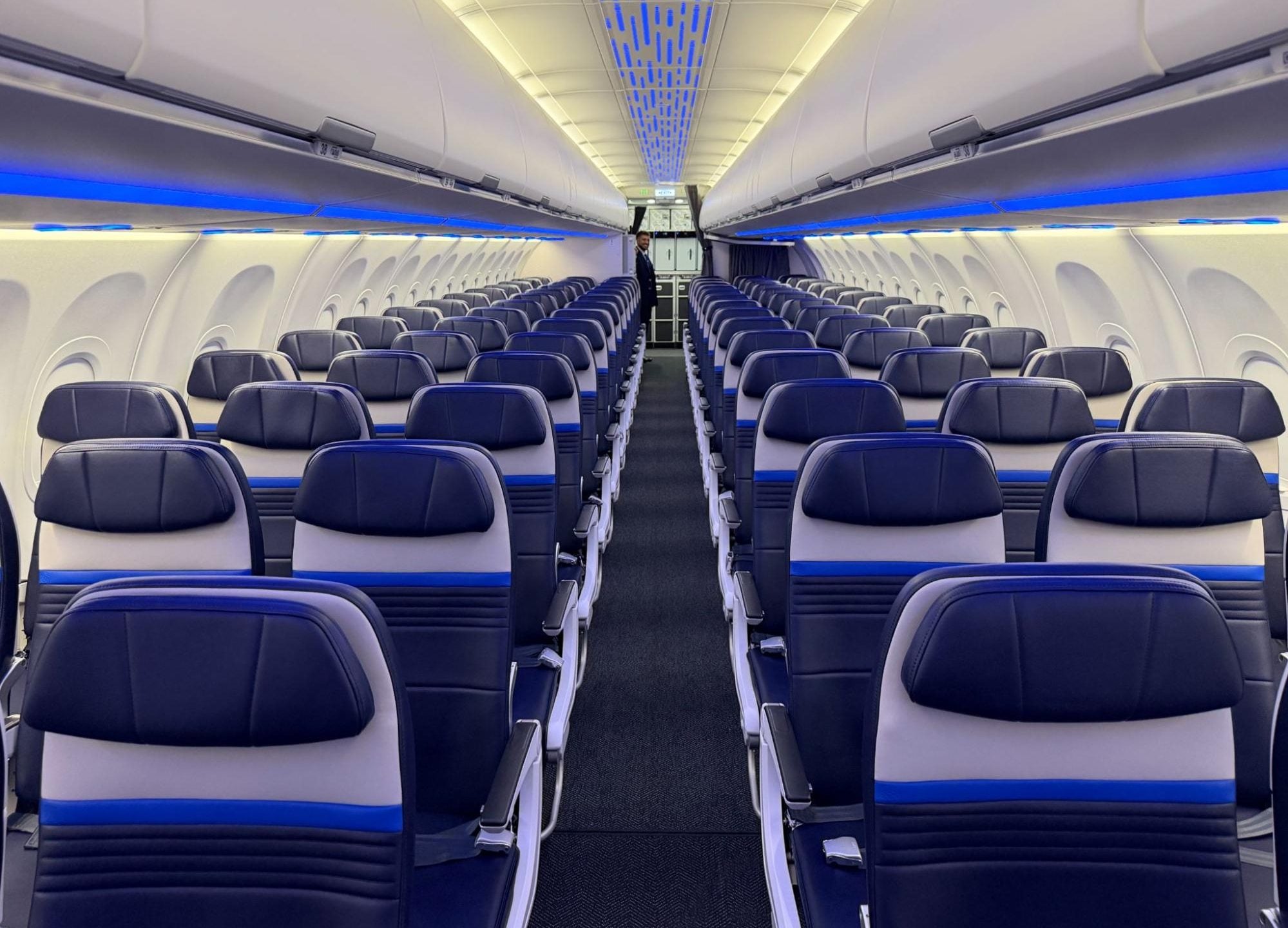
By boarding in Group 2, the passenger effectively bypasses the primary enforcement filter for United’s carry-on restriction. Group 2 passengers are safely aboard the aircraft before overhead bin space becomes scarce, allowing them to bring a full-sized rolling suitcase into the cabin without facing gate penalties. Alternatively, Premier elite members—who also board in Group 2 or earlier—enjoy the same exemption from the full-size carry-on restriction when flying on basic economy itineraries.
Leveraging Free Checked Baggage Policies
For travelers who prefer not to wrestle a heavy suitcase through the terminal or compete for overhead bin space, checking luggage is a viable alternative. However, standard baggage fees on domestic flights typically cost $40 for the first checked bag each way, which can quickly negate the $100 savings achieved by purchasing a basic economy fare.
The United Explorer Card provides a financial remedy for this dilemma. Cardholders who purchase their tickets using the card are entitled to a complimentary first checked bag for themselves and one companion traveling on the same reservation. For a round-trip itinerary, this benefit yields a direct savings of up to $160 in baggage fees, easily outpacing the cost of the ticket discount and rendering the financial math of basic economy much more favorable.
Industry analysts note, however, that these benefits come with strict procedural requirements. To qualify for the free checked bag perk, the ticket must be purchased directly with the United Explorer Card. Furthermore, if the itinerary involves codeshare flights or the first segment is operated by a partner airline rather than United or United Express, the operating carrier’s baggage rules supersede United’s policy, potentially exposing the traveler to unexpected fees.
Limitations: What Remains Unchanged
Despite the strategic advantages conferred by co-branded credit cards, fundamental restrictions inherent to basic economy tickets remain immutable. Holding a United credit card does not exempt a passenger from the rigid change and cancellation policies governing basic economy fares.
Unlike standard economy tickets, which allow free cancellations for travel credit or itinerary changes without penalty fees (excluding basic economy and international basic fares on certain routes), basic economy tickets remain strictly rigid. If a traveler’s plans change unexpectedly, the penalty fees or the total loss of the ticket value will frequently exceed any initial savings achieved at checkout. Consequently, financial advisors and travel experts consistently emphasize that basic economy tickets should only be purchased when travel plans are entirely firm and unshakeable.
Additionally, seat selection policies remain unaffected by cardholder status. Basic economy passengers are assigned a seat automatically prior to departure, often resulting in middle-seat placements. While the card provides priority boarding and baggage privileges, it does not grant complimentary access to advance seat selection or Economy Plus seating. Travelers must weigh their personal tolerance for middle seats—particularly on longer domestic or transcontinental routes—against the financial savings of the fare.
Financial Analysis and Strategic Implications
The intersection of high airfares, basic economy pricing structures, and airline credit card perks highlights a broader shift in modern commercial aviation economics. Airlines increasingly rely on ancillary products, co-branded credit card portfolios, and loyalty program revenue to stabilize their balance sheets against fluctuating fuel costs and labor expenses.
For the consumer, navigating this ecosystem requires careful calculation. The current welcome offer for new United Explorer Card applicants—earning 70,000 bonus miles after spending $3,000 on purchases in the first three months of account opening, plus an additional 10,000 bonus miles for adding an authorized user during the same period—adds substantial short-term value to the card, which carries an annual fee of $0 intro for the first year, then $150.
When evaluated objectively, combining a discounted basic economy fare with the strategic benefits of a co-branded card offers a viable blueprint for cost-effective travel. However, consumer advocates advise travelers to conduct a holistic cost-benefit analysis before booking. Factors such as the absolute certainty of travel plans, the duration of the flight, the necessity of overhead bin storage, and the long-term value of accumulated loyalty miles must all be factored into the decision.
Ultimately, while basic economy will remain a polarizing fare class due to its restrictive nature, informed travelers equipped with the proper financial tools can successfully navigate its pitfalls, minimizing out-of-pocket expenses while preserving an acceptable level of travel comfort and convenience.