Bradley Cooper and Danny McBride’s ‘G.I. Joe’ Movie Set for 2028; Paramount Shifts New ‘Paranormal Activity’ to Halloween 2027

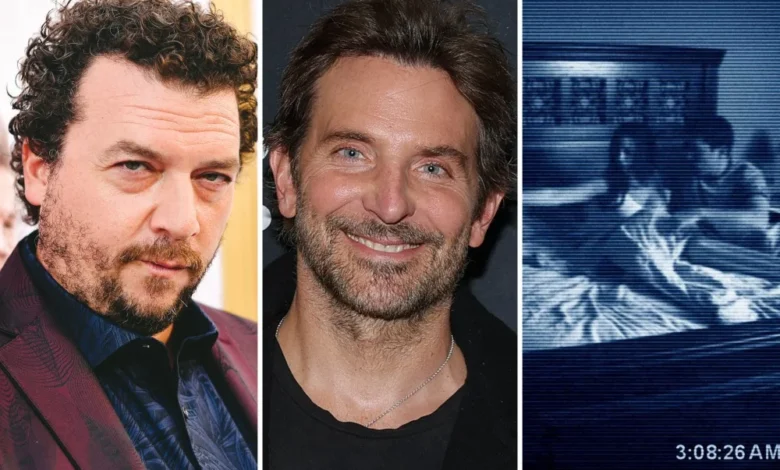
The global cinematic landscape is undergoing a profound transformation as the newly consolidated Skydance-Paramount-Warner Bros. entity begins to flex its intellectual property muscles. In a series of high-stakes scheduling announcements made this past Friday, the studio confirmed that the long-gestating reboot of the G.I. Joe franchise, spearheaded by visionary filmmaker Danny McBride, will arrive in theaters on October 20, 2028. Simultaneously, the studio signaled a strategic shift for the horror genre, moving the latest installment of the Blumhouse Atomic-produced Paranormal Activity franchise to a prime October 22, 2027, release window, departing from its previously slated summer debut.
These announcements serve as the first major indicators of how the combined studio behemoth intends to manage its deep reservoir of iconic intellectual property. By aligning these high-profile projects with specific seasonal release strategies—the "Halloween corridor" for horror and mid-autumn positioning for tentpole action—the studio is signaling a return to disciplined, data-driven distribution models.
The Reimagining of a Cultural Icon
The decision to task Danny McBride with the G.I. Joe franchise represents a bold creative departure for the property. Known primarily for his sharp, character-driven comedy, McBride’s pivot to a massive Hasbro action franchise has generated significant industry intrigue. He is joined by his long-time collaborators Jeff Fradley and John Carcieri, with whom he co-wrote the screenplay. The creative trio is tasked with breathing new life into a brand that has struggled to find consistent footing in the live-action space despite its massive cultural footprint.
Central to the project is the casting of Bradley Cooper as Duke, the quintessential G.I. Joe field leader. The casting is being viewed by industry analysts as a strategic "anchor" move, providing a recognizable A-list face to ground the franchise reboot. While the studio remains notoriously tight-lipped regarding the specific narrative trajectory of the film, the project is backed by a powerhouse production team, including Lorenzo di Bonaventura, Mark Vahradian, and Zev Foreman on behalf of Hasbro Entertainment.
The history of G.I. Joe on the big screen has been marked by peaks and valleys. Originally launched as a Hasbro toy line in 1964, the "Real American Hero" brand expanded into a multi-generational juggernaut spanning comic books, Saturday morning cartoons, and a trio of live-action films released between 2009 and 2021. The reboot faces the challenge of modernizing the franchise’s military aesthetic for a contemporary audience that has grown increasingly sophisticated regarding geopolitical storytelling.
Paranormal Activity and the Evolution of Found-Footage
While G.I. Joe targets the spectacle-driven box office, the shift in the Paranormal Activity release schedule underscores a different strategy. By moving the upcoming entry from its initial May 21 date to October 22, 2027, the studio is intentionally placing the film in the heart of the Halloween season—a period that has historically provided the highest returns for horror properties.
Directed by Ian Tuason, the new film seeks to revitalize a franchise that defined the low-budget, high-return model of the 21st century. The original 2007 Paranormal Activity, directed by Oren Peli, remains a masterclass in independent filmmaking; produced on a shoestring budget, it grossed nearly $194 million worldwide, effectively launching the Blumhouse production model. To date, the franchise has spawned seven installments and amassed a global box office total exceeding $900 million.
The upcoming installment features a cast including Chase Yi, Sonia Mena, and Maya Da Costa. The production marks a collaborative effort between the newly formed Blumhouse Atomic—led by industry stalwarts James Wan and Jason Blum—and Peli’s Solana Films. Executive production oversight is handled by a deep bench of industry professionals, including Michael Clear, Judson Scott, and Alayna Glasthal, alongside Steven Schneider of Room 101, Inc., and partners Dan Slater and Cody Calahan. This level of institutional support suggests that the studio views the "found-footage" format as a viable long-term asset, provided it is timed correctly within the seasonal market.
The Skydance Consolidation and Strategic IP Management
These scheduling decisions cannot be viewed in isolation; they are symptoms of the larger structural changes initiated by David Ellison’s Skydance Media following the consolidation of Paramount and Warner Bros. The primary goal of this massive entity is to maximize the utility of its expansive IP library. With the ability to release approximately 30 films annually, the new mega-studio is currently navigating a balancing act between legacy franchises and new creative ventures.
The current slate reveals a roadmap that touches on virtually every major genre segment:
- Action and Adventure: Beyond G.I. Joe, the studio is actively developing a new Transformers project, with legendary filmmaker Steven Spielberg attached as a producer. This move suggests an attempt to bring a more refined, narrative-first approach to the long-running robot franchise.
- Legacy Sequels: The studio continues to prioritize its "crown jewels," with ongoing development for sequels to Top Gun, Teenage Mutant Ninja Turtles, Sonic the Hedgehog, and the long-running Star Trek franchise.
- Prestige and Genre Expansions: Warner Bros.’ side of the ledger remains robust, with the upcoming Ocean’s 11 prequel—directed by Bradley Cooper and co-starring Margot Robbie—serving as a high-priority project. Additionally, the expansion of the Lord of the Rings cinematic universe and the sequel to the film Weapons, titled Gladys, indicate a commitment to building interconnected universes rather than one-off hits.
Implications for the Future of Exhibition
For theater owners, the commitment of 30 films per year from a single entity provides a much-needed sense of stability. The post-pandemic theatrical landscape has been characterized by volatility, with studios frequently reshuffling dates and experimenting with hybrid release windows. The clear delineation of release dates—with G.I. Joe firmly set for 2028 and Paranormal Activity slated for the 2027 Halloween season—allows exhibitors to plan their marketing and concessions strategies with greater foresight.
However, the strategy is not without its risks. The reliance on legacy IP remains a double-edged sword. While these titles carry built-in brand awareness, they also come with the burden of audience expectations. The failure of previous G.I. Joe iterations to sustain momentum serves as a cautionary tale for the studio. McBride’s success will depend on whether he can navigate the balance between honoring the source material and subverting the tired tropes that have plagued the action genre in recent years.
Furthermore, the integration of Blumhouse Atomic into this larger corporate structure represents an interesting test case. Traditionally, Blumhouse has thrived on agility, lower budgets, and high-risk/high-reward concepts. Whether that creative DNA can survive within a massive, conglomerate-owned studio environment is a question that will be answered by the performance of the upcoming Paranormal Activity. If the film succeeds, it will likely set the template for how horror franchises are managed under the new leadership.
Looking Ahead: The 2027–2028 Horizon
As the industry looks toward the next three years, the focus will remain on the execution of this massive slate. The combination of Paramount’s historical library and Warner Bros.’ production capacity has effectively created a centralized hub for major studio output. By staggering the release of high-profile blockbusters like G.I. Joe and seasonal anchors like Paranormal Activity, the studio is attempting to cultivate a "year-round" demand for the cinema experience.
Whether these projects meet the lofty financial goals set by the board remains to be seen. However, the intent is clear: in an era of streaming fragmentation and shortened theatrical windows, the mega-studio is placing its bets on established, recognizable brands to drive consistent attendance. With a production schedule stretching well into 2028, the industry is witnessing a deliberate effort to return to the era of the "event film," where the date, the property, and the pedigree of the creative team align to command the public’s attention.