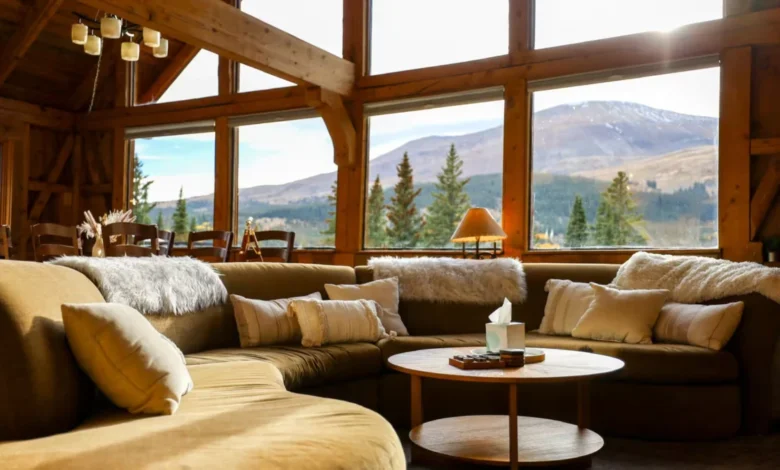
Colorado continues to solidify its position as one of the premier year-round travel destinations in the United States, drawing millions of domestic and international visitors to its diverse topography, vibrant urban centers, and renowned outdoor recreation areas. Recent tourism data indicates that the state’s hospitality and short-term rental sectors have experienced sustained growth, driven by a surge in demand for experiential travel, remote work-friendly accommodations, and secluded nature escapes. From the glitzy alpine enclave of Aspen to the burgeoning culinary and cultural landscape of Denver, travelers are increasingly looking beyond traditional hotel rooms in favor of unique, design-forward residential properties that offer immersion in local communities and pristine wilderness alike.
The Evolution of Colorado’s Short-Term Rental Market
The boom in Colorado’s vacation rental market is underpinned by the state’s extraordinary natural assets. Boasting four distinct national parks—Rocky Mountain, Mesa Verde, Great Sand Dunes, and Black Canyon of the Gunnison—alongside millions of acres of national forest and public lands, the state appeals to outdoor enthusiasts across all four seasons. In the winter months, world-class ski resorts such as Vail, Breckenridge, Telluride, and Steamboat Springs attract snowsports enthusiasts from around the globe, creating high demand for cozy mountain cabins equipped with wood-burning fireplaces, hot tubs, and direct ski-in/ski-out access.
Conversely, the warmer months transition the landscape into a haven for hikers, mountain bikers, rock climbers, and fly-fishermen. This seasonal versatility has prompted property owners and real estate investors to curate exceptional short-term rentals that cater to various traveler demographics, ranging from solo adventurers and romantic couples to large multi-generational family reunions and corporate retreat groups. According to regional tourism boards, the shift toward alternative accommodations has significantly diversified the geographic spread of tourism spending, steering visitors into smaller historic mountain towns and agricultural valleys that historically saw lower tourist density.
Curating the Ideal Stay: Methodology and Selection Criteria
Navigating the vast inventory of vacation rentals across the Centennial State requires a discerning eye. To assist travelers in planning their itineraries, industry experts and travel editors evaluate properties based on rigorous benchmarks, including Airbnb Superhost or Guest Favorite designations, exceptional cleanliness ratings, architectural and interior design merit, proximity to major attractions, and consistently stellar guest reviews.
The selected properties span a diverse spectrum of styles and settings. In the high-altitude mountain corridors, rustic-luxury cabins merge rugged timber framing with modern amenities, offering front-row seats to alpine vistas and abundant wildlife. Meanwhile, urban properties in cities like Denver, Boulder, and Colorado Springs showcase contemporary industrial loft designs, mid-century modern aesthetics, and walkable locations near burgeoning restaurant rows, craft breweries, and cultural institutions.
Economic and Community Implications of the Vacation Rental Boom
While the expansion of platforms like Airbnb has enriched consumer choice and injected capital into local economies, it has also sparked nuanced discussions among urban planners, local government officials, and community stakeholders. In mountain resort towns where housing inventory is historically constrained, municipal authorities have implemented various regulatory frameworks—ranging from strict licensing caps and transient occupancy taxes to zoning restrictions—to balance the economic benefits of tourism with the housing needs of local resident workforces.
Industry representatives and hospitality analysts emphasize that responsible short-term rental management is critical to the long-term sustainability of Colorado’s tourism ecosystem. Many property owners and management companies now partner with local businesses, source interior furnishings from regional artisans, and incorporate eco-friendly practices—such as renewable energy adoption, comprehensive recycling programs, and wildlife-safe waste management—to mitigate their environmental footprint.
Travel Planning and Seasonal Considerations for Visitors
For travelers plotting an upcoming escape to Colorado, timing and location remain paramount. Winter itineraries demand careful consideration of mountain driving conditions, vehicle traction laws, and proximity to ski lifts, making properties with secure parking and all-wheel-drive accessibility essential. Spring and autumn shoulder seasons offer a quieter, more reflective experience, ideal for leaf-peeping excursions through the changing aspen groves or exploring urban museum districts without peak-season crowds. Summer travel, characterized by wildflower blooms and alpine hiking, requires early booking windows, particularly for high-demand destinations within national park perimeters.
As Colorado’s tourism sector continues to evolve, the demand for distinctive, high-quality residential accommodations remains unabated. Whether seeking a secluded wilderness sanctuary high in the Rocky Mountains or a stylish architectural apartment in the heart of the Mile High City, travelers have an unprecedented array of options designed to elevate their exploration of the American West.
Related posts: