Music Fans and Digital Culture Collide as Midterm Election Results Ignite Viral Memes Across Social Media Platforms

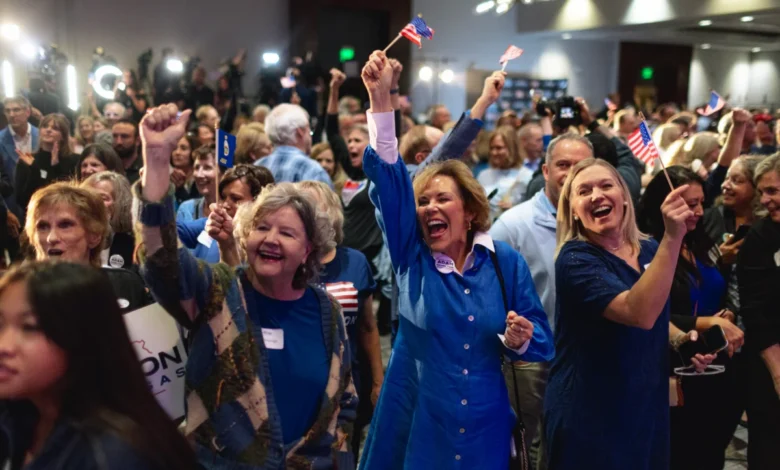
The aftermath of the midterm elections has fundamentally transformed the digital landscape, with internet users and music communities in particular leveraging humor, pop culture references, and viral commentary to process a historic political shift. Following a legislative cycle defined by a significant Democratic surge—often characterized by political analysts as a blue wave—the Democratic Party secured victories across multiple state legislatures and achieved total control of Congress. Concurrently, a diverse array of first-time candidates from various minority demographics secured positions in milestone electoral outcomes. As election results solidified, social media platforms, most notably X (formerly Twitter), experienced an unprecedented resurgence in comedic output, with music fandoms driving much of the cultural conversation.
Political Shifts and the Rise of Digital Fandom Commentary
The intersection of electoral politics and popular music is not a novel phenomenon, but the 2026 midterm results catalyzed a distinct wave of digital expression. Timelines across X and Instagram became saturated with celebratory memes, satirical policy proposals, and musical associations tied to the political landscape. Digital communities engaged in speculative humor regarding potential official soundtracks for the political shift, suggesting everything from unconventional state anthems to the complete replacement of the national anthem.
Among the viral commentary, users humorously proposed substituting traditional patriotic compositions with tracks from contemporary artists. Mentions ranged from electronic remixes, such as Flume’s interpretation of Disclosure’s You & Me, to Tinashe’s single Melatonin. Another prominent meme involved internet users jokingly suggesting that the Hamilton original cast recording be forcibly downloaded to all national mobile devices—echoing Apple’s infamous 2014 marketing campaign that automatically delivered U2’s Songs of Innocence to millions of iTunes accounts. Alternative suggestions included commissioning Lin-Manuel Miranda to compose an entirely new national anthem should the satirical proposals fail to materialize.
Artist Engagement and Public Reactions
Prominent musicians quickly integrated themselves into the digital discourse, utilizing their platforms to react to the electoral outcomes. Halsey embraced the thematic color palette of the election results on Instagram, referencing lyrics from their 2015 single Colors alongside the declaration that everything was blue. The post notably tagged a wide array of public figures and institutional accounts, including Nicki Minaj, political figures such as JD Vance, the official Republican Party account, and Immigration and Customs Enforcement (ICE).
Beyond the initial wave of digital humor, Halsey addressed the broader implications of the election results in a more measured statement. Acknowledging the historic nature of the political outcomes, the singer emphasized the coexistence of hope and the extensive labor required ahead. They expressed gratitude to the active electorate and underscored the importance of unity in navigating the long political road ahead.
The intersection of music fandom and political alignment also prompted direct engagement from artists such as Tinashe. Following her vocal support for Democratic candidates and her public encouragement for politically divergent fans to exit her fanbase, the singer faced pushback from users questioning the commercial wisdom of alienating a portion of her audience. Tinashe responded unequivocally, reinforcing her stance and drawing widespread support from her core demographic, which further galvanized the online celebrations surrounding the election results.
Meme Culture, Nostalgia, and Retrospective Humor
As the digital ecosystem processed the election returns, internet culture relied heavily on nostalgia and established viral moments to contextualize the mood. Users exhumed classic pop culture artifacts, such as Fergie’s morning television performance of Barracuda on the Today Show in 2008, framing the chaotic choreography as a fitting visual metaphor for the unexpected momentum of the political cycle.
Even artists who have experienced recent public scrutiny found themselves unexpectedly woven into the post-election narrative. Lizzo, who has navigated complex public relations landscapes and industry shifts, became the subject of backhanded compliments on X regarding the renewed appeal of her catalog in light of the celebratory national mood. The artist responded with self-awareness, utilizing meme formats to acknowledge the ironic public sentiment.
Conversely, cultural figures associated with past controversies faced continued digital ostracization. Country artist Morgan Wallen, whose career has been impacted by documented behavioral incidents and subsequent industry fallout, became the punchline for viral warnings regarding musical consumption. X users jokingly threatened extreme penalties for individuals whose year-end streaming summaries featured the artist, illustrating how political and social alignments continue to influence digital policing within fan spaces.
Broader Implications for Digital Discourse and Civic Engagement
The fusion of music fandom and political commentary highlights a broader evolution in how contemporary civic participation is expressed among younger demographics. Platforms like X and Instagram serve as primary arenas where political events are filtered through the lens of internet humor, meme culture, and pop music fandoms. While critics often dismiss social media discourse as superficial or performative, sociologists and digital media analysts note that these platforms play a crucial role in lowering the barrier to entry for political engagement, mobilizing communities, and fostering collective solidarity during significant national moments.
The sheer volume of engagement following the midterm results demonstrates the enduring power of shared cultural reference points in bridging the gap between civic duty and digital entertainment. As political institutions adapt to a newly configured Congress and executive landscape, the digital communities that documented the transition with ironic anthems, viral videos, and pop culture satire will likely continue to use humor as both a coping mechanism and a form of cultural commentary. Whether these digital trends signal a lasting shift in political communication or merely reflect a fleeting moment of internet levity remains to be seen, but the symbiosis between music fandom and political discourse has firmly established its presence in the modern public square.