Stepping into the Past: Inside the Historic Preservation of the Betsy Ross House and Its Living History Initiative

The preservation of American historical landmarks relies heavily on the meticulous recreation of 18th-century life, a process exemplified by the ongoing educational programming at the Betsy Ross House in Philadelphia. Located at 239 Arch Street, the historic site serves as a vital touchstone for early American history, bridging the gap between textbook accounts and tangible heritage. Through strategic partnerships, such as a recent collaboration with real estate brokerage Redfin to offer free public admission on November 7, historical sites continue to find innovative ways to engage the public with the nation’s foundational narratives.
Main Facts of the Living History Program
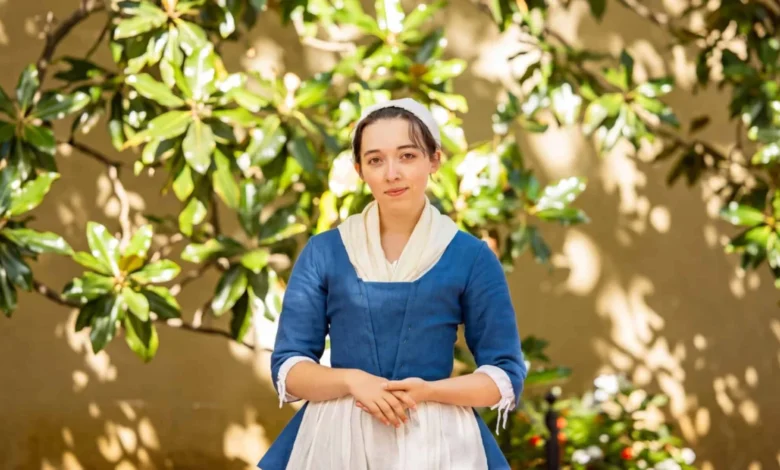
At the core of the Betsy Ross House’s visitor experience is its "History Makers" program, managed by Historic Philadelphia. This initiative employs costumed interpreters who portray historical figures to educate the public through first-person narration. Madeline Burk, a primary interpreter for the Betsy Ross persona, illustrates the rigorous standards required to maintain historical fidelity within the museum space.
The selection and training process for interpreters goes far beyond basic theatrical performance. Candidates must demonstrate deep familiarity with period-appropriate history, possess strong memorization capabilities, and undergo practical skill assessments—including traditional sewing examinations. For interpreters, embodying an 18th-century icon involves profound physical and mental adjustments, from donning period-accurate corsetry and caps to adopting the speech patterns, posture, and social etiquette of the revolutionary era.
Chronology and Historical Context of 239 Arch Street
The Betsy Ross House and the legacy of its most famous resident are deeply intertwined with the turbulent timeline of the American Revolution. Elizabeth Griscom Ross Ashburn Claypoole—commonly known as Betsy Ross—was born in January 1752 and lived through one of the most transformative eras in Western history.
Key chronological milestones defining her life and the property include:
- 1773: Betsy elopes with John Ross, an Anglican upholsterer, at a tavern in New Jersey, resulting in her being disowned by her Quaker community due to religious intermarriage.
- 1776: According to historical tradition, George Washington, Robert Morris, and George Ross visit Betsy Ross to commission the first American flag, though definitive documentary evidence remains a subject of historical debate.
- Late 18th to Early 19th Century: Ross continues her upholstery and flag-making business independently through multiple marriages and periods of economic shifting, operating entirely as a renter rather than a property owner.
- Modern Era: The building at 239 Arch Street is preserved and established as a public museum, welcoming generations of school children and history enthusiasts to explore early American domestic and commercial life.
Supporting Data and Artisanal Craftsmanship
Beyond public storytelling, the Historic Philadelphia interpreters engage in extensive historical restoration and craftsmanship within the site’s working upholstery shop. This hands-on preservation provides valuable data on 18th-century manufacturing techniques. Artisans produce authentic replicas—ranging from horsehair-stuffed mattresses and cotton chintz bed curtains for dollhouse displays to camp bed curtains for institutions like Fort Ticonderoga—utilizing traditional stitching methods such as running stitches for felled seams.
This dedication to authentic craftsmanship serves a dual purpose: it populates museum exhibits with historically accurate material culture and equips modern educators with tangible skills regarding period textiles, furniture repair, and garment construction.
Official Responses and Institutional Perspectives
Cultural preservationists and corporate sponsors emphasize the critical importance of keeping historical sites accessible to the broader public. Initiatives like Redfin’s sponsorship of free admission days remove economic barriers to historical education, allowing a wider demographic of families and students to experience living history firsthand.
According to program participants, managing visitor interactions requires balancing strict historical adherence with approachable public engagement. When faced with modern inquiries or lighthearted attempts to break character, interpreters rely on comprehensive training to respond from the perspective of an 18th-century artisan, maintaining educational integrity while fostering an engaging environment. Furthermore, acknowledging the historical limits of an individual’s knowledge—such as an 18th-century upholsterer lacking expertise in contemporary maritime or specialized trades—reinforces authentic historical context.
Broader Impact and Implications for Digital-Age Education
In an era dominated by rapid technological advancement, artificial intelligence, and digital media, experts argue that physical historic sites play an indispensable role in society. The preservation of historical spaces emphasizes foundational human experiences—such as art, literature, interpersonal connection, and physical craftsmanship—that digital simulations cannot fully replicate.
Analyzing the broader implications of living history programs reveals a recurring pattern: human societies frequently encounter societal shifts that mirror past challenges. By examining how historical figures navigated personal adversity, economic hardship, and political upheaval, contemporary visitors gain perspective on modern socio-economic developments. Ultimately, the ongoing preservation of landmarks like the Betsy Ross House ensures that the complexities of early American life remain accessible, educational, and relevant for future generations.
Related posts: