As BTS’ ARIRANG Tour Heads to Brazil, Live Nation Faces Probe Over South America Stage Changes

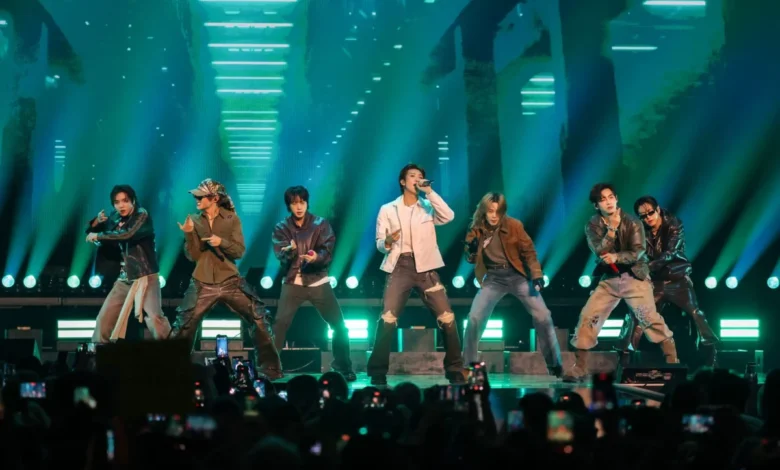
The National Consumer Secretariat, known as Senacon, formally initiated an inquiry into the operational practices of Live Nation Brasil and Ticketmaster Brasil as frustration mounted among the global fanbase, collectively known as ARMY. The controversy centers on the significant reduction of stage screens for the South American portion of the tour, which is currently scheduled to conclude its regional circuit at the Estádio do MorumBIS in São Paulo. Fans are questioning why the production quality, specifically the visual infrastructure, differs so drastically from the tour’s previous legs in North America, Europe, and Asia.
The Scope of the ARIRANG World Tour
The ARIRANG tour, which serves as a massive cultural and commercial milestone for the seven-member South Korean phenomenon, has been a financial juggernaut since its inception in April 2026. According to industry tracking data, the tour has already surpassed $500 million in gross revenue, underscoring its status as one of the most successful concert series of the decade. Following the completion of the South American dates—which have already spanned Colombia, Peru, Chile, and Argentina—the production is slated to move into the Asian market, with a schedule currently extending through 2027.
The high stakes of the tour have placed immense pressure on organizers to deliver a consistent experience across diverse geographic markets. However, the disparity in stage design has become a flashpoint for consumer advocacy groups in Brazil. Fans have reported that while the North American and European legs of the tour utilized 12 large-scale LED screens, the South American setup has been limited to four. For a stadium-sized venue like the Estádio do MorumBIS, this reduction has led to allegations of poor visibility for those in the back sections of the venue.
Chronology of the Dispute
The tension between the concert organizers and the fan base reached a breaking point in late October 2026. The timeline of the escalation is as follows:

- April 2026: The ARIRANG tour kicks off, establishing a high-end production standard that includes 12-screen configurations designed for immersive, 360-degree viewing.
- Early October 2026: As the tour reaches Colombia and Peru, initial concerns begin to surface on social media regarding the reduced visual equipment in Latin American venues.
- October 22, 2026: Following a surge in formal complaints from ARMY members, Brazil’s Senacon officially opens an inquiry into Live Nation Brasil and Ticketmaster Brasil, demanding a formal explanation regarding the discrepancies.
- October 23, 2026: National Consumer Secretary Ricardo Morishita issues a public statement emphasizing the legal requirements for transparency and accurate advertising in the entertainment industry.
- October 26, 2026: Live Nation Brasil issues a formal response, attributing the production changes to "logistical and scheduling constraints."
- October 28–31, 2026: The tour is scheduled to perform its final South American shows in São Paulo, serving as the immediate backdrop for the ongoing regulatory review.
Legal and Regulatory Implications
The intervention by Senacon underscores the growing regulatory scrutiny facing global concert promoters in South America. Under Brazilian consumer protection laws, service providers are legally obligated to provide clear and accurate information regarding the nature of the service being purchased. If the stage setup significantly deviates from the representations made during the initial ticket sales period, organizers could face sanctions or demands for partial refunds.
"The problem lies in the way tickets are being sold and the information being provided about the stage setup," stated Ricardo Morishita. "We know that consumer law guarantees both transparency and accurate, clear information. If the consumer buys a ticket under the impression of a certain production scale, and the final output is substantially diminished without prior warning or price adjustments, that creates a potential breach of trust and contractual obligations."
The agency is specifically investigating whether the current configuration creates unreasonable visibility issues for audience members, as well as whether the technical downgrade was clearly communicated to ticket holders before they committed to their purchases in April 2026.
The Promoter’s Position and Logistical Reality
Live Nation Brasil has firmly defended its position, stating that the event, as it stands in São Paulo, remains compliant with the materials provided to the public at the start of the tour. In a statement released in Portuguese, the company clarified that the current configuration is "exactly as shown on the official event map published when ticket sales opened in April 2026."
Addressing the technical concerns, the promoter noted, "The setup includes a video system with four LED screens integrated into the central tower, facing all sides of the stadium for a 360-degree experience. This production differs from other regions due to logistical and scheduling constraints, which were essential to bring the tour to as many fans as possible across the region."

Industry analysts suggest that the logistical challenges cited by Live Nation are likely related to the complex transit requirements of moving massive, high-tech stage components across long distances in a short timeframe. The size and complexity of the ARIRANG production, which requires specialized transport and local infrastructure support, often force promoters to make "regional adjustments" to maintain the tour’s schedule. However, for the fans, the trade-off between venue accessibility and production quality remains a point of contention.
Broader Economic Context for HYBE and Live Nation
The success of the ARIRANG tour is a primary driver of the record-high revenues reported by HYBE, the parent company of the labels representing BTS. The synergy between the group’s comeback album and the massive global tour has solidified HYBE’s financial dominance in the K-pop industry. As the company continues to expand its reach, the scrutiny over concert production quality serves as a reminder of the challenges inherent in scaling high-concept performances for diverse international markets.
Live Nation, which has secured a long-term booking agreement with MorumBIS Stadium—owned by São Paulo FC—through 2031, has made Latin America a cornerstone of its growth strategy. The company has invested heavily in infrastructure and local partnerships to cement its presence in the region. Consequently, the resolution of this inquiry is not only important for the current tour but also serves as a precedent for how large-scale international tours will be managed and regulated in Brazil in the coming years.
Conclusion and Future Outlook
As of late October 2026, representatives for HYBE had not provided a formal comment regarding the situation. The immediate focus remains on the upcoming performances at the Estádio do MorumBIS. For the thousands of fans attending, the focus has shifted from mere anticipation to a heightened awareness of their rights as consumers.
The outcome of the Senacon inquiry will likely influence future ticket sales for major international acts in Brazil. If the agency finds that consumers were misled, it may mandate stricter disclosure requirements for all future stadium tours, ensuring that visual and technical production specifications are transparently disclosed at the point of sale. For now, the ARIRANG tour proceeds, representing both the pinnacle of modern music consumption and the complexities of delivering that experience on a global, logistical scale. The industry will be watching closely to see if this incident results in a new standard for transparency in the world of high-grossing, international concert production.