Beyond the Peaks: How Holmen Lofoten and the Kitchen on the Edge Are Redefining Arctic Culinary Tourism

The Remote Allure of Norway’s Northern Archipelago

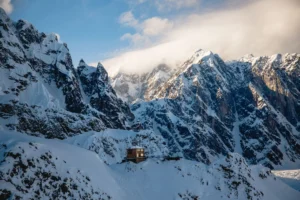
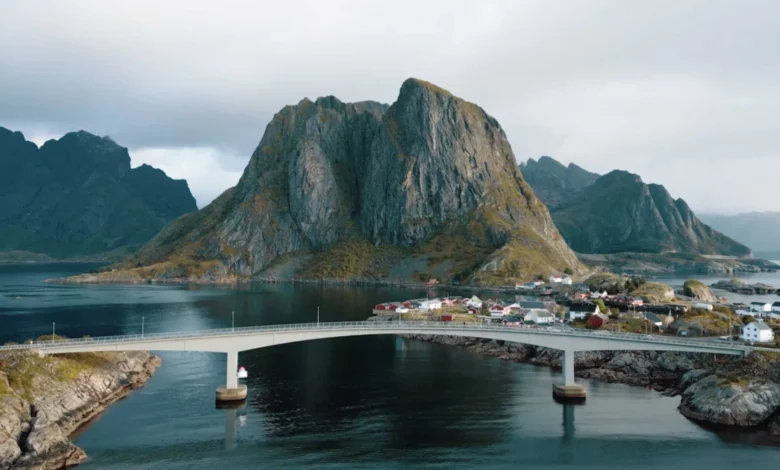
Nearly 2,000 feet above sea level on a multi-edged mountain face in Northern Norway, hikers face conditions that lay bare the raw, untamed nature of the Arctic. Situated 68 degrees north of the Arctic Circle, the Lofoten Islands archipelago is defined by dramatic landscapes where spiky, Jurassic-era mountains rise steeply from the Norwegian Sea and white-sand beaches are hemmed in by deep fjords. For decades, the region has drawn nearly a million annual visitors, primarily during the summer months when endless daylight attracts campers, climbers, and outdoor enthusiasts.
However, as late September arrives, marking the transition out of the peak summer season, a different narrative unfolds across the islands—one centered not on the alpine summits, but on local foodways, sustainable agriculture, and regenerative tourism. At the southwestern tip of the archipelago in the wind-swept village of Sørvågen, a cluster of traditional mustard-colored fishing cabins known as rorbuer has become the epicenter of this shift. Originally built as a cod factory, these structures now house Holmen Lofoten, a boutique hotel and culinary destination that has operated since 2007 under the stewardship of Ingunn Rasmussen and her son, Håvar Holmen.

The Evolution and Logistics of Holmen Lofoten
The history of Holmen Lofoten is deeply tied to the maritime heritage of the region. Ingunn Rasmussen, a fisherman’s daughter who grew up on the site, returned to the archipelago in October 2001 after years abroad, determined to restore the historical property. The restoration focused on preserving original architectural details—including corrugated roofs, grass insulation, and timber walkways—while integrating modern, minimalist interiors designed to keep the focus outward on the wild ocean and craggy shoreline.

Today, the property operates as a physical and cultural hub, balancing high-end hospitality with environmental stewardship. It is the permanent home of "Kitchen on the Edge of the World," a periodic culinary event launched in 2018. Held four times a year, the program invites internationally acclaimed chefs to the Arctic to collaborate with local producers, foragers, and regional culinary talent. The 30th edition of the event, hosted in late September, was helmed by California-born, Copenhagen-based chef Matt Orlando, formerly of high-profile kitchens such as The Fat Duck and Per Se, alongside resident mixologist Mia Hjorth Hansen and a diverse international kitchen brigade.
Chronology of a Culinary Gathering: The Four-Day Experience

The multi-day Kitchen on the Edge program follows a structured yet immersive itinerary designed to break down conventional barriers between guests, chefs, and the surrounding environment.
On the opening evening, guests gather in the communal living space above the main kitchen for a reception featuring local canapés and cocktails infused with foraged regional flora, such as blackcurrant leaves and yarrow flowers. This initial icebreaker deliberately establishes a casual, intimate atmosphere among a diverse international cohort of travelers, which has previously included geologists, remote-adventure seekers, and culinary tourists from across the globe.

Subsequent days blend outdoor exploration with hands-on kitchen access. Guests are invited to participate directly in foraging excursions across the local hillsides, gathering subarctic ingredients like sheep sorrel, chickweed, and wild berries alongside visiting chefs. These foraged elements are immediately integrated into live-fire cooking demonstrations utilizing traditional wood-fired ovens and heavy-duty smoke techniques.
The dining schedule centers on communal, family-style evening meals served over several courses. Menus highlight regional staples such as sustainably farmed reindeer from Sami herders, local Lofotlam (protected geographical indication lamb), and zero-waste innovations like fishbone noodles—created by pressure-cooking and emulsifying collagen-rich fish bones to achieve a smooth, elastic texture. Meals are paired with bespoke tableware crafted by local ceramicists, such as Gunvor Tangrand, whose designs incorporate recycled fishing yarn into organic porcelain forms.

Sourcing, Sustainability, and the Broader Local Economy
The operational philosophy of Holmen Lofoten is explicitly tied to local supply chains and environmental accountability. In a region historically dependent on the seasonal migration of skrei (Arctic cod) and the associated production of tørrfisk (wind-dried stockfish), modern climate pressures and fluctuating marine ecosystems have necessitated economic and agricultural diversification.

To support this transition, Holmen collaborates closely with regional agricultural networks, such as Love Food, an organization dedicated to linking small-scale producers with restaurants. This network encompasses artisanal cheesemakers, root vegetable growers, and sustainable seaweed harvesters. Among them is the women-led Lofoten Seaweed Company, based in the nearby village of Napp, which hand-harvests sugar kelp and nori from strong tidal currents to supply both high-end kitchens and local retail markets.
According to food systems specialists working in the region, promoting hyper-local, sustainable food production serves a dual purpose: it maintains ecological balance and ensures long-term economic viability for residents who choose to remain on the land and by the sea. By directing consumer demand toward low-impact resources like lamb, seaweed, and root crops, the hospitality sector helps reinforce traditional livelihoods against the backdrop of shifting global markets.

Socio-Economic Implications of Tourism Growth in Northern Norway
The expansion of culinary tourism arrives at a critical juncture for Northern Norway. Data indicates that inbound visitor growth in the region has outpaced the national average, bringing economic benefits alongside familiar infrastructural and environmental tensions.

The influx of visitors has intensified debates regarding land use, particularly concerning unregulated mountain climbing and wild camping. In response to trail erosion and overexposure on social media platforms, local authorities and guides have increasingly restricted public route-sharing to protect vulnerable ecosystems and mitigate safety risks for underprepared travelers. Furthermore, national regulations restricting wild camping in favor of designated campgrounds reflect a broader effort to manage the carrying capacity of the landscape.
Industry analysts suggest that shifting promotional efforts away from mass outdoor recreation and toward specialized sectors—such as agritourism and heritage-based culinary travel—offers a viable pathway toward sustainable destination management. By educating visitors on the intricate relationship between the local food supply and the natural environment, properties like Holmen Lofoten aim to foster a more respectful, conservation-minded traveler demographic.

Conclusion: A Model for Regenerative Hospitality
As the four-day culinary event concludes, the underlying ethos of Holmen Lofoten remains clear: true luxury in the Arctic is derived from self-sufficiency, ecological awareness, and deep community integration. By dismantling the traditional separation between diner and kitchen, and by anchoring every menu in the immediate landscape, the initiative presents a functional model for how remote regions can navigate the complexities of modern tourism.

Through the lens of food and land stewardship, visitors leave with more than a transient impression of a scenic destination; they gain a functional understanding of the fragile, resilient ecosystems that sustain human life at the edge of the world.