How to Score a $20 Digital Costco Shop Card with a New Gold Star Membership Through StackSocial

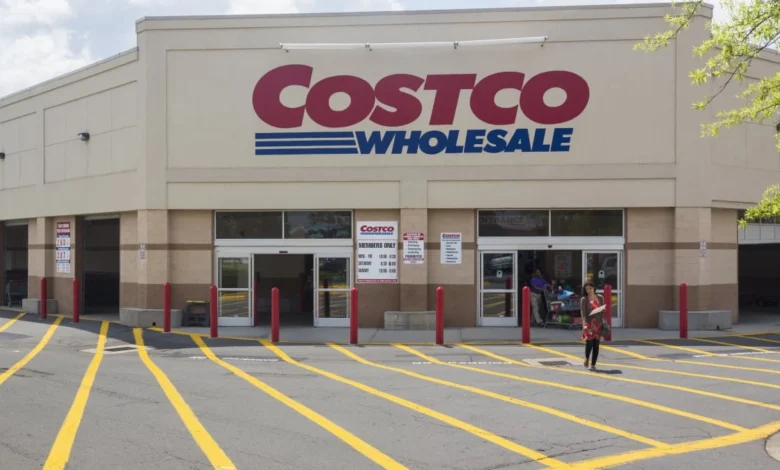
For consumers navigating an era of persistent inflation and rising household expenses, finding strategic ways to stretch every dollar has become a weekly ritual. Among the most popular defensive strategies for modern shoppers is bulk purchasing, a retail model that has fueled the explosive growth of membership-only warehouse clubs. For those who have been on the fence about joining the club, a new promotional partnership between StackSocial and the retail giant Costco offers a compelling financial incentive to take the plunge. New members who sign up for a one-year Costco Gold Star Membership and enroll in automatic renewal can secure a $20 Digital Costco Shop Card, effectively lowering the barrier to entry for the popular wholesale retailer.
This targeted promotion arrives at a time when consumer reliance on warehouse clubs is at an all-time high. As households search for relief at the grocery checkout line and the gas pump, membership-driven retail models continue to demonstrate resilience. By analyzing the mechanics of this StackSocial offer, the comprehensive benefits of a Gold Star Membership, and the broader economic implications of warehouse club shopping, prospective members can determine whether now is the optimal time to invest in a Costco subscription.
Understanding the StackSocial Costco Promotion
The mechanics of the limited-time promotion are straightforward, yet participants must adhere to specific eligibility guidelines to ensure they receive the incentive. New customers who purchase a one-year Costco Gold Star Membership for $65 through the StackSocial platform and opt into auto-renewal at the time of registration will qualify for a $20 Digital Costco Shop Card.
According to the campaign terms, the digital card is not delivered instantaneously; rather, it is sent via email within two weeks of a successful sign-up and the proper configuration of the auto-renewal feature. This gift card can subsequently be used for in-store purchases across a vast array of goods, ranging from fresh produce and pantry staples to electronics and apparel. However, shoppers should note one notable limitation: the Digital Costco Shop Card cannot be redeemed at the popular Costco Food Court, which operates on separate payment processing guidelines.
Additionally, the promotion is explicitly designed for new members. Individuals who currently hold an active Costco membership, or those whose memberships have expired within a recent timeframe, typically do not qualify for introductory StackSocial incentives, which are meant to expand the retailer’s overall subscriber base rather than subsidize renewals.
The Value Proposition of a Costco Gold Star Membership
Retailing at an annual cost of $65, the Costco Gold Star Membership represents the foundational tier of the company’s consumer subscription model. Designed for individuals and families, the membership grants primary cardholders full access to more than 500 warehouse locations across the United States, as well as international stores.
Beyond admission to the sprawling warehouse floors, a Gold Star Membership includes one free Household Card. This secondary card can be issued to any individual aged 18 or older who resides at the primary member’s residential address, making the annual fee even more cost-effective for couples, roommates, or multi-generational households sharing a single domicile.
The primary draw for most members remains the ability to purchase groceries, household paper products, cleaning supplies, and personal care items in bulk. By buying larger quantities, consumers frequently secure a lower unit price compared to traditional grocery stores. Furthermore, Costco’s private label, Kirkland Signature, has developed a reputation for offering brand-name quality at significantly reduced prices, covering categories from extra virgin olive oil and artisan coffee to athletic apparel and household batteries.
Beyond the Aisle: Fuel, Tires, and Specialized Services
While grocery aisles capture the initial attention of new members, the ancillary services attached to a Costco membership often provide the most tangible long-term savings.
Costco Gas Stations are a staple of the warehouse experience, frequently offering fuel prices that sit well below regional market averages. For commuters and families who log significant mileage, the savings accumulated at the pump can rapidly offset the $65 annual membership fee.
Similarly, the Costco Tire Center offers competitive pricing on major tire brands, coupled with valuable complimentary services such as lifetime rotation, balancing, flat repairs, and air pressure checks for tires purchased through the warehouse. For vehicle owners due for routine maintenance, utilizing the tire center can yield substantial savings over the lifespan of a vehicle.
Moreover, members gain access to a suite of auxiliary services that extend far beyond physical merchandise. These include Costco Travel packages, optical departments with licensed optometrists, hearing aid centers, pharmacy services, and business delivery solutions. When evaluated collectively, these offerings transform the standard warehouse club card into a comprehensive consumer services package.
Chronology of Warehouse Club Growth and Membership Pricing
To fully understand the significance of a $20 promotional incentive, it is helpful to examine the historical context of warehouse club pricing and market dynamics. Costco, which evolved from the Price Club founded in San Diego in 1976, has steadily adjusted its business model to match inflationary pressures while maintaining intense customer loyalty.
For years, the standard Gold Star Membership remained priced at $60 annually—a threshold that held firm for over a decade. However, as operational costs, supply chain complexities, and wage pressures mounted across the retail sector, major warehouse operators faced mounting pressure to adjust their subscription fees. In recent years, industry leaders signaled that periodic membership fee adjustments are a standard mechanism to maintain profit margins and continue investing in warehouse infrastructure, employee wages, and digital capabilities.
Against this backdrop, promotional partnerships with platforms like StackSocial have emerged as an effective marketing tool. Instead of discounting the membership fee outright—a move that can dilute the perceived value of the brand—retailers and third-party vendors utilize gift card incentives. This approach allows new subscribers to offset their out-of-pocket costs while preserving the integrity of the standard membership pricing structure.
Economic Implications and Consumer Spending Trends
The timing of promotional campaigns targeting warehouse club memberships aligns closely with broader macroeconomic trends. In an economic environment marked by lingering inflation, consumer behavior has shifted perceptibly. Shoppers are increasingly consolidating their trips, seeking out value-driven alternatives, and prioritizing utility over impulse purchasing.
Warehouse clubs thrive in these exact economic conditions. By offering goods in bulk quantities, retailers like Costco pass on operational efficiencies to the consumer, reducing packaging overhead and inventory turnover costs. Industry analysts frequently point out that warehouse clubs generate a significant portion of their net income not necessarily from the markup on goods, but from membership fees themselves. This unique business model allows them to price items aggressively, keeping gross margins remarkably thin compared to traditional supermarkets and department stores.
Consequently, initiatives that lower the barrier to entry—such as StackSocial’s $20 digital card offer—serve as a powerful catalyst for consumer acquisition. When a prospective member calculates the net cost of joining ($65 minus the $20 digital card), the effective first-year price drops to $45. For budget-conscious households, this reduced entry point makes experimenting with bulk shopping an economically viable proposition.
Evaluating the Fine Print and Strategic Membership Decisions
Before diving into any promotional sign-up, financial advisors and consumer advocates recommend assessing actual shopping habits to determine whether a warehouse club membership makes financial sense.
Bulk purchasing yields the highest return on investment for larger households, individuals with adequate storage space (such as pantries, basements, or chest freezers), and those who consume specific household staples regularly. Conversely, single-person households or individuals living in urban apartments with limited storage capacity may find that purchasing perishable goods in bulk leads to food waste, which can negate the financial savings achieved through lower unit prices.
Furthermore, members must be mindful of the automatic renewal feature required to trigger the StackSocial promotion. While auto-renewal ensures uninterrupted access to the warehouse and its associated services, consumers should track their subscription anniversary dates to evaluate whether they utilize the membership frequently enough to justify future renewals at the full, non-discounted rate.
Conclusion
The convergence of StackSocial’s promotional offer and Costco’s enduring market presence provides a timely opportunity for consumers looking to optimize their household spending. By combining a $20 Digital Costco Shop Card with the comprehensive benefits of a $65 Gold Star Membership—including bulk grocery access, discounted fuel, and automotive services—new subscribers are equipped with immediate tools to combat rising living costs. As economic pressures continue to shape consumer habits, strategic partnerships of this nature underscore the enduring appeal of the wholesale warehouse model in modern retail.
Related posts: