How ReciBites Plus Solves the Modern Digital Recipe Clutter Dilemma with AI-Driven Meal Planning

In the contemporary culinary landscape, the modern home cook faces a paradox of choice and organization. Across the globe, millions of individuals curate vast digital libraries of recipes, bookmarking videos on TikTok and Instagram, saving instructional posts on Facebook, pinning culinary ideas to Pinterest boards, capturing screenshots of food blogs, and photographing pages from traditional cookbooks or handwritten family recipe cards. Yet, despite this unprecedented access to global gastronomy, a persistent daily query remains largely unresolved: What is for dinner tonight?
The chasm between collecting recipe inspiration and executing a cohesive meal plan has driven a surge in digital kitchen management tools. Addressing this widespread friction point, software developers have introduced sophisticated applications designed to centralize culinary curation. Among these platforms, ReciBites Plus has emerged as a prominent solution, leveraging artificial intelligence to transform fragmented digital scraps into structured, actionable cooking plans. For a limited time, the platform is offering lifetime access for $39.99, a significant reduction from its standard retail value of $360, inviting a fresh evaluation of how technology intersects with domestic routines.
The Anatomy of Modern Recipe Disorganization
To understand the utility of AI-powered recipe management platforms, one must examine the evolution of how recipes have been stored over the past two decades. Historically, culinary instructions resided in physical recipe boxes, dog-eared cookbooks, or clipped magazine pages. While physical storage presented its own organizational challenges—such as lost clippings or physical degradation—it was largely localized.
The advent of social media and ubiquitous mobile photography fundamentally decentralized this process. Today, a single week of meal inspiration might involve a short-form video tutorial on TikTok, a high-resolution photo of a restaurant dish, a screenshot of a blog post containing a lengthy autobiographical preamble, and a PDF downloaded from a specialized culinary website. Consequently, home cooks find their digital lives cluttered across multiple device photo galleries, browser bookmarks, and platform-specific saved folders.
This fragmentation often leads to cognitive fatigue. When mealtime approaches, searching through hundreds of unstructured screenshots or attempting to recall which social media platform hosted a specific pasta recipe discourages home cooking, frequently resulting in reliance on takeout or convenience foods. Industry observers note that the psychological barrier to cooking is rarely the culinary skill required, but rather the administrative overhead of planning, inventory management, and grocery shopping.
The Technological Intervention: AI and Universal Importation
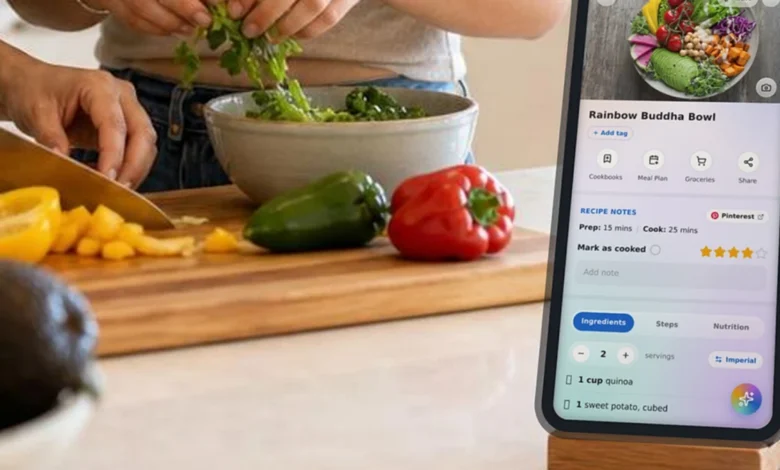
ReciBites Plus addresses the administrative burden of cooking through universal ingestion capabilities and artificial intelligence. The application allows users to import recipes from virtually any digital or physical source. By processing links from major social media platforms—including Instagram, Facebook, TikTok, YouTube, and Pinterest—as well as standard web URLs, the software extracts the core instructional data. Furthermore, optical character recognition (OCR) technology enables users to upload screenshots, digital notes, photographs of cookbook pages, and images of handwritten recipe cards, translating analogue text into searchable digital formats.
Once ingested, the platform employs duplicate detection algorithms to scan the user’s growing library, preventing redundancy and maintaining a streamlined database. This capability is particularly crucial for avid social media users who frequently save similar variations of popular dishes without realizing they already possess a comparable recipe.
Beyond simple storage, the application utilizes artificial intelligence to parse unstructured text into standardized data fields. The AI breaks down each recipe into precise ingredient lists, calculates calorie counts, analyzes macronutrient profiles (proteins, fats, carbohydrates), and identifies key micronutrients. This granular analysis transforms a casual video save into a quantifiable nutritional asset, catering to the growing demographic of consumers who track their dietary intake for health, fitness, or medical reasons.
Customization and Nutritional Adaptability
A frequent limitation of digital recipes is their rigidity. A recipe found online may feature ingredients that conflict with a user’s dietary restrictions, allergies, or macro-nutrient targets. ReciBites Plus attempts to bridge this gap through smart dietary alerts and personalized substitution engines.
The platform’s intelligent filtering system automatically flags recipes that contradict pre-set user preferences, such as gluten intolerance, dairy sensitivities, or ethical dietary frameworks like veganism. More importantly, the system can suggest real-time ingredient swaps to adapt a recipe to specific nutritional goals. For example, if a user aims to increase protein intake or reduce sugar content, the application can recommend alternatives without compromising the structural integrity or flavor profile of the dish.
Furthermore, the platform offers practical tools for execution in the kitchen, including serving size scalers, automated unit measurement converters, and step-by-step interactive cooking modes designed to guide users through the physical preparation process without requiring constant device interaction.
From Meal Planning to Automated Grocery Logistics
The workflow of home cooking extends well beyond the kitchen counter; it begins in the supermarket aisle. Disjointed meal planning frequently results in inefficient grocery shopping, characterized by forgotten ingredients, redundant purchases of items already in the pantry, and excessive food waste.
ReciBites Plus integrates recipe selection directly into weekly meal planning modules. Once a user designates a schedule of meals for the upcoming week, the software automatically generates a consolidated grocery list. This feature aggregates ingredients across multiple recipes, merges duplicate items—calculating exact quantities needed—and categorizes them by supermarket aisle.
By streamlining the transition from recipe selection to inventory management and procurement, the application aims to reduce both the financial cost of grocery shopping and the environmental impact of household food waste. Additional flexibility is provided by the AI Cooking Assistant, a feature designed for scenarios where meal planning has failed and the user is confronted with a collection of miscellaneous refrigerator leftovers. By inputting available ingredients, the AI generates custom recipes utilizing what is already on hand.
Social Integration and Culinary Communities
While many productivity applications emphasize solitary efficiency, ReciBites Plus incorporates a social dimension designed to emulate the traditional sharing of family recipes or cookbook recommendations. The platform permits users to connect with friends and family within the ecosystem, allowing them to view saved recipes, shared cookbooks, and cooking activity within their trusted social circle.
This feature acknowledges that food is inherently communal. By shifting the source of culinary inspiration from anonymous algorithmic feeds to personal networks, the platform aims to foster greater engagement and shared culinary experiences among peers.
Broader Economic and Technological Implications
The emergence of comprehensive AI-driven culinary platforms reflects a broader technological trend: the application of artificial intelligence to mundane, administrative domestic tasks. As consumer software continues to evolve past basic automation into predictive and organizational assistance, tools that reclaim time and reduce cognitive friction in daily routines are experiencing heightened demand.
For the digital consumer, lifetime access models—such as the $39.99 promotional tier offered for ReciBites Plus compared to its standard $360 valuation—represent a shifting pricing strategy among software-as-a-service (SaaS) providers seeking rapid user acquisition in a crowded market. Analysts observe that while subscription models remain dominant, lifetime access promotions serve as powerful catalysts for customer onboarding, particularly for utility-based applications where long-term retention depends on habit formation.
Ultimately, the success of platforms like ReciBites Plus will be measured by their ability to permanently alter domestic behavior—turning the vast digital archive of saved internet culture into tangible, nourishing meals on the evening dinner table.
Related posts: