Home to approximately 3.5 million residents, Madrid stands as the capital of Spain and the country’s largest metropolitan center. As the seat of government and the residence of the Spanish monarchy, the city serves as the nation’s political, economic, and cultural nexus. Despite its sprawling urban layout, Madrid maintains a high density of world-class institutions, historical landmarks, and a distinct social rhythm characterized by a nocturnal culinary and entertainment culture. Attracting over 10 million international and domestic visitors annually, the city has solidified its position as one of Europe’s premier travel destinations, supported by a robust infrastructure and a significant investment in cultural preservation.
The Evolution of the Madrilenian Lifestyle
The social fabric of Madrid is defined by a unique temporal structure. Unlike many Northern European cities, daily life in Madrid is oriented toward late-evening activity. This phenomenon, often attributed to the city’s climate and historical labor patterns, sees dinner service typically commencing after 9:00 PM, with social and cultural engagement extending well into the early hours of the morning. For the visitor, understanding this "slow" pace is essential for accessing the city’s authentic cultural experiences. Economists and urban planners note that this lifestyle contributes to a vibrant service sector, particularly within the hospitality and gastronomy industries, which constitute a primary driver of the local GDP.
Day 1: The Paseo del Prado and Cultural Heritage
The foundational experience of a Madrid visit begins with the "Landscape of Light," a UNESCO World Heritage site designated in 2021. This area, which spans the Paseo del Prado and the Retiro Park, encompasses over 40 historical monuments and architectural sites.
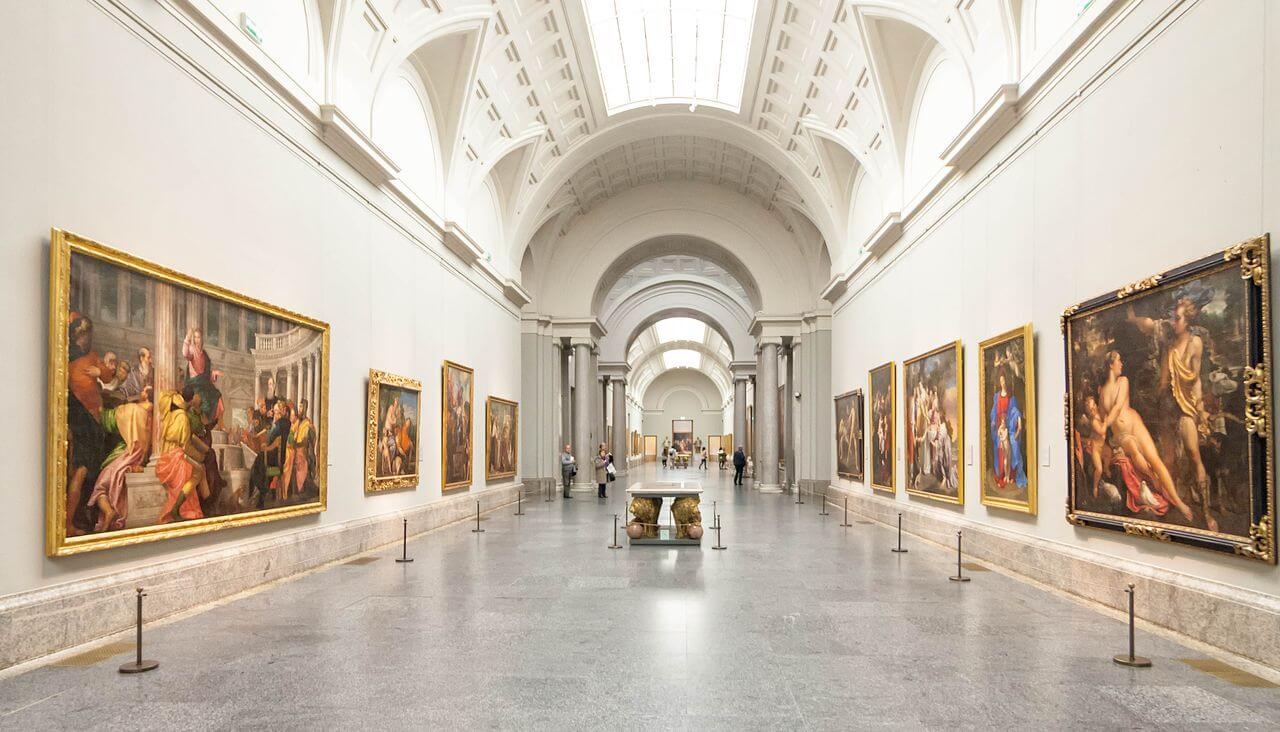
The itinerary centers on the "Golden Triangle of Art," comprising the Prado Museum, the Thyssen-Bornemisza Museum, and the Reina Sofía National Art Center. The Prado Museum serves as the cornerstone, housing an extensive collection of European masters, including Francisco Goya, Diego Velázquez, and El Greco. Data from the Spanish Ministry of Culture indicates that the Prado consistently ranks among the most visited museums globally, with annual attendance figures often exceeding 3 million.
Following the classical focus of the Prado, the Reina Sofía offers a modern contrast, housing Pablo Picasso’s Guernica. The painting, created in 1937, remains a poignant political symbol and a centerpiece of 20th-century art history. Supplementing these major institutions are the city’s specialized "House Museums," such as the Sorolla Museum, which provide a nuanced perspective on the private lives of Spain’s cultural luminaries.
Day 2: Habsburg Madrid and the Royal Legacy
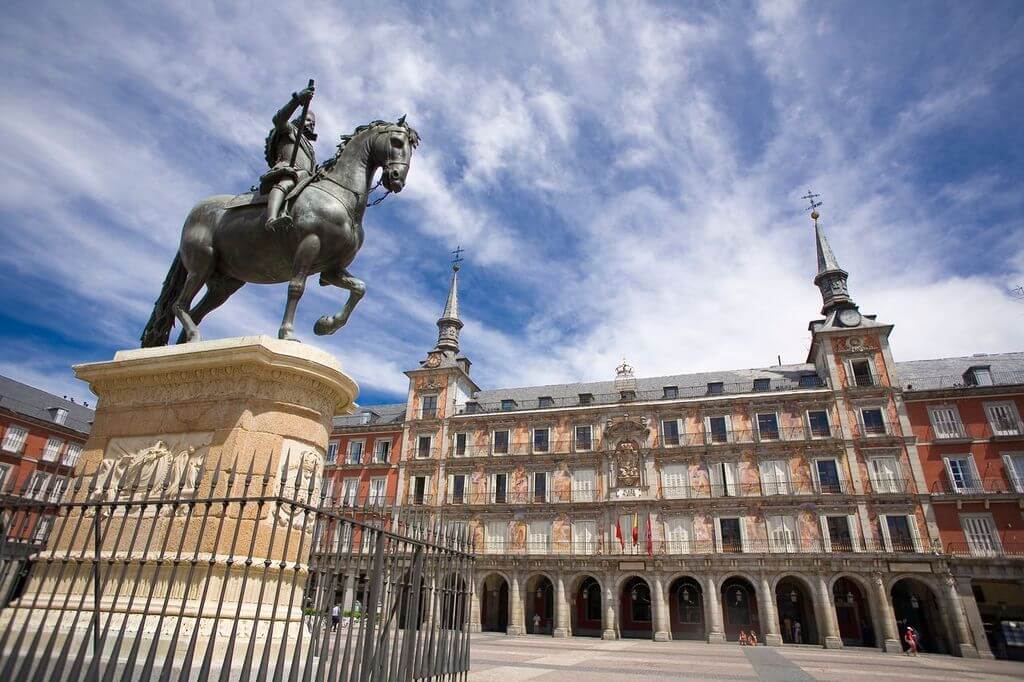
The historical center of Madrid, known as "Madrid de los Austrias," reflects the city’s transformation into a capital under the Habsburg dynasty in the 16th century. The Puerta del Sol serves as the geographic and logistical center of Spain, marked by the Kilometer Zero plaque.
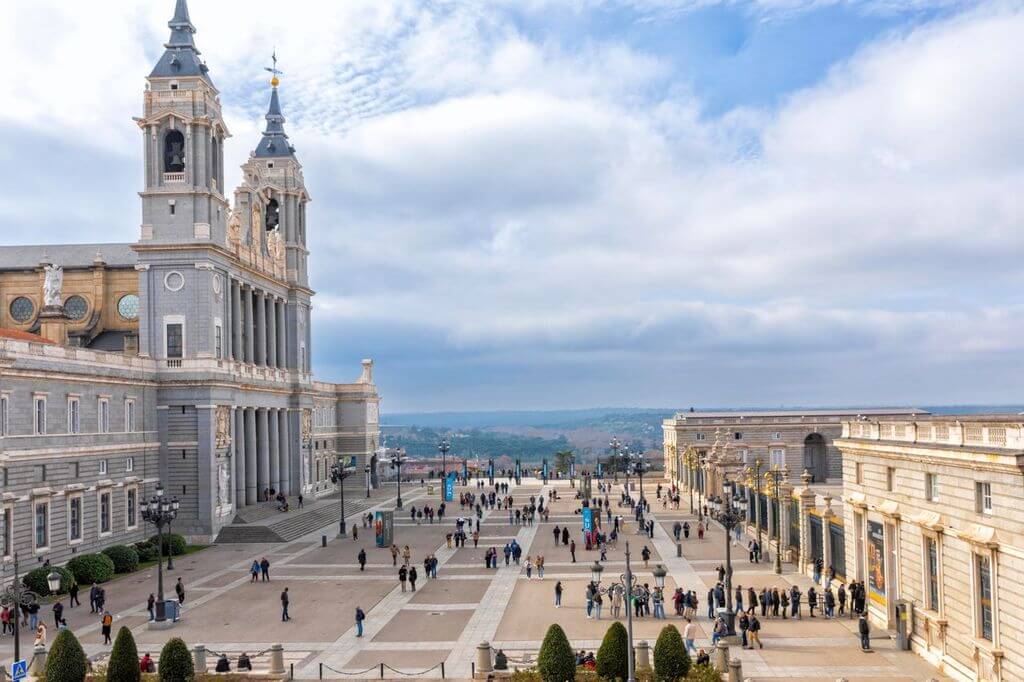
The Plaza Mayor, inaugurated in 1619, remains a vital urban space. Historically, the plaza functioned as a site for public executions, royal coronations, and bullfighting. Today, it serves as an architectural study in Baroque planning. Adjacent to this is the Royal Palace of Madrid, the largest royal residence in Western Europe by floor area. With over 3,400 rooms, the palace is a functional museum of power, housing collections of weaponry, tapestries, and fine art. While no longer the primary residence of the royal family, it remains the site for state ceremonial functions, illustrating the enduring influence of the monarchy in contemporary Spanish society.
Day 3: Gastronomic Identity and Modernity
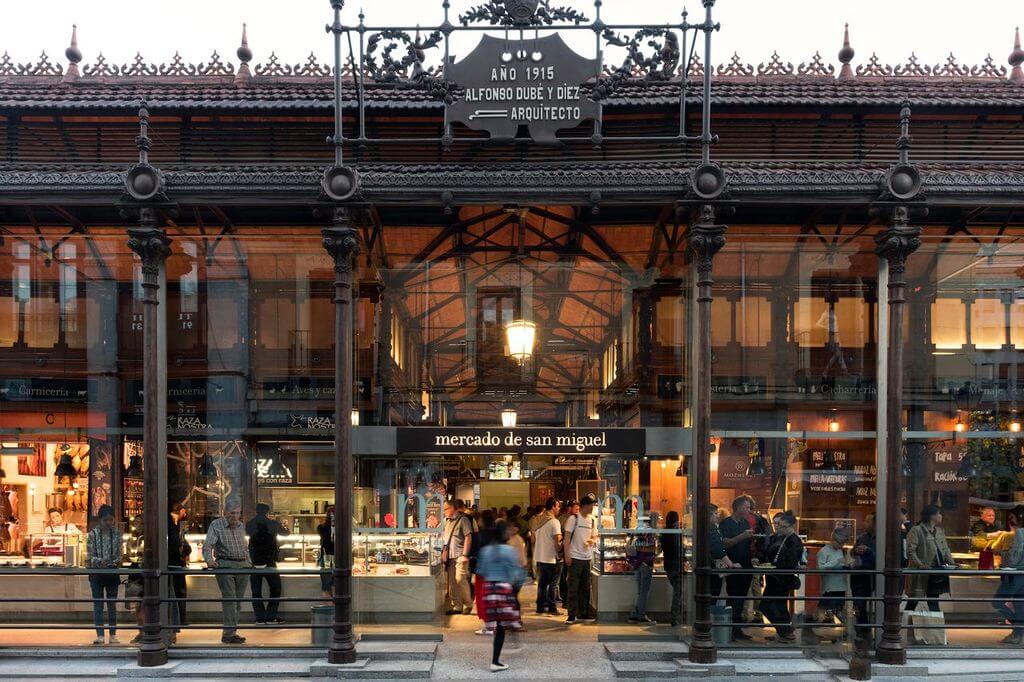
Madrid’s culinary landscape is a blend of traditional tavern culture and high-end modern gastronomy. The city’s markets, such as the Mercado de San Miguel and the Mercado de San Antón, act as critical hubs for the distribution and promotion of regional Spanish products. These spaces have undergone significant modernization in recent years to cater to both local consumption and tourism.
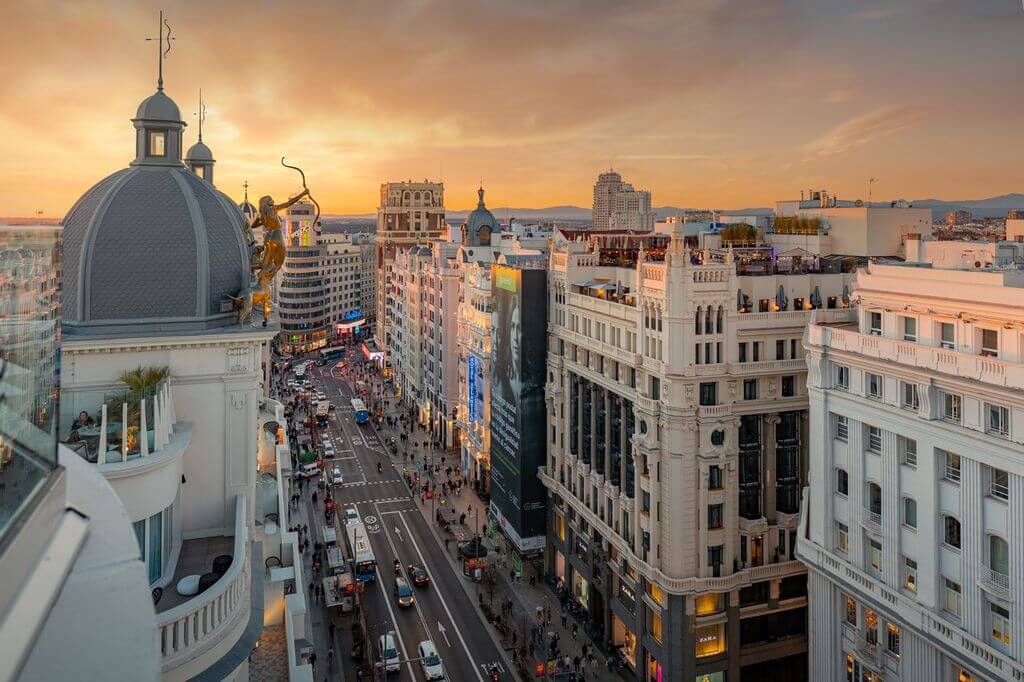
Data suggests that the "tapas" culture—small, shareable plates—is not merely a tourist attraction but a fundamental social lubricant. Furthermore, the rise of vegetarian and vegan dining in neighborhoods like Malasaña reflects a broader shift in European dietary trends, with local restaurateurs increasingly adapting traditional Spanish recipes to meet modern sustainability and health standards. The evening concludes on the Gran Vía, where the city’s "rooftop culture" provides an alternative perspective on the urban skyline, leveraging historical building architecture for commercial hospitality.
Day 4: UNESCO World Heritage and Regional Connectivity
Beyond the city limits, the influence of the Spanish monarchy is evident in the surrounding UNESCO World Heritage sites. The Monastery of San Lorenzo de El Escorial, commissioned by Philip II in the 16th century, serves as a testament to the ideological and religious fervor of the Spanish Golden Age.
Similarly, the Royal Palace of Aranjuez offers insight into the leisure habits of the royal court, featuring elaborate garden layouts that demonstrate early European landscape engineering. For travelers interested in the history of the Spanish language and literature, the city of Alcalá de Henares—birthplace of Miguel de Cervantes—provides a preserved look at the academic and social conditions of the 17th century. These day trips are facilitated by an efficient regional rail network, which is critical for distributing tourism revenue outside the central metropolitan core.
Day 5: Cloistered Art and Urban Green Spaces
The final day of the suggested itinerary explores the monastic history of Madrid through the Monastery of Las Descalzas Reales and the Royal Monastery of La Encarnación. These sites contain extensive private art collections gathered by the nobility and royal families over several centuries. The presence of these institutions within the city center highlights the historical intertwining of religious and royal authority.
The itinerary concludes at Casa de Campo, a 17-square-kilometer public park. Originally a royal hunting ground, the park was opened to the public in 1931. It serves as a vital "green lung" for the city, mitigating the urban heat island effect and providing space for recreational activities. The lakeside vistas offer a clear view of the Royal Palace and the Almudena Cathedral, serving as a symbolic reminder of the city’s historical evolution from a medieval fort to a modern global capital.
Strategic Implications and Travel Logistics
For the prospective traveler, effective planning is necessitated by the city’s size and the volume of visitors. The integration of public transport, including the extensive Metro de Madrid, is essential for navigating these sites efficiently.
Logistically, the use of international flight aggregators like Skyscanner and accommodation platforms like Booking.com is recommended to optimize travel budgets. Furthermore, professional travel advisories consistently emphasize the importance of comprehensive travel insurance, which covers medical emergencies, trip cancellations, and theft—a standard precaution for major metropolitan travel.
In summary, Madrid functions as a multilayered repository of European history, art, and modern social practices. By balancing the observation of major heritage sites with an exploration of local culinary and neighborhood dynamics, visitors can gain a comprehensive understanding of the capital’s role in the broader Mediterranean and European contexts. The city’s resilience, marked by its ability to modernize its infrastructure while maintaining its historical core, ensures its continued status as a primary hub for international cultural exchange.