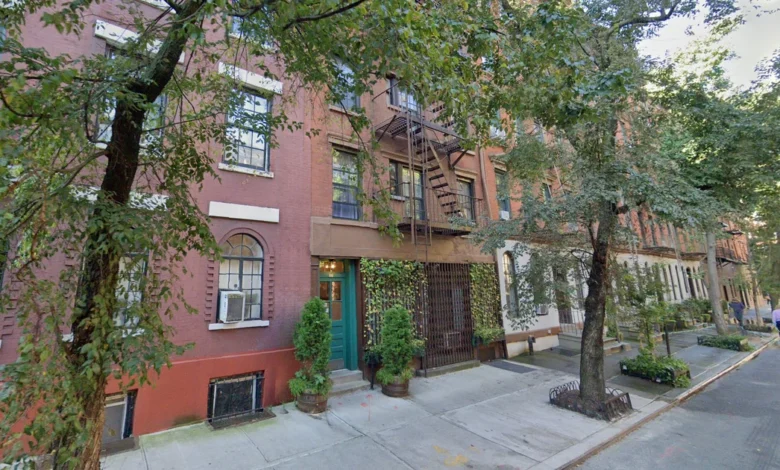
In the rarified and increasingly aggressive landscape of Manhattan’s West Village real estate, a new architectural phenomenon is emerging: the transformation of historic, multi-family tenement buildings into opulent, single-family private mansions. As the inventory of available townhouses dwindles and the appetite for sprawling, trophy properties among the city’s ultra-wealthy remains insatiable, investors and private buyers are turning their sights toward properties once dismissed as too modest or too complex for luxury conversion. The ongoing conversion of 80 Horatio Street, a pre-law, five-story brick building, serves as a definitive case study in this shifting market dynamic.
The Shrinking Supply of Traditional Assets
For the past decade, the West Village has been ground zero for the "Frankenmansion" trend, where high-net-worth individuals purchase multiple contiguous townhouses to merge them into massive, sprawling estates. These assemblages, often spanning 40 feet or more, have exhausted much of the available traditional inventory. Simultaneously, developers have aggressively acquired historic parking garages, carriage houses, and vacant lots to repurpose them into ultra-luxury living spaces.
With stringent landmarking regulations strictly governing facade alterations and building footprints, buyers are finding their options increasingly restricted. This scarcity has pushed the market toward the "tenemansion"—a portmanteau of tenement and mansion—where old-law tenement buildings, characterized by their historical charm but previously overlooked for high-end residential use, are being gutted and reimagined as singular, grand residences.
A Chronology of the 80 Horatio Conversion
The trajectory of 80 Horatio Street illustrates the swift transition from rental income property to private asset. Long considered a quintessential example of the West Village’s working-class history, the property featured a ground-floor retail space and upper-level residential units.
The building’s recent timeline reflects the broader market fervor:
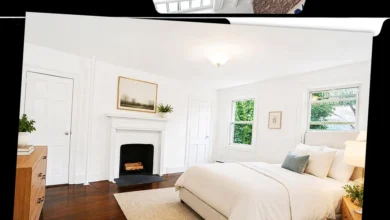
- 2019: The property’s last recorded residential rental listing appeared, showcasing a renovated one-bedroom apartment, signaling the end of its traditional rental era.
- Late 2025: The building was listed as a vacant property, attracting significant interest from investors and private buyers looking to capitalize on its prime location and structural potential.
- October 2025: The sale closed at a price of $10.25 million, as confirmed by city records. The buyer, seeking a primary residence with unique character, opted to bypass the traditional townhouse market in favor of the 25-foot-wide tenement frame.
- Summer 2026: The owner’s development team initiated the approval process with the Landmarks Preservation Commission (LPC). The proposal sparked debate regarding the preservation of the building’s retail character, though the plans for internal conversion proceeded toward final review.
Architectural Challenges and Structural Reimagining
Converting a 19th-century tenement into a modern mansion presents significant engineering and aesthetic hurdles. Unlike traditional townhouses, which often feature deeper footprints and specific historical layouts, tenements were designed for efficiency and high-density occupancy.
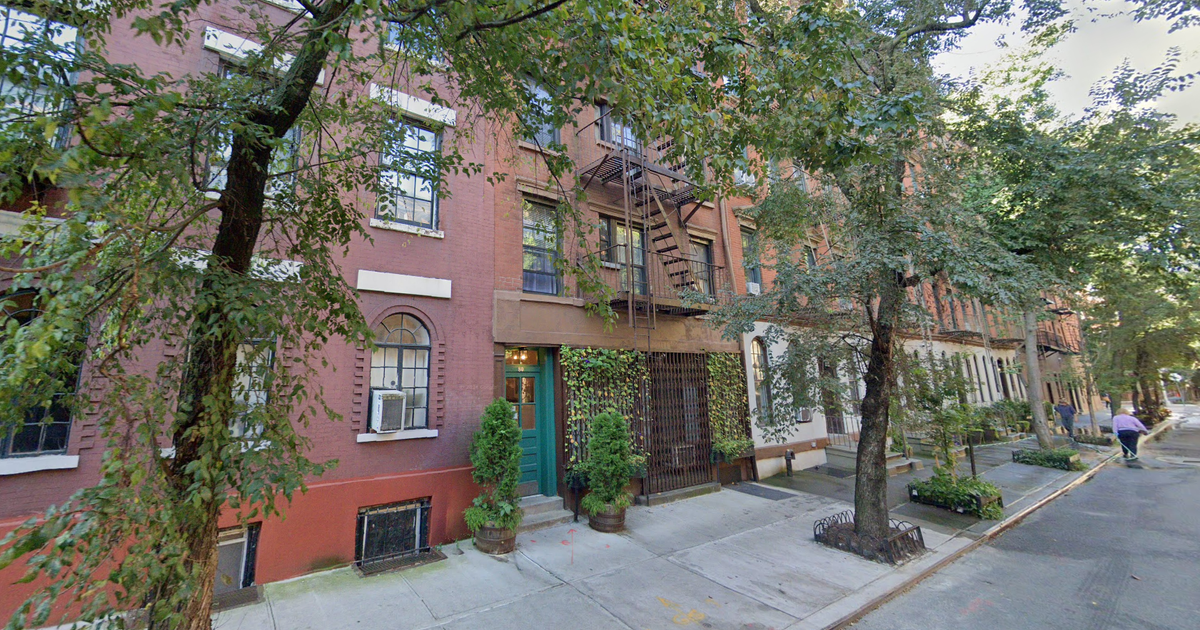
Matthew Lesser, a broker at Leslie J. Garfield who represented the buyer of 80 Horatio, notes that the building’s 25-foot width is a major asset. In a city where the average townhouse measures approximately 18 feet, the additional width provides a luxury of space that is highly coveted by the elite. The building’s depth and its proximity to the gardens of Jane Street townhouses further enhance its value.
However, the exterior presents a stark contrast to the traditional mansion. The building’s fire escapes and utilitarian facade are inherently different from the stone-and-brick elegance of a classic brownstone. Plans filed with the LPC indicate that while the facade will remain largely intact to satisfy preservation requirements, the fire escapes will be removed, and the retail storefront will be eliminated to create a unified, residential aesthetic. The rear of the building, in line with modern luxury trends, will be extensively modified to accommodate floor-to-ceiling glass, facilitating a seamless connection to the rear gardens.
Historical Context and Past Precedents
While the conversion of 80 Horatio is gaining attention, it is not without precedent. The practice of consolidating tenement units for single-family use has occurred sporadically over the last few decades, often accompanied by significant community friction.
A notable, albeit contentious, example occurred in the East Village at 45–47 East 3rd Street. In that instance, the property owner utilized a legal loophole to reclaim rent-stabilized units for personal use, effectively clearing a 15-unit building to create a single-family mansion. The process was marred by tenant displacement and protracted legal battles, highlighting the social cost of such conversions.
In another instance, 9 Minetta Lane—a former tenement that served as an illegal hotel—was converted into a single-family home. The project was criticized for its stark, "weirdly angled" aesthetic, and the property has since struggled to maintain a consistent presence on the high-end real estate market. These past cases underscore the difficulty of balancing historical preservation with the demands of luxury buyers.
Market Analysis: The Economics of the Tenemansion
Industry experts suggest that the move toward tenemansions is a rational response to the "slim pickings" in neighborhoods like the West Village and Tribeca. Dolly Lenz, of Dolly Lenz Real Estate, observes that sophisticated buyers are increasingly willing to look past the current condition of a building, focusing instead on potential.
"When trophy mansions do not exist, sophisticated buyers create them," says Lenz. This sentiment is echoed by other market participants who point to the $45 million sale of 27 Christopher Street as proof of concept. That property, formerly a school, was transformed by biotech hedge-fund billionaire Felix Baker into a high-end residence that would likely command a nine-figure price tag in today’s market.

Financial data supports this trend. With 80 Horatio trading at approximately $1,600 to $1,700 per square foot, the investment is seen as a prudent financial move compared to the exorbitant premiums attached to move-in-ready, double-wide townhouses, which can reach upwards of $70 million. For the investor, the "tenemansion" offers a value-add opportunity: the ability to acquire a 25-foot-wide footprint in a prime location and customize the interior to meet the standards of a modern, billionaire-class residence.
Broader Implications and Community Impact
The emergence of the tenemansion raises complex questions about the future of urban neighborhoods. Critics argue that the conversion of multi-family buildings into single-family homes exacerbates the city’s housing shortage, removing affordable units from the market in favor of private, low-density dwellings.
The loss of retail space, as evidenced by the debate at the LPC regarding 80 Horatio, also changes the neighborhood’s street-level character. As these buildings are "privatized," the vibrant, mixed-use nature of the West Village is slowly replaced by a series of high-walled, private residences.
Despite these concerns, the economic incentives remain powerful. The sales market for ultra-luxury homes is distinct from the rental market, and in the "billionaire’s game" of Manhattan real estate, the highest and best use of a property is increasingly defined by the wealth of the individual who can claim it. As long as supply remains constrained and demand from the world’s wealthiest individuals remains constant, the tenemansion is likely to remain a permanent, if controversial, fixture of the New York City landscape.
The ongoing renovation at 80 Horatio Street serves as a bellwether for this trend. It is a transformation that satisfies a specific, high-end appetite while simultaneously signaling a permanent change to the neighborhood’s architectural and social fabric. Whether these conversions will be viewed as historical preservation or as the final stage of neighborhood gentrification remains a subject of ongoing debate among city planners, residents, and the luxury real estate sector.