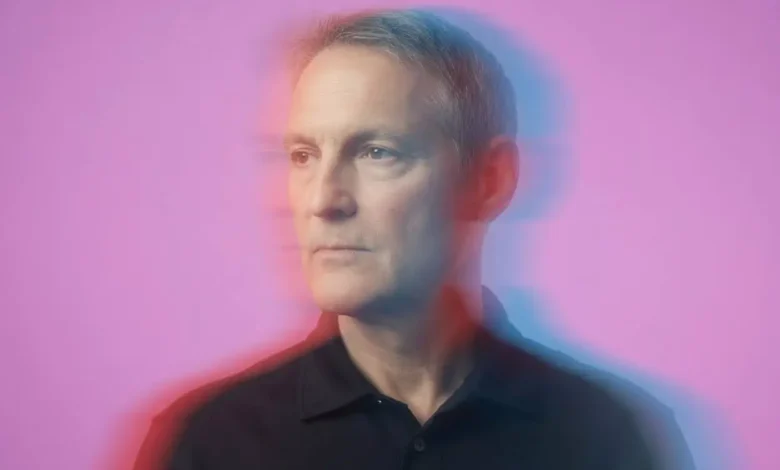
The most consequential new travel company of this decade is being assembled by a Hollywood super agent, and the travel industry has barely been paying attention. The World Cup final in New Jersey on Sunday closes a six-week tournament of 104 matches across 16 cities, carrying the highest-grossing World Cup hospitality program ever assembled, run by a company controlled by Ari Emanuel. This monumental event, culminating in a global spectacle that captivates billions, serves as a powerful, albeit largely unacknowledged, demonstration of a seismic shift occurring within the travel landscape, orchestrated by one of entertainment’s most formidable figures.
Defining Live Tourism: From Servicing Demand to Originating It
At Skift, we define "live tourism" as travel that is intrinsically organized around scheduled events. This encompasses a vast spectrum of human experiences, from the roar of a stadium crowd at a major sporting event to the hushed anticipation before a Broadway performance, the intellectual buzz of an international art fair, or the collaborative energy of a global convention. Live tourism, in its essence, has always existed. However, the critical distinction that truly matters, and which Ari Emanuel’s ventures are increasingly mastering, lies not in merely servicing existing travel demand, but in actively originating it.
Traditionally, established players in the travel ecosystem – hotels, airlines, and online travel agencies (OTAs) – primarily operate in the realm of servicing demand. They are the conduits through which travelers book their accommodation, secure their flights, and find their desired lodging once a decision to travel has already been made. They react to pre-existing intent. Emanuel’s burgeoning empire, conversely, is meticulously constructed to create that intent. His companies are strategically acquiring ownership of the very events that draw people in, building the platforms where the decision-making process unfolds, and developing the operational infrastructure that seamlessly transforms a nascent desire into a meticulously packaged travel experience. Over the past nine months, this strategy has accelerated, marking a significant pivot in how major live events are conceived, marketed, and experienced by global audiences.
The World Cup 2026: A Financial and Logistical Masterclass
The recent FIFA World Cup, co-hosted across North America in 2026, provided an unprecedented stage for Emanuel’s ambitions. The tournament, a quadrennial celebration of global football, is more than just a sporting competition; it is a cultural phenomenon that generates immense economic activity. With 104 matches spread across 16 cities in the United States, Canada, and Mexico, the 2026 World Cup was the largest iteration of the tournament in history, both in terms of the number of participating teams (48) and the geographical spread of its venues.
The financial scale of the hospitality program associated with this event was staggering. Reports indicate that it was the highest-grossing program of its kind ever assembled. This success was not accidental but the result of a carefully orchestrated strategy that leveraged Emanuel’s extensive network and expertise in sports, entertainment, and media rights. Endeavor, the parent company of Emanuel’s agency WME, has been instrumental in brokering deals and managing the commercial aspects of major sporting events for years. For the World Cup 2026, this translated into a comprehensive approach to hospitality that went far beyond simple ticket sales.
Background and Chronology of Emanuel’s Expansion
Ari Emanuel, a co-CEO of Endeavor, has long been a dominant force in Hollywood, representing some of the world’s biggest stars and brokering mega-deals across film, television, and sports. Endeavor itself has undergone a significant transformation, evolving from a talent agency into a global sports and entertainment conglomerate. This evolution has been marked by strategic acquisitions and a relentless focus on controlling key aspects of the value chain within the industries it operates.
The World Cup 2026 hospitality program is a prime example of this strategy in action. Endeavor, through its various subsidiaries and partnerships, played a pivotal role in securing and managing lucrative deals related to corporate sponsorships, premium seating, and exclusive hospitality packages. This involved not only selling access to the matches but also creating unique, high-value experiences for attendees, often bundled with accommodation, transportation, and exclusive events.
The groundwork for this level of control was laid over years of building relationships and acquiring complementary businesses. Endeavor’s acquisition of IMG, a global leader in sports, fashion, and media, was a particularly significant step, granting them extensive rights and operational capabilities in the sports world. This move, finalized in 2014, positioned Endeavor to exert influence over major sporting events like the World Cup. The subsequent expansion and integration of these assets allowed for the creation of a vertically integrated offering that could capture significant revenue streams from fan engagement and corporate partnerships.
The current World Cup final, held at MetLife Stadium in East Rutherford, New Jersey, was the culmination of a six-week global festival. The tournament commenced on June 11, 2026, and concluded on July 19, 2026. This extended period of competition across multiple continents provided ample opportunity for the hospitality program to generate revenue and showcase its capabilities. The sheer logistical complexity of managing such a widespread event, from ticketing to VIP experiences across 16 diverse cities, underscores the scale of Endeavor’s operational prowess.
Supporting Data and Market Indicators
While specific financial figures for the World Cup 2026 hospitality program are not publicly disclosed in their entirety, industry analysts have long recognized the immense revenue potential of such mega-events. The global sports market is valued in the hundreds of billions of dollars annually, with hospitality and fan experience being a significant and growing segment.
For context, the previous FIFA World Cup in Qatar in 2022 generated an estimated $6.5 billion in revenue for FIFA, with a substantial portion attributable to sponsorship and hospitality. The 2026 tournament, being larger and with a more expansive and developed commercial market in North America, was widely anticipated to surpass these figures. The fact that Emanuel’s controlled company operated the "highest-grossing World Cup hospitality program ever assembled" suggests that this program alone likely accounted for a significant portion of the overall revenue generated by the event, potentially reaching into the billions of dollars.
Furthermore, the rise of "experience economy" trends indicates a growing consumer willingness to spend on unique and memorable events. Data from market research firms like Statista consistently show an increasing demand for live events, with consumers prioritizing spending on travel and entertainment. This trend aligns perfectly with Emanuel’s strategy of creating and controlling the events that drive this demand.
Reactions and Industry Implications
While the broader travel industry may have been slow to fully grasp the implications of Emanuel’s strategic moves, there are subtle indicators of awareness and potential concern. Traditional hospitality providers, such as hotel chains and airlines, have historically benefited from the overflow of demand generated by major events. However, as companies like Endeavor begin to "own" the event and the associated travel packages, the risk of disintermediation becomes more pronounced.
One can infer that some industry observers are watching these developments with a mix of admiration for the strategic vision and apprehension about the potential disruption to established business models. A hypothetical reaction from a senior executive at a major hotel group might express a cautious optimism, acknowledging the economic benefits of large events while also highlighting the importance of direct relationships with travelers. "We value our partnerships with event organizers," a hypothetical statement might read, "and we are always looking for ways to enhance the guest experience. However, our core business remains providing exceptional accommodations, and we are committed to serving travelers directly."
Conversely, entities focused on event production and fan engagement are likely viewing Emanuel’s strategy as a blueprint for future success. The ability to control multiple facets of the fan journey, from the initial ticket purchase to the pre- and post-event experiences, creates a powerful competitive advantage.
The implications for the travel industry are multifaceted. Firstly, it signals a shift towards a more integrated and experiential approach to travel. Travelers are increasingly seeking curated experiences rather than just booking individual components. Secondly, it suggests that the power brokers in travel may increasingly come from outside the traditional travel sector, leveraging expertise in entertainment, media, and sports.
Broader Impact and the Future of Live Tourism
The strategic ascendancy of Ari Emanuel and Endeavor in the live tourism sector represents more than just a business success story; it signifies a potential paradigm shift in how major events are conceived and monetized, and consequently, how people travel. By originating demand through the ownership and meticulous packaging of compelling events, Emanuel’s companies are effectively creating their own captive audience of travelers.
This model has far-reaching implications. It suggests a future where major sporting leagues, music festivals, and cultural gatherings might be not just events, but also integrated travel platforms. Imagine a scenario where a music festival ticket automatically includes a curated hotel stay, exclusive transportation options, and perhaps even access to pre-festival fan zones managed by the same entity that booked the headliners.
This approach challenges the long-standing dominance of OTAs and traditional travel agencies, who have historically served as intermediaries. As companies like Endeavor gain more control over the entire event lifecycle, from production to fan engagement and travel logistics, they possess the potential to capture a larger share of the travel dollar, potentially even bypassing traditional travel sellers altogether for event-driven trips.
The success of the World Cup 2026 hospitality program is a stark indicator that this is not a nascent trend but a rapidly maturing strategy. The travel industry, traditionally characterized by incremental innovation, may need to adapt quickly to this new wave of event-centric, demand-originating travel. The quiet revolution orchestrated by a Hollywood super agent is well underway, and its impact on how we travel for live experiences is likely to be profound and enduring. The coming years will undoubtedly reveal the full extent of this transformation, as more players seek to emulate Emanuel’s successful model of originating travel demand through the power of unforgettable live events.