The dream of an endless retirement at sea comes to a sudden and chaotic end for hundreds of Villa Vie Odyssey passengers.

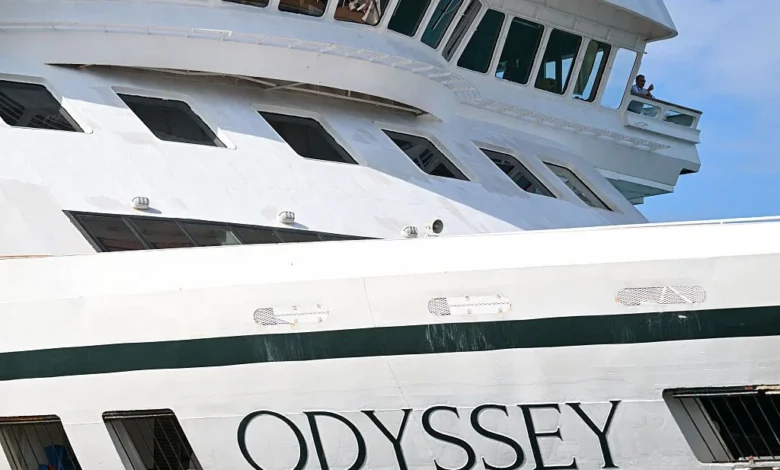
What began as an ambitious, first-of-its-kind experiment in permanent residential cruising has devolved into a logistical and financial crisis. Last week, Florida-based Villa Vie Residences announced the immediate suspension of operations for the Villa Vie Odyssey, leaving more than 200 passengers stranded in Cambodia. The abrupt cessation of the voyage—which had only been underway since October 2024—has forced retirees, many of whom liquidated their entire estates to fund their new lifestyle, to confront an uncertain future without immediate recourse or clarity regarding their substantial investments.
A Chronology of the Odyssey
The concept behind Villa Vie Residences was marketed as a revolutionary approach to retirement, offering individuals the opportunity to bypass traditional land-based senior living in favor of a globe-trotting existence. Prospective residents were presented with two primary financial models: purchasing an inside cabin for approximately $100,000 or securing permanent residency for as much as $350,000. For many, this was not merely a vacation; it was a permanent relocation.
The timeline of the vessel’s downfall highlights a rapid deterioration of the business model. After departing Northern Ireland in October 2024, the ship faced immediate operational hurdles. While the vessel was designed with a capacity to house approximately 650 residents, participation peaked at roughly 350, leaving the ship operating well below its economic threshold. By October 23, 2024, when the vessel arrived in Cambodia, it carried 203 residents and 156 crew members. Within weeks of that arrival, the company cited insurmountable financial pressure, leading to the decision to suspend operations, effectively terminating the journey for the passengers on board.
The Economic Failure: Fuel Costs and Operating Pressures
The primary catalyst for the shutdown, according to official statements from the cruise operator, was a drastic and unmanageable surge in fuel costs. In its statement regarding the suspension, Villa Vie Residences noted that while historical fuel expenses averaged roughly $1,800 per cabin, these costs surged to between $6,000 and $8,000 per cabin in several regions throughout Asia.
For a venture relying on a fixed-cost model for residents, these inflationary pressures proved fatal. The company stated that it was unable to pass these massive increases on to its residents, creating an unsustainable fiscal deficit. The financial strain was further exacerbated by the vessel’s occupancy rates, which failed to reach the critical mass required to offset the high overhead of maintaining a cruise ship in international waters.
As the company enters a 60-day window to evaluate its options—which include potential restructuring or filing for Chapter 11 bankruptcy protection—the ship’s primary lender has intervened. Reports from CBS News confirm that the creditor has seized control of the vessel. The ship is currently stationed in Cambodia but is slated for relocation to Singapore, leaving residents in a state of administrative limbo.
The Human Toll: From Paradise to Homelessness
The abruptness of the shutdown has left many passengers in a precarious state. Residents were reportedly given only seven hours to vacate their cabins, forcing a scramble to organize personal belongings and secure immediate housing. For many, this transition is not merely a change of location, but an existential crisis.
Randy Cassingham, a resident who has documented the ordeal via his blog, ResidentialCruising.com, provided a candid look at the reality faced by those who sold their homes, vehicles, and worldly possessions to board the Odyssey. "We are effectively homeless," Cassingham wrote. He noted that while the financial means to stay in a hotel exist, the loss of their primary residence and the uncertainty of the ship’s future have created a profound sense of displacement.
The logistical burden of the sudden evacuation has fallen squarely on the passengers. Without secured funding or immediate refunds from Villa Vie Residences, displaced residents have been forced to cover the costs of emergency airfare, temporary lodging, and the shipment of their belongings at their own expense.
Broader Implications for the Residential Cruise Industry
The failure of the Villa Vie Odyssey raises significant questions regarding the viability of residential cruise models. These ventures operate in a unique intersection of hospitality, real estate, and maritime law. Unlike traditional cruises, which operate on a short-term passenger revenue model, residential cruise lines rely on long-term capital investments that are difficult to protect in the event of a corporate insolvency.
From a consumer protection standpoint, the incident highlights the risks inherent in "lifestyle investments." Prospective retirees often weigh the costs of these cruises against the expenses of high-end retirement communities or luxury assisted living. While a cruise might seem competitive on a monthly basis, the lack of traditional protections—such as those afforded to real estate buyers or long-term leaseholders—leaves individuals vulnerable to the specific financial health of a single, private operator.
Furthermore, the maritime regulatory environment adds another layer of complexity. When a cruise operator encounters financial failure, the ship itself becomes an asset caught in the crosshairs of maritime lien law and creditor disputes. This often leaves passengers with little to no standing in the legal proceedings that determine the future of the vessel.
The Path Forward: Restructuring or Liquidation?
As Villa Vie Residences navigates its 60-day period of grace, the primary hope for some residents is that a new investor or a restructuring plan might allow the ship to resume service. However, the involvement of a secured creditor and the logistical costs of moving the ship to a maintenance hub in Singapore suggest that the path to resumption is fraught with difficulty.
For the industry, the Odyssey serves as a cautionary tale. The promise of "endless travel" requires a level of capitalization and fuel-price hedging that the company was ultimately unable to maintain. Experts in the maritime and retirement planning sectors suggest that any future attempts at this model will likely require more robust escrow protections for resident deposits and more stringent capital requirements to ensure that if the business fails, the residents—who are essentially the company’s long-term tenants—are not left stranded in foreign ports.
For now, the 200-plus residents are left to wait for further updates from the company. With no clear timeline for refunds and the ship now under the control of its lender, the dream of an endless, carefree voyage has been replaced by the stark reality of navigating complex international legal and financial recovery processes. The situation serves as a stark reminder that in the high-stakes world of luxury residential maritime travel, the boundary between a life of leisure and personal disaster is often only as stable as the company operating the vessel.