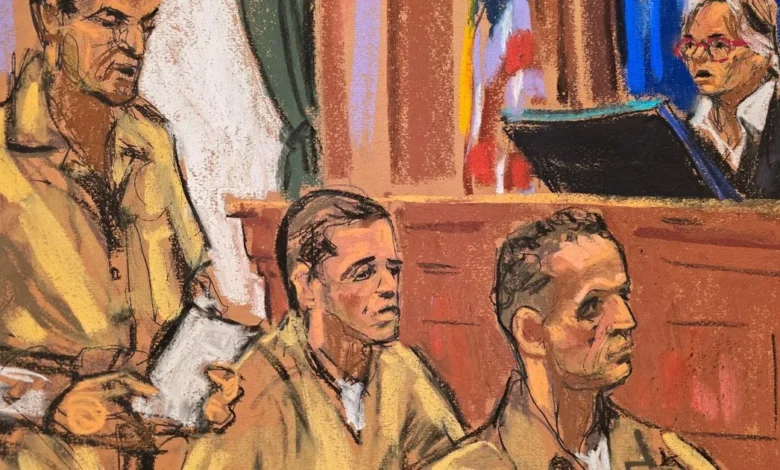
In a solemn proceeding in a lower Manhattan federal courtroom on Tuesday, October 27, 2026, Judge Valerie Caproni handed down a 30-year prison sentence to disgraced luxury real estate brokers Oren and Tal Alexander, along with their brother Alon. The sentencing marks the definitive conclusion of a high-profile criminal case that shattered the facade of one of the most prominent families in the New York and Miami real estate markets. In addition to the three-decade prison terms, each brother was sentenced to ten years of supervised release and ordered to pay significant financial penalties: $300,000 for Oren and Alon, and $350,000 for Tal, representing a $50,000 fine for each of the ten federal counts of sex trafficking for which they were convicted in March 2026.
The sight of the brothers, dressed in standard-issue tan prison uniforms and shackled at the ankles, stood in stark contrast to the jet-setting, ultra-luxury lifestyle they commanded as star brokers at Douglas Elliman. Their rapid descent from the pinnacle of the real estate industry to federal incarceration serves as a sobering case study on the intersection of wealth, status, and criminal exploitation.
A Chronology of Descent
The criminal saga of the Alexander brothers began to unravel in 2024, following a series of investigations that culminated in their arrests in Miami. The subsequent trial, which spanned five grueling weeks, exposed a pattern of behavior that prosecutors described as a systematic weaponization of their influence.
The charges stemmed from a long-term investigation into the brothers’ conduct, which involved the drugging, sexual assault, and trafficking of dozens of women across New York, the Hamptons, and Miami. Prosecutors presented evidence that the brothers had engaged in these acts for years, using their status to lure victims and then deploying substances to render them incapacitated.
The trial testimony was harrowing, featuring accounts from 11 women who provided direct testimony, though reports indicate that over 70 individuals have come forward with allegations against the trio. One particularly disturbing piece of evidence presented during the trial was a video of an assault on a 17-year-old model, which investigators discovered on a backup of Oren Alexander’s computer. The victim testified that she was unaware the assault had occurred until she was contacted by federal authorities.
The Voices of the Survivors
The sentencing hearing was dominated by the impact statements of the victims, whose accounts provided a harrowing look at the lifelong trauma inflicted by the defendants. Twelve victims delivered statements, painting a picture of lives derailed by betrayal and physical violence.
Maya Miller (a pseudonym) described the psychological toll of being assaulted by Tal Alexander, noting how the experience forced her to "divide into two versions" of herself. Another survivor, identified as Issa Brooks, testified that she was only 16 at the time she was raped by the brothers and their associates. She described the chilling transformation in the brothers’ demeanor during the assaults, stating, "The old me had died."
Olivia Lane, who met Oren Alexander via the exclusive dating app Raya, detailed an incident where a single drink led to a total loss of consciousness, followed by a night of repeated sexual violence. Her account of the brothers’ indifference—including the detail that Oren stood in the shower, focused on his own gratification while she suffered in physical pain—was central to the prosecution’s argument regarding the brothers’ lack of empathy and inherent cruelty.
Prosecution and Defense Arguments
Throughout the proceedings, federal prosecutors painted the Alexander brothers as remorseless predators who viewed their victims as trophies to be humiliated and degraded. The prosecution cited instances where the brothers would dress victims in clown costumes or abandon them in the cold in Aspen after assaults, purely for their own perverse amusement. Their internal text communications, which were read into the record, revealed a callous, boastful attitude toward their actions.
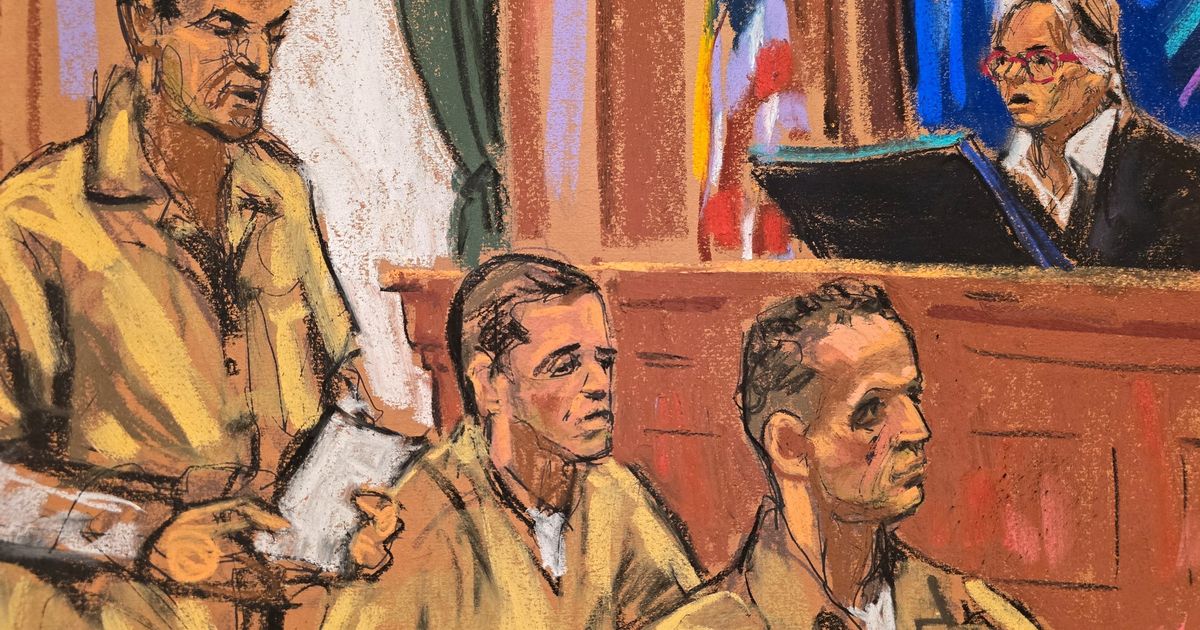
The defense, led by attorneys for the three men, attempted to frame the brothers as "playboys" caught up in a lifestyle of excess rather than as criminal masterminds. Marc Agnifilo, representing Oren, attempted to mitigate the severity of the sentencing by comparing the brothers’ crimes to those of convicted murderers, arguing that since no one had died, a 15-year minimum sentence was appropriate. However, Judge Caproni rejected these arguments, citing the "Jekyll and Hyde" nature of the brothers, who were perceived by their social circles as doting family men while simultaneously engaging in horrific acts of sexual predation.
The Question of Remorse and Rehabilitation
In their final statements to the court, the brothers offered what the court viewed as performative and insufficient expressions of regret. Oren attempted to deflect responsibility by citing the influence of "hookup culture" and media figures like Howard Stern. Tal offered a hollow apology for hurting "feelings," while Alon, despite admitting that his messages about women were "degrading," maintained his innocence regarding the trafficking charges.
Judge Caproni was unconvinced. In her ruling, she remarked that the brothers had "blatantly denied responsibility" and "trivialized their conduct." She emphasized that the shame associated with these crimes lies solely with the perpetrators, not the victims, and expressed a hope that the brothers might one day acknowledge the gravity of their actions—the necessary first step toward any form of true rehabilitation.
Broader Implications and Legal Context
The sentencing of the Alexander brothers leaves the real estate industry in a state of reflection. As former top-tier brokers, their case highlights the vulnerability of victims who may be silenced by the immense social and financial capital held by their abusers. The case has already sparked discussions regarding industry oversight and the ways in which luxury networks can be used to facilitate illegal activity.
Looking ahead, the legal battles are far from over. Attorneys for the brothers have signaled their intent to appeal the sentences. Furthermore, the brothers face approximately 30 civil lawsuits, which will likely tie them up in litigation for years to come. Additionally, they remain subject to pending state-level sexual-battery charges in Florida.
Perhaps most controversial is the report that the family has retained high-profile attorney Alan Dershowitz to pursue a presidential pardon. The family has reportedly paid substantial legal fees to push for this outcome. However, legal analysts note that the prospect of a pardon is slim, particularly given the public outcry surrounding the Epstein files and the fact that several of the victims in the Alexander case were minors at the time of the offenses. No presidential pardon has ever been granted for crimes of this nature, and the political optics of such a move would be highly unfavorable in the current climate.
Conclusion
The 30-year sentence represents a rare moment of accountability for individuals who long operated with the belief that their wealth and status made them untouchable. While the prison terms cannot erase the trauma of the survivors, the verdict sends a definitive message that systemic sexual exploitation, even when obscured by the glitz of the luxury real estate world, will be met with the full force of the law. As the Alexanders begin their sentences, the focus shifts to the ongoing civil litigation and the long, difficult path of healing for the dozens of women whose lives were irrevocably altered by their actions.