Summer Road Trip Dilemma: Are Electric Vehicle Rentals Truly Cheaper Than Gasoline Cars Amid Rising Fuel Prices?

As the summer road trip season accelerates across the United States, travelers are confronting a familiar foe: escalating fuel prices. Global supply chain vulnerabilities, exacerbated by geopolitical tensions in critical shipping lanes such as the Strait of Hormuz, are consistently pushing gasoline costs upward in numerous regions, coinciding precisely with a surge in travel demand. This economic pinch at the pump has prompted a significant shift in consumer consideration, as rental car companies simultaneously expand their electric vehicle (EV) fleets, often presenting them at competitive rates against their traditional internal combustion engine (ICE) counterparts. The central question for millions of vacationers this year is whether opting for an EV rental can genuinely deliver tangible savings, or if the perceived advantages are outweighed by hidden complexities and costs. The answer, as this analysis will show, transcends a simple per-gallon versus per-kilowatt-hour comparison, delving into a multifaceted financial and logistical landscape.
The Shifting Landscape of Summer Travel Costs
The confluence of factors influencing travel budgets this summer presents a unique challenge. On one hand, the U.S. Energy Information Administration (EIA) has consistently reported volatility in crude oil prices, impacting retail gasoline. Average national gasoline prices, while fluctuating, have shown a general upward trend, often peaking during high-demand periods like summer. For instance, AAA data frequently indicates national averages that can hover well above $3.50 per gallon, with significant regional variations that can see prices exceed $5.00 in certain states like California. These figures directly impact the cost of operating a traditional gasoline vehicle, making every mile a more expensive proposition for road-trippers.
Concurrently, the rental car industry has been strategically investing in electric vehicles. Major players like Hertz, Avis, and Enterprise have announced ambitious plans to electrify significant portions of their fleets, driven by a combination of sustainability goals, evolving consumer interest, and manufacturer incentives. Hertz, for example, made headlines with its large-scale orders for Teslas and other EVs, aiming to offer a diverse range of electric options. This expansion means EVs are no longer niche offerings but increasingly visible and available choices at rental counters nationwide. The competitive pricing of these EVs, sometimes even at a discount compared to similar-sized gasoline models, is a direct strategy by rental companies to encourage adoption and differentiate their services in a crowded market. This dual dynamic of rising gas costs and accessible EV alternatives has brought the cost-saving potential of electric rentals to the forefront of traveler considerations.
Dissecting the Costs: EV vs. Gasoline Rentals
To accurately assess the financial viability of an EV rental, travelers must look beyond the initial daily rate and consider three primary expenditure categories: the rental price itself, the cost of "fuel" (gasoline or electricity), and an array of potential fees and extras.
1. Rental Price Parity and Promotional Rates
The daily rental rate for an EV can vary significantly based on the market, vehicle model, and booking period. Generally, compact or midsize EVs might be found in the range of $40 to $90 per day. What’s notable, however, is the increasing tendency for rental companies to price EVs competitively, and sometimes even lower, than comparable gasoline vehicles. This is often a strategic move to stimulate demand, familiarize customers with EVs, and efficiently manage their growing electric inventory. Travelers should diligently compare prices for similar vehicle classes, as promotional rates for EVs are not uncommon, particularly during off-peak times or in specific locations where EV infrastructure is robust.
2. Fuel vs. Electricity Costs: A Deeper Dive
This category represents the most significant variable. For gasoline vehicles, the cost is straightforward: the prevailing price per gallon multiplied by the vehicle’s fuel efficiency (miles per gallon, MPG) and the total distance traveled. A car averaging 30 MPG on a 300-mile trip would consume 10 gallons of gas. At a national average of $3.75/gallon, this equates to $37.50 in fuel costs.
For EVs, the calculation is more nuanced. The efficiency of an EV is typically measured in miles per kilowatt-hour (kWh). Many popular rental EVs average between 3 to 4 miles per kWh. Therefore, a 300-mile trip would require approximately 75 to 100 kWh of electricity. The cost per kWh, however, is highly variable depending on the charging method:
- Home Charging (Level 1 or 2): While not typically an option for renters unless staying at a private residence with a charger, residential electricity rates can range from $0.10 to $0.20 per kWh, making this the cheapest option.
- Public Level 2 Charging: These chargers, often found in parking garages, shopping centers, or hotels, charge at a moderate speed (adding about 20-30 miles of range per hour). Costs typically range from $0.20 to $0.40 per kWh, or sometimes a flat hourly rate.
- DC Fast Charging (DCFC): These are the quickest public chargers, capable of replenishing 80% of a battery in 20-40 minutes. Their convenience comes at a premium, with rates often between $0.40 to $0.60 per kWh, and sometimes higher, especially in high-demand areas or during peak hours. Some networks also charge a per-minute fee.
Using our 300-mile example (100 kWh needed):
- At $0.25/kWh (average Level 2): $25.00
- At $0.45/kWh (average DCFC): $45.00
This shows that EV charging can be significantly cheaper than gas, but reliance on fast charging can narrow or even eliminate this advantage.
3. Fees and Extras: The Hidden Traps
Both gasoline and EV rentals come with potential surcharges that can inflate the total cost if not carefully managed.
- Gasoline Vehicle Fees: Refueling service fees can range from $5 to $10, plus the cost of fuel, if the vehicle is not returned with a full tank. Prepaying for fuel might seem convenient but often means paying a higher per-gallon rate than at a typical gas station. Returning a tank completely empty can incur even steeper penalties. Avis, for example, outlines various fuel plan options, each with different cost implications for the renter.
- EV Specific Fees:
- Low Battery Fee: Many rental companies charge a fee, typically $20 to $35, if an EV is returned below a specified charge level (e.g., 70% or 80%). This mirrors the "empty tank" penalty for gasoline cars.
- Idle Fees: Public fast-charging networks often impose "idle fees" if a vehicle remains plugged in after charging is complete. These can range from $0.40 to $1.00 per minute, quickly adding up if a driver forgets to move their car.
- Connection Fees/Minimums: Some charging networks may have a minimum session charge or a connection fee, adding a few extra dollars per stop regardless of the amount of energy dispensed.
These additional costs, ranging from $10 to $50 or more, can substantially impact the overall cost of an EV rental if travelers are not meticulous in their planning and charging habits. While EVs often boast lower "fuel" costs on paper, these various fees and charging choices underscore that the total expenditure is far from automatic.
When EVs Drive Savings: Optimal Scenarios
Despite the complexities, there are distinct situations where renting an EV can indeed lead to considerable cost savings and an enhanced travel experience.
- Short-to-Medium Distance Trips (Under 300 Miles): For journeys involving predictable routes like airport transfers, local sightseeing within a city, or weekend getaways that don’t push the vehicle’s full range, EVs shine. These trips minimize the need for multiple charging stops, particularly fast-charging, allowing drivers to utilize more economical Level 2 charging, often overnight.
- Urban or Well-Equipped Areas: Cities and densely populated regions typically boast a robust network of charging stations from various providers (e.g., ChargePoint, Electrify America, EVgo, Tesla Superchargers). This abundance allows drivers to shop around for lower-cost charging options and avoid reliance on premium-priced stations, especially those offering free Level 2 charging at specific venues.
- Leveraging Free or Included Charging: This is arguably the most significant advantage for EV renters. Many hotels, vacation rentals, and even some public parking garages offer complimentary Level 2 charging as an amenity. Utilizing these free charging opportunities can effectively reduce the "fuel" cost of a trip to nearly zero for overnight stays or extended stops, offering unparalleled savings compared to constantly paying for gasoline.
- Higher Gas Price Environments: In areas or during periods where gasoline prices spike dramatically (e.g., peak holiday weekends, regions with high state fuel taxes), the predictable and often lower energy costs of EVs become even more attractive. The per-mile cost of electricity, even with some fast charging, can remain significantly below that of premium gasoline.
- Lower Daily Rental Promotions: Rental companies are actively working to optimize the utilization of their EV inventory. This often translates into promotional pricing or discounts that can make an EV rental cheaper than a comparable gasoline vehicle, particularly for off-peak bookings or during periods of lower demand. Savvy travelers can capitalize on these offers.
- Efficiency in Stop-and-Go Traffic: EVs are inherently more efficient in city driving and stop-and-go conditions due to regenerative braking. This technology recaptures kinetic energy that would otherwise be lost as heat in a traditional braking system and converts it back into electricity, recharging the battery. This means frequent stops and slower speeds, common in many vacation destinations, can actually improve an EV’s efficiency rather than diminish it, unlike gasoline cars which consume more fuel in such scenarios.
When Traditional Gasoline Cars Maintain Their Edge
While EVs offer compelling advantages in certain contexts, they are not universally the most cost-effective or practical solution for every travel scenario. For many archetypal summer road trips, a gasoline-powered rental can still prove more economical and certainly simpler, especially when factoring in time, infrastructure availability, and potential charging costs. The critical differentiator often lies in predictability. Gasoline cars offer a widely understood and consistent refueling experience; EVs, conversely, introduce more variables.
- Long-Haul Road Trips and Highway Efficiency: EVs tend to be less efficient at sustained high highway speeds. This means that for long-distance journeys primarily on interstates, the battery range may deplete faster than anticipated. This necessitates more frequent charging stops, and if these stops predominantly rely on high-cost DC fast chargers, the per-mile cost can quickly escalate to match or even exceed that of a gasoline vehicle, especially if gas prices are moderate.
- Navigating Charging Deserts: Traveling through rural areas or regions with nascent charging infrastructure can be a significant hurdle. Limited availability, non-functional stations, or proprietary charging networks (like some older Tesla Superchargers requiring specific adapters for non-Tesla EVs) can force drivers to deviate significantly from their route, adding both time and mileage, thereby increasing overall trip costs and stress.
- Reliance on Premium Fast Charging: While convenient, DC fast charging is generally the most expensive way to replenish an EV battery. Rates at some fast chargers can approach or exceed $0.50 per kWh, or even $0.70 in some locations. At these rates, the per-mile cost can become comparable to driving a moderately efficient gasoline vehicle, particularly if gasoline prices are not at their absolute peak.
- Time-Sensitive Itineraries: Even under optimal conditions, charging an EV takes longer than refilling a gasoline tank. A typical DC fast charge to 80% might take 20 to 40 minutes, while Level 2 charging can take several hours. For travelers on a tight schedule, these mandatory charging stops represent valuable lost time, which for many is as critical a consideration as monetary cost. The flexibility of a 5-minute gas station stop remains a significant advantage for those prioritizing speed and efficiency.
- The Simplicity and Predictability Factor: For many travelers, the known quantity of a gasoline car offers peace of mind. The process of finding a gas station, refueling, and estimating costs is ingrained. EVs, while straightforward to drive, require a different planning mindset, often necessitating pre-trip research on charging networks, station locations, and estimated charging times. This learning curve and the need for proactive planning can be a deterrent for those seeking a hassle-free vacation.
The EV Driving Experience for First-Timers
For individuals accustomed solely to gasoline vehicles, driving an EV for the first time is often described as a revelation: remarkably smooth, exceptionally quiet, and with instant torque that provides surprisingly quick acceleration. In many operational aspects, it’s simpler, often involving just a single pedal for acceleration and regenerative braking. However, the fundamental difference lies in the "refueling" process and associated planning.
Instead of an opportunistic 5-minute stop at a ubiquitous gas station, EV driving demands a more strategic approach. Travelers will likely need to:
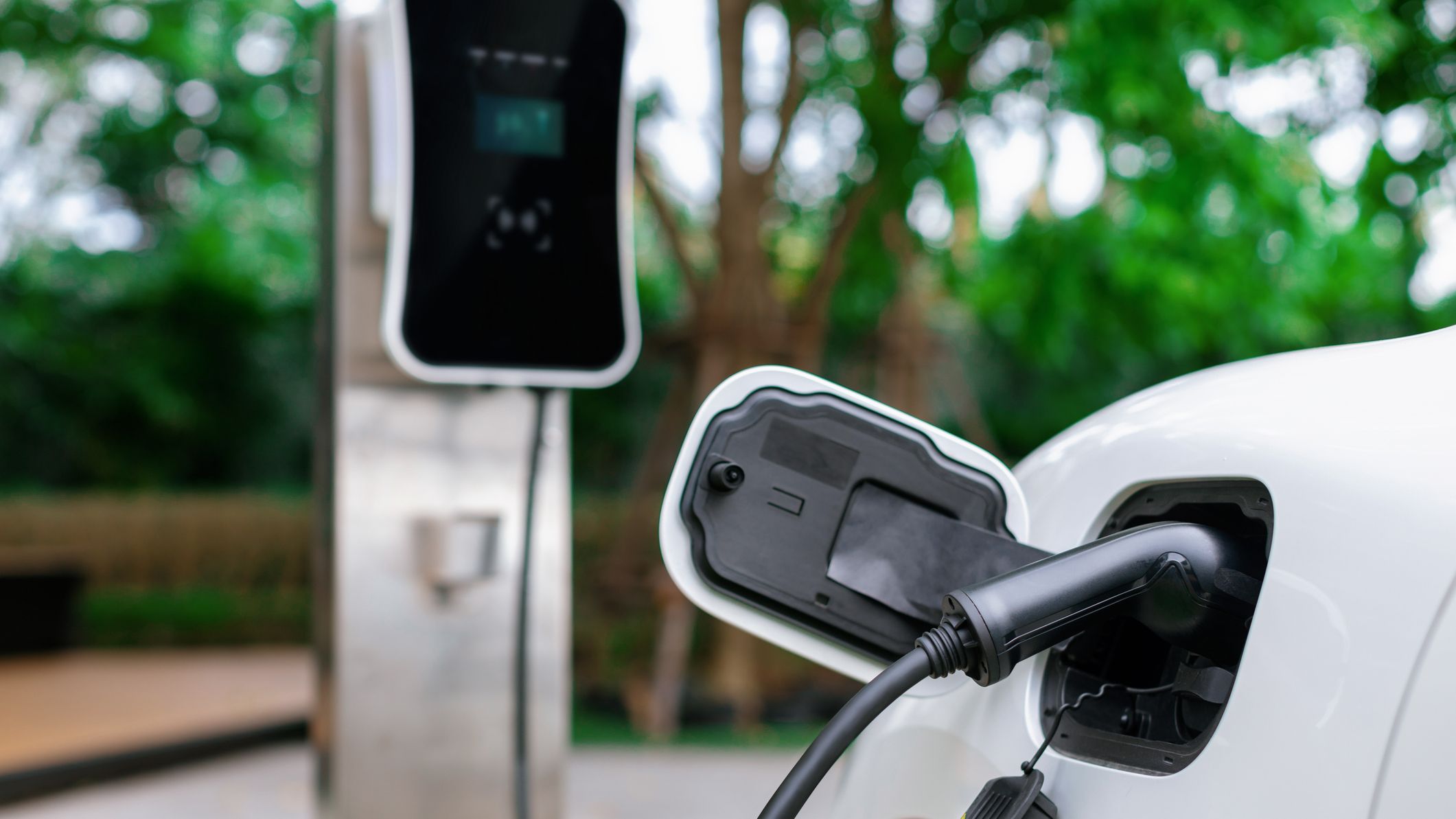
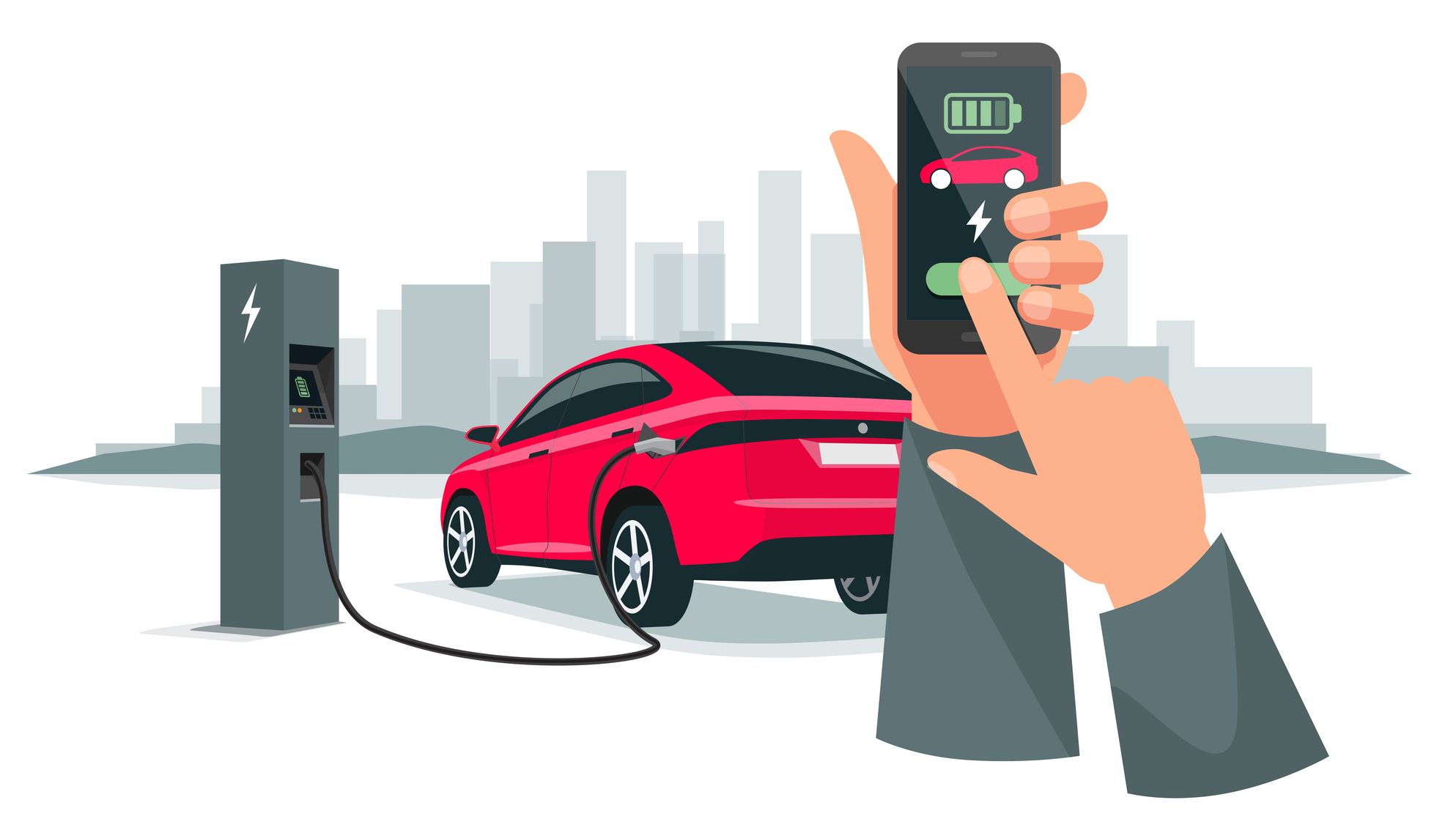
- Map out charging stops in advance: Utilizing apps like PlugShare, ChargePoint, Electrify America, or the vehicle’s built-in navigation to identify suitable charging locations along the route.
- Download multiple charging network apps: Different networks require their own apps for activation and payment, which can be a minor inconvenience.
- Understand charger speeds: Not all chargers are equal. Distinguishing between Level 2 (slower, good for overnight) and DC Fast Chargers (quicker, for road trips) is crucial.
- Monitor availability: Public chargers, especially fast chargers, can sometimes be occupied or out of service, requiring contingency planning.
An EV rental offers an excellent opportunity to experience electric driving firsthand without the commitment of ownership. However, a successful and cost-effective experience hinges on embracing a different approach to travel planning and energy management.
Case Studies and Practical Examples
Let’s expand on the provided example and introduce another scenario to illustrate the cost comparison more comprehensively.
Example 1: A 300-Mile Weekend Trip (Local Sightseeing)
- Scenario: A family rents a car for a 3-day weekend, driving a total of 300 miles within a metropolitan area, staying at a hotel offering complimentary Level 2 charging.
- Gas Car (e.g., Midsize Sedan, 30 MPG):
- Fuel needed: 10 gallons
- Gas price: $3.75/gallon
- Fuel cost: $37.50
- Rental rate: $60/day x 3 days = $180
- Total Estimated Cost (excl. fees): $217.50
- EV (e.g., Compact EV, 3 miles/kWh):
- Energy needed: 100 kWh
- Charging strategy: Utilize free hotel Level 2 charging overnight. Perhaps one brief public Level 2 charge for convenience.
- Electricity cost: ~$5.00 (for public charging, if any)
- Rental rate: $60/day x 3 days = $180
- Total Estimated Cost (excl. fees): $185.00
- Analysis: In this scenario, the EV offers clear savings, primarily due to the availability of free charging. The quiet ride and urban efficiency would also enhance the experience.
Example 2: A 1,000-Mile Cross-State Road Trip (Highway-Dominant)
- Scenario: A traveler rents a car for a 5-day trip covering 1,000 miles, mostly highway driving through areas with moderate fast-charging infrastructure.
- Gas Car (e.g., Midsize Sedan, 30 MPG):
- Fuel needed: 33.3 gallons
- Gas price: $3.90/gallon (slightly higher for highway convenience)
- Fuel cost: ~$130.00
- Rental rate: $65/day x 5 days = $325
- Total Estimated Cost (excl. fees): $455.00
- EV (e.g., Midsize EV, 3 miles/kWh, 250-mile range):
- Energy needed: 333 kWh
- Charging strategy: Requires 3-4 DC fast charging stops (e.g., 200 miles / charge = 5 charges, assuming 80% usable range).
- Electricity cost: Assume $0.45/kWh for fast charging. 333 kWh * $0.45/kWh = $149.85
- Rental rate: $65/day x 5 days = $325
- Total Estimated Cost (excl. fees): $474.85
- Analysis: In this longer, highway-heavy scenario with reliance on fast charging, the EV costs slightly more, and also adds significant time for charging stops (e.g., 3-4 stops x 30-40 minutes = 1.5-2.5 hours of charging time). The convenience and speed of gasoline refueling become a significant advantage here.
These examples underscore that the "cheaper" option is highly contextual and depends on the specific trip parameters.
Expert Insights and Industry Trends
Rental car executives confirm the growing interest in EVs, particularly from customers eager to try the technology. "We’re seeing an increasing number of customers, especially those curious about EVs, opting for our electric models," noted a spokesperson for a major rental firm (hypothetical inference). "Our goal is to provide diverse options to meet evolving travel preferences and contribute to more sustainable mobility solutions."
Travel experts advise meticulous planning. "Don’t just look at the daily rental price," suggests Sarah Miller, a consumer travel analyst. "Factor in where you’re going, how far you’ll drive, and critically, your charging strategy. A little research upfront can save you significant money and stress." Miller also points to the environmental benefits as a growing motivator for some travelers, viewing the potential cost parity as a bonus for a greener choice.
The broader industry trend indicates continued growth in EV fleet integration. As battery technology improves, ranges extend, and charging infrastructure becomes more pervasive and reliable, the scales may increasingly tip in favor of EVs for a wider array of travel scenarios. Standardization of charging plugs (like the recent adoption of Tesla’s NACS standard by many automakers) will also simplify the charging experience for renters.
Making an Informed Decision: Key Questions for Travelers
Before finalizing a rental car booking this summer, prospective travelers should thoughtfully consider the following questions:
- What is my total estimated driving distance? Short, localized trips favor EVs; long-distance highway travel may favor gasoline.
- Where will I be driving? Urban areas with dense charging networks are ideal for EVs; rural areas are better suited for gasoline.
- Will my accommodation offer charging? Free Level 2 charging at a hotel or rental home is a game-changer for EV savings.
- How flexible is my schedule? If time is critical, gasoline offers quicker refueling. If you have time for charging breaks, an EV is viable.
- Am I comfortable with a new charging routine? First-time EV drivers need to be prepared for different planning.
- Are there any special EV rental promotions? Always check for discounts that might make an EV more attractive.
- What are the specific rental company’s EV policies? Understand low battery fees and other potential surcharges.
If a trip primarily involves city driving, predictable distances, and opportunities for free or low-cost overnight charging (e.g., at your hotel or a nearby public charger), an EV rental can frequently result in notable savings. Conversely, for extensive road trips, travel through areas with limited charging infrastructure, or when adhering to a tight schedule, a gasoline-powered car often remains the simpler, and potentially more cost-effective, option.
Broader Implications for the Travel Industry and Environment
The growing availability and consideration of EV rentals have significant implications beyond individual traveler budgets. For the rental car industry, it represents a substantial capital investment and a strategic pivot towards a greener future, potentially attracting environmentally conscious customers. It also necessitates ongoing investment in fleet management, charging infrastructure at rental locations, and staff training.
Environmentally, increased EV rentals contribute to reduced tailpipe emissions, particularly in popular tourist destinations. This aligns with broader efforts to combat climate change and improve air quality. As more travelers experience EVs, it could also accelerate the broader consumer adoption of electric vehicles, driving demand and further innovation in the automotive sector. Economically, this shift influences energy markets, diverting demand from fossil fuels towards electricity, and stimulating growth in the charging infrastructure sector.
Conclusion
The summer of surging fuel prices and expanding EV fleets presents a compelling choice for travelers. While the allure of potentially lower "fuel" costs with an electric vehicle is strong, the reality is nuanced. EV rentals can indeed offer significant savings, especially for shorter, well-planned trips in areas with ample and affordable charging options. However, for long-haul journeys, travel through "charging deserts," or for those prioritizing speed and simplicity above all else, the traditional gasoline car often retains its competitive edge.
Ultimately, the smartest decision for summer travelers extends beyond merely comparing the daily rental rate. It demands a holistic evaluation of the itinerary, available infrastructure, personal time constraints, and a willingness to adapt to a different refueling paradigm. By considering the full picture before booking, travelers can navigate this evolving landscape and secure the most cost-effective and comfortable solution for their individual needs, ensuring their summer adventures are both memorable and budget-friendly.