The evolution of Thanksgiving in the United States has undergone a significant cultural shift over the past two decades, moving from strictly traditional, family-centric gatherings to inclusive, community-driven celebrations often referred to as Friendsgiving. This modern holiday adaptation has reshaped the hospitality and short-term rental markets across the East Coast. As millions of Americans prepare to travel or host during the late-November holiday window, a growing segment of consumers is bypassing traditional domestic hosting in favor of rented properties designed to accommodate large groups. Industry data from platforms like Airbnb and Vrbo indicate that late November has become one of the peak booking periods for rural and semi-rural properties within driving distance of major metropolitan areas such as New York City, Boston, Philadelphia, and Washington, D.C.
To meet this surging demand, property owners and real estate investors have increasingly tailored their spaces to accommodate the specific logistical requirements of a Thanksgiving feast. This includes outfitting properties with commercial-grade ovens, expansive dining rooms capable of seating ten to twenty guests, and multi-bedroom layouts that ensure privacy for traveling parties. Consequently, the travel industry has observed a notable surge in demand for country-chic homesteads, lakeside cabins, and historic farmhouses that offer both the aesthetic charm of a traditional rural holiday and the modern amenities required for a seamless culinary production.
Historical Background and the Rise of Friendsgiving
The conceptual framework of Thanksgiving traces its origins back to the autumn of 1621, when the Plymouth colonists and the Wampanoag people shared an autumn harvest feast in present-day Massachusetts. For centuries, the holiday remained codified primarily as a family-oriented occasion centered around domestic households. However, the early 2000s marked the emergence of Friendsgiving—a portmanteau popularized largely by television culture, notably an episode of the sitcom Friends in 2004, and later accelerated by social media platforms.
By the 2010s, Friendsgiving transitioned from a pop-culture novelty to a mainstream social institution. Sociologists and cultural analysts attribute this shift to several demographic trends: the rise of urban migration, delayed marriage rates, geographically dispersed families, and the strengthening of chosen family networks among millennials and Generation Z. According to consumer research from various hospitality and food-service associations, more than 40% of Americans now participate in at least one Friendsgiving celebration annually, frequently hosting or attending these events in the weeks leading up to or immediately following the official federal holiday.
Logistical Challenges of Modern Holiday Hosting
While the cultural appeal of Friendsgiving is robust, the logistical reality of hosting a traditional multi-course turkey dinner often presents significant challenges for urban and suburban dwellers. Standard metropolitan apartments frequently lack the spatial capacity, refrigeration, and cooking infrastructure required to prepare a large-scale meal for a dozen guests. Ovens in city apartments are routinely too small to roast a standard 15-to-20-pound turkey, and seating arrangements often fall short of accommodating a communal dining experience.
These architectural limitations have catalyzed a boom in destination holiday rentals. Rather than crowding into cramped living rooms or dividing cooking duties across multiple apartments, groups of friends are pooling resources to rent secluded properties. Real estate economists note that this trend provides a vital economic boost to regional tourism economies during the shoulder season—the typically quiet period between the end of the summer foliage rush and the winter ski season.
Key Criteria for Holiday-Ready Short-Term Rentals
The selection process for a successful group holiday rental requires careful consideration of specific property features. Industry experts and hospitality platforms evaluate properties based on a rigorous set of criteria, including Superhost status, guest ratings, location convenience, and interior design elements. For a property to be designated as ideal for a Thanksgiving or Friendsgiving gathering, it must fulfill several functional prerequisites:
- Kitchen Infrastructure: A full-sized, fully equipped kitchen featuring modern appliances, particularly an oven with adequate interior volume for large poultry, multiple burner cooktops, ample counter space, and sufficient cookware, serving platters, and dining ware for large groups.
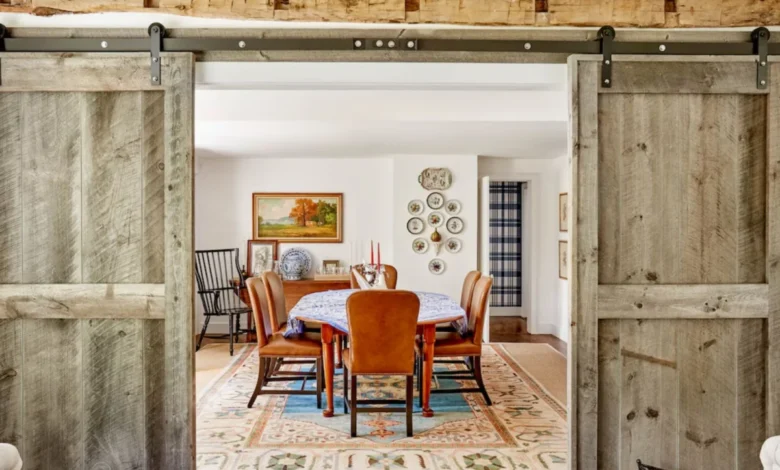
- Dining Capacity: A dedicated dining room or expansive open-plan dining area featuring a table large enough to seat all occupants comfortably, avoiding the disjointed experience of scattered seating.
- Sleeping Arrangements: A multi-bedroom layout that balances communal gathering spaces with private quarters, accommodating various configurations of couples, singles, and families.
- Entertainment and Amenities: Supplementary features such as fireplaces, game rooms, hot tubs, or saunas that facilitate relaxation and group bonding after the main meal is concluded.
- Accessibility and Setting: Proximity to nature—such as lakeside views or mountain backdrops—combined with reasonable driving distances from major East Coast urban hubs to minimize long-distance travel fatigue.
Geographic Breakdown of Top East Coast Destinations
The East Coast boasts a diverse array of landscapes that lend themselves naturally to autumnal celebrations. Real estate trends highlight several key regions as prime locations for group holiday getaways.
The Hudson Valley and Catskills, New York
Renowned for its rolling hills, historic Dutch colonial farmhouses, and proximity to New York City, the Hudson Valley remains a premier destination for holiday travelers. Properties in this region often blend historic architectural preservation—such as exposed timber beams and wide-plank hardwood floors—with state-of-the-art kitchen renovations. Guests frequently utilize the surrounding agricultural landscape to source locally grown produce, artisanal cheeses, and farm-raised poultry for their holiday tables.
New Hampshire and the Lakes Region
For groups seeking a more rugged, nature-immersed experience, the lakeside log cabins and timber-frame homes of New Hampshire provide an idyllic backdrop. Overlooking serene bodies of water framed by the fading foliage of late autumn, these properties emphasize rustic coziness. Features such as massive stone hearths, wrap-around porches, and fire pits offer ideal settings for evening gatherings following a day of cooking and socializing.
The Berkshires, Massachusetts
Combining cultural sophistication with rural tranquility, western Massachusetts offers sprawling estates and restored historic homesteads. These properties frequently feature expansive formal dining rooms and professional-grade kitchens, making them exceptionally well-suited for formal sit-down dinners and extended holiday weekends that stretch from Thursday through Sunday.
Economic and Industry Implications
The commercialization and professionalization of holiday rentals reflect broader transformations within the global travel and real estate sectors. Property management companies have increasingly adopted sophisticated revenue management tools, dynamic pricing models, and specialized cleaning protocols to capitalize on the surge in multi-day holiday bookings.
Furthermore, local municipalities across the East Coast have observed changing tax revenue patterns. While traditional hotels experience fluctuating occupancy rates during late November as business travel slows down, rural counties containing high concentrations of short-term rentals report steady or increased transient occupancy tax revenues. This financial influx supports local small businesses, including farm stands, butcher shops, wine merchants, and seasonal event planners.
Industry analysts emphasize that the trend toward destination Friendsgivings is likely to persist. As remote and hybrid work models afford greater scheduling flexibility, travelers are increasingly willing to extend their holiday trips, transforming a standard four-day weekend into an immersive week-long retreat. By bridging the gap between domestic comfort and hospitality-grade luxury, these East Coast properties have redefined how modern communities gather to celebrate gratitude, food, and shared companionship.