The Landscape of the Sub-Million-Dollar Market
In the current New York City real estate climate, the "under a million" price point has become a litmus test for the city’s housing health. According to recent data from market analysts, while the median sales price for Manhattan co-ops and condos has frequently hovered well above the $1 million mark, outer-borough neighborhoods like Park Slope, Williamsburg, and Jackson Heights continue to provide viable entry points for first-time buyers.
This specific segment of the market—often comprised of studio apartments, converted carriage houses, and historic co-ops—is seeing increased competition. Buyers are no longer merely looking for square footage; they are prioritizing architectural provenance, proximity to transit, and "turn-key" condition, as the cost of renovation materials and labor has surged by approximately 15% to 20% over the last three years.
A Closer Look at the Park Slope Gem
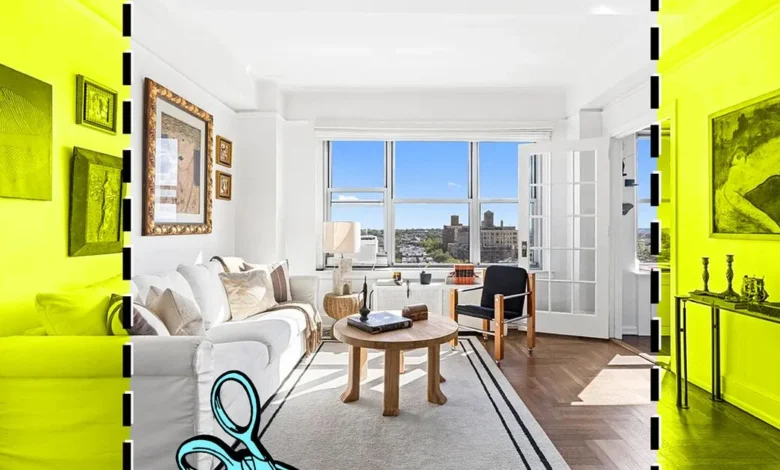
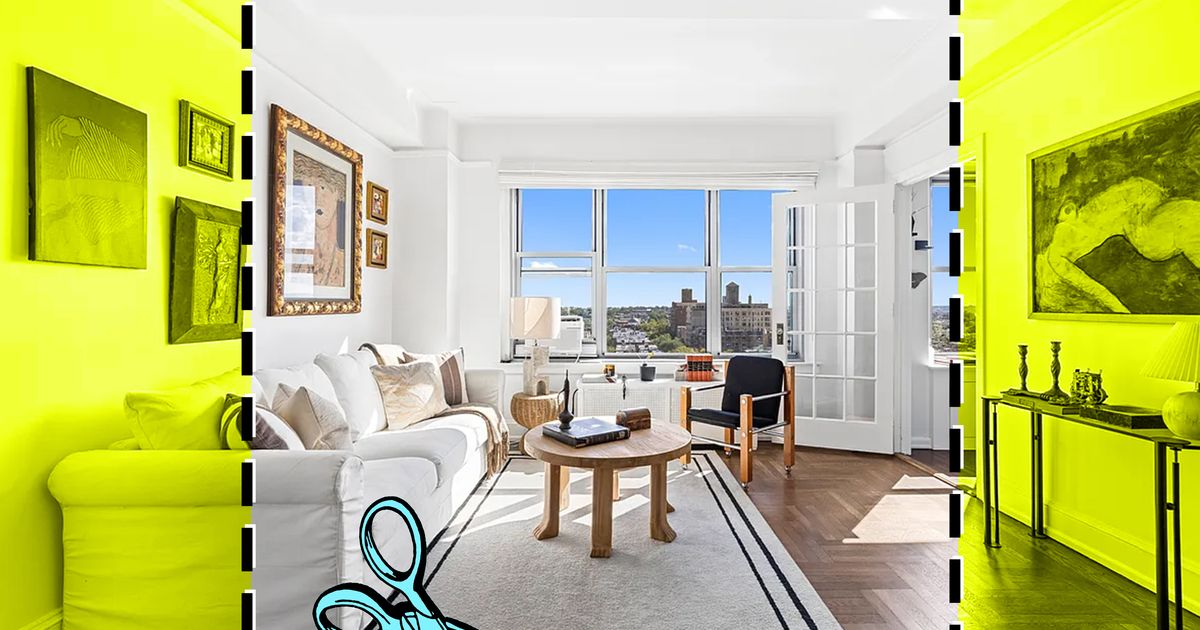
The property at 1 Plaza St. West, Apt. 11B, stands as a prime example of the value proposition found in Brooklyn’s historic districts. Situated in a 1920s Art Deco co-op, the unit encapsulates the period’s penchant for craftsmanship. The building’s lobby remains a preserved time capsule, featuring original terrazzo flooring, dark marble accents, and coffered ceilings.
The apartment itself retains this prewar grandeur through nine-foot-plus beamed ceilings and meticulously maintained herringbone floors. What distinguishes this listing, however, is the integration of modern necessity with historical aesthetics. The galley kitchen has been updated with Carrara-marble countertops and high-end stainless-steel appliances. Perhaps most notably, the south-facing windows offer panoramic views of the New York Harbor and the surrounding church spires, a rarity for units in this price bracket. The monthly maintenance fees, set at $1,913, provide a comprehensive suite of amenities including a full-time doorman, live-in superintendent, and specialized storage, which adds significant value for residents prioritizing convenience and security.
Williamsburg: The Loft Alternative
In contrast to the refined, traditional feel of Park Slope, the loft space at 117 Kingsland Ave., Apt. 3B, offers a glimpse into the industrial-chic aesthetic that has defined Williamsburg’s evolution. This condo, featuring 15-foot ceilings and a massive wall of east-facing windows, appeals to a buyer looking for verticality and flexible living arrangements.
The inclusion of a 264-square-foot windowed loft space underscores a growing trend in urban living: the "flex-room." As remote and hybrid work models have stabilized, the demand for units that can easily transition from a sleeping area to a home office has increased. While the unit faces challenges—namely its distance from the Graham Avenue subway station and proximity to the Brooklyn-Queens Expressway—the addition of a shared roof deck and the proximity to cultural hubs like Brooklyn Steel provide a lifestyle-oriented trade-off that many younger professionals find acceptable.
The Value Proposition of Jackson Heights
While Brooklyn properties often capture the headlines, the Jackson Heights co-op market remains one of the most stable and undervalued sectors in the city. The property at 83-10 35th Ave., known as The Fillmore, highlights why this neighborhood is increasingly favored by those seeking "true" residential space.
Unlike the more compact units found in Manhattan, this two-bedroom co-op offers distinct living and dining wings, a layout that has become increasingly desirable in a post-pandemic market where residents spend more time within their homes. The building’s amenities, which include a live-in superintendent and dedicated music and bike rooms, are supported by monthly charges of $1,182—a figure that is notably competitive compared to Manhattan or prime Brooklyn pricing. The neighborhood’s proximity to the 7 train and the community-led initiatives like Paseo Park on 34th Avenue have turned Jackson Heights into a focal point for families and professionals alike who are priced out of the city’s more expensive corridors.
Challenges in the Digital Age: Virtual Staging and AI
A recurring theme in the current market is the discrepancy between digital representation and physical reality. The listing at 139 W. 85th St. on the Upper West Side serves as a case study for the increasing use of artificial intelligence in real estate photography. While the unit boasts incredible prewar bones, including a 12-foot ceiling, exposed brick, and a wood-burning fireplace, listing photos have been enhanced with AI-driven staging.

Industry experts note that while virtual staging is a common practice to help buyers visualize the potential of a space, it can create unrealistic expectations. A physical walkthrough of the West 85th Street unit reveals that while the structure is sound, certain elements, such as the fireplace tile, may require restorative work. This highlights a critical lesson for prospective buyers: in a market defined by high-interest rates and high prices, due diligence and physical inspections are more important than ever. The Upper West Side property remains a compelling choice, however, due to its location within two blocks of Central Park and the Broadway 1 train, confirming that for many New Yorkers, location remains the primary driver of value.
Market Implications and Future Outlook
The broader implication of these listings is clear: the New York City market is bifurcating. On one side are the ultra-luxury developments that command tens of millions; on the other is a robust, highly competitive market for well-maintained, historic, or uniquely configured units under $1 million.
The stability of these co-ops—many of which have strong financials and long-standing co-op boards—offers a level of security that newer, speculative developments may lack. As the city continues to navigate economic headwinds, these properties provide a baseline for what "attainable" living looks like. Analysts suggest that inventory will remain tight through the end of the year, keeping upward pressure on prices for high-quality units in these specific neighborhoods.
For the prospective buyer, the strategy remains consistent: look for buildings with strong reserves, understand the difference between maintenance fees and common charges, and always prioritize the building’s infrastructure over cosmetic staging. While the hunt for an apartment under a million dollars in New York City remains a challenging endeavor, it is far from an impossible one for those willing to look past the surface and evaluate the long-term potential of the city’s historic housing stock.