The Unstoppable Rise of Country Music: A Look at Its Cultural Dominance and Essential Fan Gifts

The landscape of popular music is currently experiencing a seismic shift, with country music solidifying its position not just as a genre, but as a cultural powerhouse. This resurgence is marked by unprecedented commercial success and a growing influence that extends far beyond its traditional fanbase. From Grammy triumphs to chart-topping artists, country music’s reign is undeniable, and its devoted audience is amplifying its impact.

The genre’s current ascendancy is powerfully underscored by recent milestones. Beyoncé’s critically acclaimed album, Cowboy Carter, achieved a historic Album of the Year win at the Grammy Awards, a testament to the genre’s broad appeal and its ability to transcend traditional boundaries. This landmark achievement signals a pivotal moment, showcasing country music’s capacity for innovation and its growing acceptance within mainstream award ceremonies. Beyond this singular event, the consistent commercial success of artists like Morgan Wallen, who continues to dominate streaming charts and arena tours, and Kelsea Ballerini, a prominent voice in contemporary country, further solidifies the genre’s robust health. These artists, among many others, are not only defining the sound of modern country but are also cultivating deeply engaged fan bases that drive consistent sales, streams, and concert attendance.
The perception of country music has also undergone a significant transformation. Gone are the days when it was considered niche or unfashionable. Today, artists like Lainey Wilson are celebrated for their authentic embrace of country aesthetics and sounds, resonating with a broad audience that appreciates both tradition and evolution within the genre. This cultural acceptance has created a fertile ground for merchandise and gifts that cater specifically to country music enthusiasts, allowing fans to express their passion in tangible ways.

Celebrating Country: Gifts for the Dedicated Fan
In recognition of country music’s enduring popularity and its passionate fanbase, a curated selection of Nashville-centric gifts offers fans a way to connect with their favorite genre. These items range from practical accessories for the touring fan to memorabilia that celebrates the genre’s rich history.
Essential Travel Gear for the Country Connoisseur
For the country music lover who frequently travels to festivals or visits Music City, practical yet stylish accessories are a must. A prime example is the Anysiny Cowboy Hat Box for Travel. This durable case is designed to protect cherished cowboy hats, keeping them in pristine condition whether en route to a concert or on a cross-country road trip. Its crush-resistant and water-resistant construction ensures that hats remain safe from the elements, while adjustable straps offer convenient portability. Beyond cowboy hats, it accommodates other brimmed styles like fedoras and sun hats, making it a versatile accessory for any fashion-conscious country fan. The inclusion of a detachable shoulder strap further enhances its practicality, allowing it to function as an easy personal item for air travel.

Immersing in Country Music History
Understanding the roots and evolution of country music enriches the fan experience. A perfect gift for the history enthusiast is "100 Years of Grand Ole Opry: A Celebration of the Artists, the Fans, and the Home of Country Music." This comprehensive book delves into the storied legacy of the Grand Ole Opry, a cornerstone of American music history since 1925. Through rarely seen photographs and intimate behind-the-scenes anecdotes, the book offers a compelling narrative of the artists, fans, and cultural impact of this iconic institution. It serves as an ultimate historical record for dedicated country music aficionados, providing deep insights into the genre’s most significant performances and moments.
Nostalgic Tributes and Modern Homages
The enduring appeal of country music is often tied to its iconic artists and memorable lyrics. For fans who appreciate the genre’s golden eras, thoughtful gifts can evoke both nostalgia and contemporary appreciation.

The "Hotter Than A Hoochie Coochie" 90s Country Retro Insulated Can Cooler is a playful nod to a classic era. Featuring lyrics from Alan Jackson’s hit "Chattahoochee," this can cooler not only keeps beverages refreshingly cold but also serves as a conversation starter, celebrating the carefree spirit of 90s country music. It’s an ideal accessory for tailgating, backyard barbecues, or any occasion where good tunes and cold drinks are a priority.
For those who admire the lyrical prowess and storytelling of country legends, Kenny Chesney’s Heart Life Music: A New York Times Bestselling Memoir offers an intimate look into the life of one of country music’s most beloved stars. This bestseller chronicles Chesney’s journey from his humble beginnings in Knoxville, Tennessee, to superstardom, sharing personal anecdotes and the inspiration behind his chart-topping songs. The memoir provides a glimpse into the challenges and triumphs that shaped his career, offering a deeply personal connection for his fans.

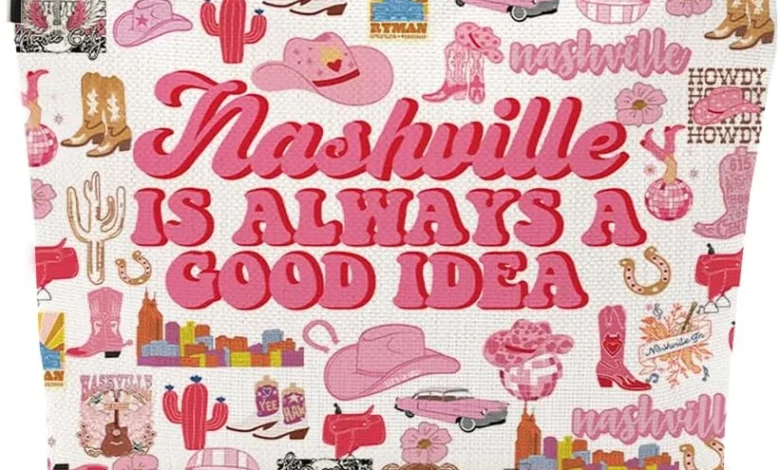
The cultural impact of country music extends to its fashion and visual iconography. A DJHUNG Nashville Travel Cosmetic Bag offers a stylish way for fans to carry their essentials, adorned with classic country motifs like cowboy hats, boots, and horseshoes. This theme resonates with the spirit of Music City and makes for a practical yet thematic gift for anyone planning a trip to Nashville or simply cherishing the country lifestyle.
Iconic Figures and Enduring Anthems
Tributes to country music’s most influential figures are always a welcome addition to a fan’s collection. The "What Would Dolly Do?" Neon Sign is a vibrant and inspirational piece that captures the essence of country music icon Dolly Parton. This eye-catching sign serves as a constant reminder of Parton’s enduring legacy of kindness, resilience, and sparkle. Its easy installation and dimmer switch add to its appeal, making it a standout decorative item for any fan’s home or music room.

Beyoncé’s foray into country music with Cowboy Carter has also inspired a new wave of merchandise. The Cowboy Carter Beyonce-Inspired Sash allows fans to channel the iconic album cover’s aesthetic, featuring a red, white, and blue design that evokes patriotic and Western themes. This sash is a unique way to celebrate Beyoncé’s groundbreaking contribution to the genre and her ability to blend musical worlds.
The legacy of artists like The Chicks continues to resonate, and fan apparel often reflects this. A The Chicks-Inspired T-Shirt, featuring a quote from their iconic song "Goodbye Earl," appeals to fans of early 2000s country music and serves as a powerful statement piece. Similarly, the I Got A Heart Like A Truck V Neck Shirt, referencing Lainey Wilson’s hit, offers a stylish and modern way for fans to express their appreciation for contemporary country artists.

Footwear and Apparel: Stepping into the Country Vibe
Authentic country style often includes iconic footwear and apparel. The IUV Cowboy Boots For Women offer a blend of Western charm and contemporary comfort. With suede uppers and stylish block heels, these boots are designed to turn heads and complement any country-inspired outfit, whether attending a concert or enjoying a night out.
For fans of current chart-toppers, official merchandise is a popular choice. An Official Morgan Wallen Guitar Photo T-Shirt allows fans to show their support for one of country music’s biggest stars. Available in various colors and sizes, this tee features a classic black-and-white image of Wallen with his guitar, making it a simple yet effective way to represent a modern country icon.

Even for those who prefer a more understated approach to country style, accessories like the "This is my Cowboy Hat" Baseball Cap provide a subtle nod to the genre. This distressed gray cap, with bold lettering, is perfect for fans who appreciate the country aesthetic without committing to a full cowboy hat. It’s an ideal accessory for outdoor concerts or casual wear, embodying the spirit of country music in a versatile form.
The enduring impact of artists like Toby Keith is celebrated through items like the Red Solo Cup Toby Keith Neon Sign. This vibrant sign pays homage to one of Keith’s most recognizable anthems, serving as a warm tribute to a beloved artist. It’s a fitting piece for any fan’s collection, evoking memories of his legendary performances and his significant contributions to country music.

Introducing the Next Generation of Country Fans
Fostering a love for country music begins at an early age. "The Story of Country" Children’s Book is an excellent resource for introducing young listeners to the genre’s greatest artists. Through charming illustrations and engaging narratives, this book covers the histories of influential figures like Dolly Parton, Johnny Cash, Carrie Underwood, and Garth Brooks, making country music accessible and fun for toddlers and young children. Its durable pages ensure longevity, allowing it to become a cherished part of a child’s library.
For aspiring country enthusiasts, the Willie Nelson: A Little Golden Book Biography offers an inspiring introduction to one of the genre’s most iconic figures. This beautifully illustrated book recounts Nelson’s journey, highlighting his commitment to his music, his personal style, and his philanthropic endeavors. It’s a heartwarming read that teaches valuable lessons about authenticity and perseverance.

Everyday Expressions of Country Passion
Beyond specific artists, general expressions of country pride are highly sought after. The "Country Music and Beer That’s Why I’m Here" T-Shirt perfectly encapsulates a common sentiment within the country music community, celebrating the harmonious pairing of good music and good times. Available in a wide range of sizes and colors, this shirt is a casual yet effective way for fans to declare their love for the genre.
For fans of more alternative country sounds, Orville Peck Tote Bags offer a unique tribute to the enigmatic masked singer. These tote bags feature a design inspired by Peck’s signature fringe mask, a distinctive symbol of his artistic identity. They are a stylish and practical accessory for carrying essentials while celebrating the evolving and diverse landscape of country music.

The intersection of country music and its cultural touchstones is further celebrated with items like the Wine Barrel Guitar Rack. Crafted from reclaimed wine barrel staves, this unique piece artfully blends the appreciation for fine wine, often referenced in country lyrics, with the reverence for musical instruments. It’s a sophisticated and rustic addition to any home, perfect for displaying a beloved guitar while evoking the spirit of country songwriting.
Finally, for those who appreciate the deeper cuts and cultural commentary within country music, a Hank Williams Jr. Inspired T-Shirt featuring the lyric "Cause You See I’m a Dinosaur" offers a nod to a classic, albeit controversial, track. This shirt can appeal to fans of the original song or those who appreciate the modern reinterpretation by artists like Adam Mac, making it a statement piece for those who embrace bold expressions of country identity.

The sheer variety and thoughtfulness of these gift ideas underscore the vibrant and multifaceted nature of country music fandom. As the genre continues its impressive trajectory, these items serve not only as tokens of appreciation but also as reflections of a culture that is deeply rooted in storytelling, authenticity, and a passionate connection to its artists and their music. The ongoing success of country music, evidenced by its chart dominance and cultural influence, suggests that the demand for such meaningful fan engagement will only continue to grow.
Related posts: