Beyond the Uniform: How Music and Personal Narratives Deepen Our Understanding of Veterans Day

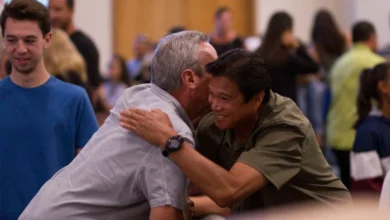
The phrase “Thank you for your service” has become a familiar, almost reflexive refrain in modern American life. Whether exchanged at a bustling airport terminal, across a retail checkout counter, or in passing hotel hallways, the sentiment is offered with genuine appreciation, yet it is rarely accompanied by the time or space required for a substantive exchange. The daily rush of modern society dictates that expressions of gratitude remain concise, functioning more as brief acknowledgments than deep engagements. However, formal commemorations such as Veterans Day provide a vital institutional pause, offering communities an opportunity to reflect more profoundly on the sacrifices inherent in military service. Within these solemn gatherings, music frequently serves as a bridge, extending the moment of reflection and allowing individuals to process the complex realities of service through shared auditory experiences.
The Role of Ceremonial Music in Public Remembrance
Across the United States, annual Veterans Day ceremonies rely heavily on traditional music to frame public remembrance. When a bugler raises a trumpet to play “Taps,” the immediate effect on a crowd is palpable. Conversations cease, heads are bowed in reverence, and collective attention turns toward either the flag or the musician. Yet, the psychological impact of those twenty-four notes is deeply individualistic. For a veteran attending the funeral of a fallen comrade, the haunting melody can evoke acute grief and painful memories. Conversely, for a child experiencing their first formal memorial, the sudden silence prompts a quiet inquiry, requiring a parent to explain the gravity of the moment. While the acoustic experience is shared by everyone present, the internal emotional landscape varies widely among the audience, highlighting the diverse ways communities process collective trauma and honor.
Similarly, the performance of the national anthem gathers citizens under a shared banner, albeit with varied personal engagement. While some attendees sing with robust confidence, others quietly search for a comfortable vocal range or stand in respectful silence. In a nation characterized by profound political and cultural disagreements, these few minutes of synchronized attention represent a rare moment of civic cohesion. Observers frequently note the visible effort required for a diverse crowd to sing in unison, even as questions linger regarding those who choose not to stand. Rather than dividing communities, these public observances underscore the complex tapestry of American citizenship, where differing perspectives coexist within formal acts of patriotism.
The Dual Nature of Military Service and Post-Service Realities
Moving beyond ceremonial observances requires a deeper examination of the individuals who wear the uniform. Veterans transition back to civilian life with an expansive spectrum of emotional and psychological experiences. While some former service members are eager to recount their time in the armed forces, others maintain a strict boundary, preferring not to revisit those years—particularly with casual acquaintances or strangers. Psychological studies indicate that pride in service frequently coexists with grief, operational stress, and post-traumatic adjustments. Lifelong bonds forged in barracks often run parallel to lingering, unanswered questions regarding the events witnessed during deployment.
Understanding this duality is essential for accurate public discourse. According to data compiled by the Department of Veterans Affairs and veteran advocacy groups, the transition from active duty to civilian life involves navigating complex institutional systems, healthcare needs, and employment landscapes. Veterans often report that while public appreciation is widespread, the depth of understanding regarding the realities of military life remains superficial. Bridging this gap requires moving beyond generalized expressions of gratitude and fostering environments where veterans feel empowered to share their stories on their own terms.
The Conversational Power of Melody and Memory
Music often serves as an unexpected catalyst for these deeper conversations. For many veterans, a specific song can instantly transport them back to their time in service—whether it was a universally disliked track played endlessly in the barracks, a comforting melody listened to through headphones during prolonged deployments, or a recording sent from home that provided a lifeline of connection. In many cases, a seemingly trivial popular song from a specific era can evoke the memory of a comrade or a loved one waiting back home far more vividly than any formal military tribute.
Recent community outreach programs have begun incorporating armed forces medleys into Veterans Day events, yielding surprising and inspiring results. Audiences—including veterans and civilians alike—frequently discover that they retain the lyrics and melodies of service anthems long after leaving active duty. These musical touchstones evoke powerful visual memories and serve as a reminder of the collective body of citizens who have sustained American democracy across generations.
Music has a universal capacity to unlock personal history. A few bars of a familiar tune can transport any individual back to a childhood kitchen, a college campus, or a forgotten road trip. For a veteran, however, the soundtrack of their service years may carry complex emotional weight, encompassing feelings of nostalgia, loss, or trauma. Posing a simple question such as, “What did you listen to back then?” offers service members the autonomy to decide where their narrative begins and how much they wish to disclose. Often, the resulting conversation bypasses the harsher realities of combat entirely, focusing instead on the universal experiences of being young, missing home, or discovering music that would become a lifelong companion.
Expanding Community Engagement Beyond Traditional Tributes
To foster more meaningful connections, educators, civic leaders, and families are exploring innovative ways to observe Veterans Day. Educational institutions have begun inviting veterans into classrooms not merely to deliver formal lectures, but to share a specific piece of music that defined a period of their lives and discuss its personal significance. Similarly, community arts organizations are curating concerts featuring song selections suggested by local veterans, paired with the personal stories behind those choices. Within family settings, listening to historical recordings together offers an organic opportunity for younger generations to ask questions they might not have otherwise considered.
These initiatives align with recommendations from sociologists and mental health professionals who emphasize narrative-based approaches to community healing and integration. By allowing veterans to steer the conversation—focusing on art, culture, and personal milestones rather than solely on conflict—communities can dismantle existing barriers and foster genuine empathy.
Civic Responsibility and the Broader Implications of Service
Ultimately, public commemorations serve as a reminder of the broader civic responsibilities incumbent upon all citizens. The preservation of democratic ideals, including freedom, equality, the rule of law, and human dignity, relies heavily on the active participation of the populace in ordinary civic life. Honoring military service extends far beyond ceremonial flag-raisings and musical tributes; it requires a sustained commitment to caring for veterans and their families, ensuring access to comprehensive mental and physical healthcare, and critically examining how faithfully society upholds the principles invoked during national holidays.
As communities prepare for Veterans Day observances, the integration of personal narratives and shared musical experiences offers a pathway toward a more cohesive and empathetic society. By looking beyond the uniform and listening to the individual stories embedded in America’s cultural soundtrack, citizens can honor the past while actively working toward a more perfect union.