Sony Implements Strict Lottery System in Japan for PS5 Pro Purchases as Anticipation for Grand Theft Auto VI Triggers Severe Shortages

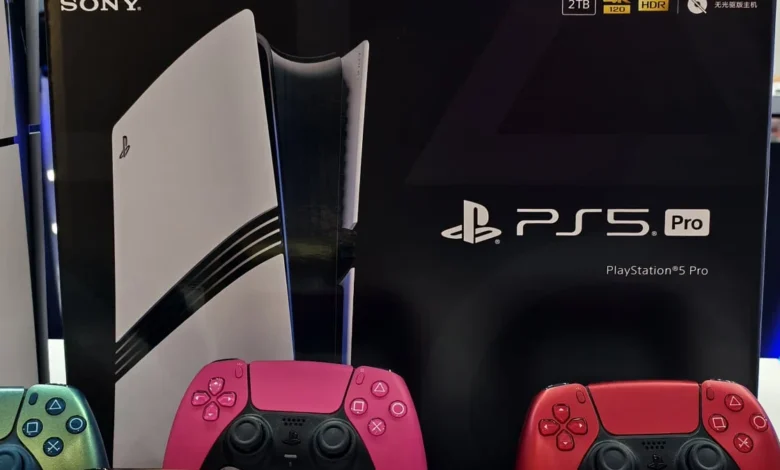
The global gaming industry is currently experiencing a massive surge in hardware demand, driven primarily by the impending release of Rockstar Games’ highly anticipated blockbuster, Grand Theft Auto VI. While the title is slated to launch across multiple gaming platforms, enthusiasts eager to experience the open-world masterpiece at its highest possible performance levels have heavily targeted Sony’s flagship mid-generation hardware refresh, the PlayStation 5 Pro. Consequently, this unprecedented rush has resulted in severe console shortages across the Japanese domestic market, prompting the hardware manufacturer to take drastic preventive measures to ensure fair distribution and combat predatory scalping practices.
To address the inventory crisis and keep consoles out of the hands of automated bot networks and opportunistic resellers, Sony Interactive Entertainment has instituted a strict lottery system. However, meeting the standard application requirements is not enough; the company has introduced an unprecedented prerequisite designed to reward genuinely dedicated platform loyalists. Consumers hoping to secure an allocation must demonstrate a proven history of active engagement within the PlayStation ecosystem before they are even permitted to enter the purchasing queue.
The 60-Hour Playtime Mandate: A Barrier Against Scalpers
Under the parameters established by Sony for the official Sony Store lottery in Japan, prospective buyers must link a verified PlayStation Network account that displays a minimum of 60 hours of confirmed gameplay. This tracked activity must have taken place on either PlayStation 4 or PlayStation 5 hardware between September 27, 2024, and the application deadline.
This stringent requirement represents a significant departure from standard retail product rollouts, where anyone with an internet connection and a credit card can attempt to make a purchase. By filtering applicants through historical engagement metrics, Sony is effectively cutting off multi-account scalpers who rely on mass-registration scripts to hoard scarce consumer electronics. Industry analysts note that while this policy may frustrate casual consumers or newcomers who recently migrated to the ecosystem, it serves as a robust defense mechanism to protect true gaming enthusiasts from paying exorbitant secondary-market markups.
Chronology of the Release and Purchase Window
The timing of Sony’s lottery rollout is tightly synchronized with the calendar leading up to the holiday shopping season and the launch of Rockstar Games’ marquee title. The critical dates governing the Japanese PS5 Pro allocation process outline a compressed timeline for prospective buyers:
- September 2024 – September 2026: The active tracking window during which users must accumulate the mandatory 60 hours of recorded gameplay on PS4 or PS5 consoles to qualify for lottery entry.
- Early October: The official application window closes on October 7, giving eligible consumers a strictly defined period to submit their purchase requests through the Sony Store platform.
- Late October: Sony will notify selected lottery winners by October 26, granting them the official right to complete their transactions.
- Early November: Successful participants will have their consoles shipped and delivered during the first half of November, arriving just in the nick of time.
- November 19: Grand Theft Auto VI officially releases worldwide, marking the ultimate destination for the newly acquired hardware.
This precise scheduling ensures that winners will have their consoles unboxed, updated, and fully prepared weeks before they embark on their return to the fictional streets of Vice City.
The Grand Theft Auto VI Effect on Hardware Demand
The correlation between major software releases and hardware shortages is a well-documented phenomenon within the video game industry, but the scale surrounding Grand Theft Auto VI is entirely unprecedented. As the successor to GTA V—one of the most financially successful entertainment products of all time—GTA VI carries monumental cultural and economic weight.
Rockstar Games has promised unprecedented levels of graphical fidelity, complex physics simulations, dense crowds, and advanced ray-tracing capabilities within the game’s sprawling setting of Leonida. Achieving optimal frame rates and visual clarity under such heavy computational loads has led many players to conclude that base-model consoles may struggle to deliver the definitive experience. Consequently, the PlayStation 5 Pro—featuring a substantially upgraded graphics processing unit, advanced ray tracing, and PlayStation Spectral Super Resolution (PSSR) AI-driven upscaling—has become the definitive object of desire for performance-conscious gamers.
This intense concentration of demand onto a single hardware SKU, combined with ongoing semiconductor supply chain nuances and regional market allocation strategies, created an immediate supply deficit in Japan. Retailers across Tokyo and other major metropolitan areas quickly exhausted their initial preorder allotments, leaving traditional storefronts empty and opening the door for speculative pricing on auction websites.
Industry Implications and Future Market Outlook
Sony’s decision to gate hardware purchases behind proof of active platform engagement could set a new precedent for how consumer electronics manufacturers handle high-demand product launches. Historically, companies have relied on CAPTCHA verifications, queue systems, or simple first-come, first-served web designs—all of which have repeatedly failed against sophisticated bot operations.
By tying purchasing privileges to user history, Sony is prioritizing customer lifetime value and brand loyalty over immediate, indiscriminate sales volume. Market researchers are closely monitoring the Japanese rollout to determine whether similar verification mechanisms will be adopted in North American, European, and other international markets should shortages persist globally.
As the industry counts down the final weeks to November 19, the spotlight remains fixed on both Rockstar Games and Sony. For the fortunate winners of the Sony Store lottery, the convergence of advanced hardware and generational software will arrive right on schedule. For everyone else, navigating the secondary market or waiting for subsequent inventory replenishments will remain a formidable challenge in one of the most competitive holiday gaming seasons in history.
Related posts: