This scenario, while nightmare-inducing, has become a recurring reality for many New Yorkers navigating a housing market defined by record-low vacancy rates and astronomical competition. According to a criminal indictment unsealed by the Queens District Attorney’s Office, a Long Island man named Rajat Verma allegedly orchestrated a sophisticated rental fraud scheme that operated for over a year, systematically exploiting the desperation of those seeking housing in one of the world’s most expensive cities.
The Anatomy of the Alleged Scheme
Rajat Verma, a 35-year-old resident of Franklin Square, allegedly utilized a multi-layered strategy to defraud at least 15 victims between September 2022 and November 2023. The scheme, as detailed by prosecutors, was not merely a simple "fake listing" operation; it involved a calculated impersonation strategy.
The chronology of the fraud began with Verma allegedly scouting legitimate rental properties in Queens and Brooklyn. He would then apply for these apartments, presenting himself as a prospective tenant. Upon successfully securing access to these units—often by providing landlords with fraudulent checks—he would immediately pivot. Before the landlords realized the initial payments were invalid, Verma would take control of the digital narrative.
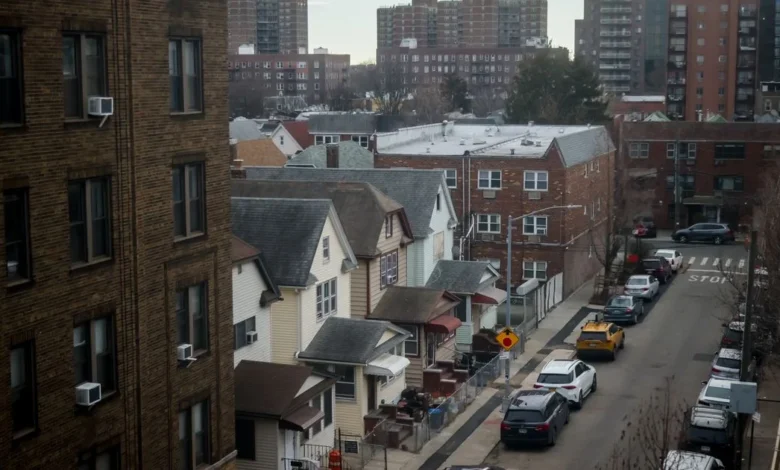
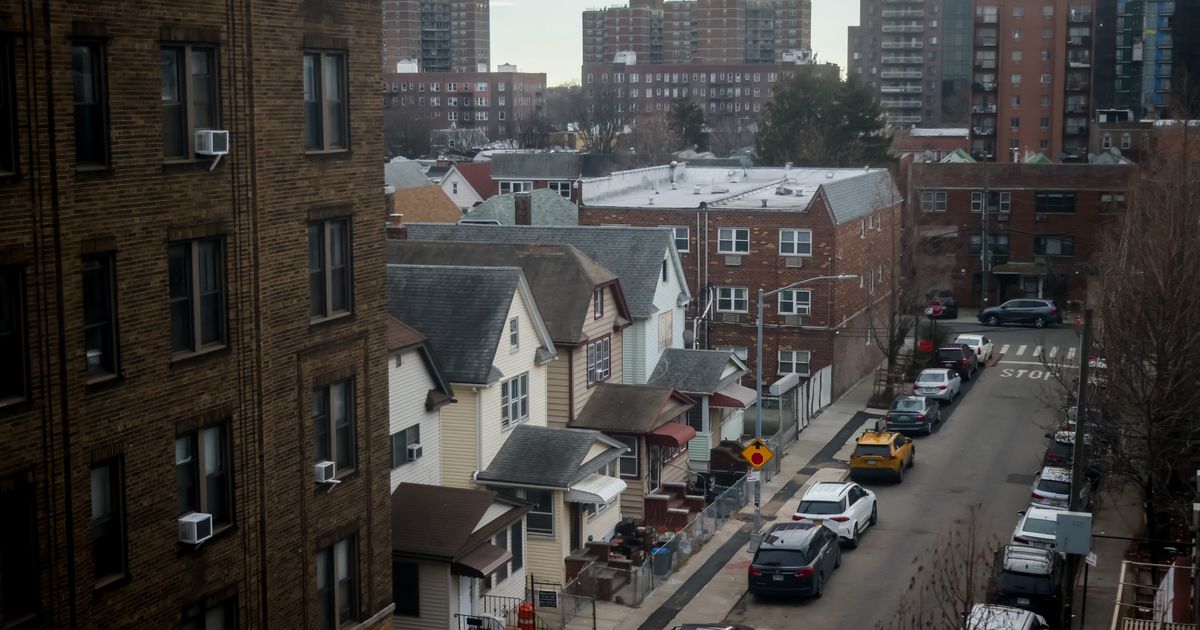
He assumed at least a dozen different personas, including "Bobby Gupta," "Dave Mair," and "Samir," to market the very apartments he had just fraudulently obtained. By acting as an intermediary, he convinced victims that he was a legitimate broker authorized to lease the units. The victims, eager to secure housing in high-demand areas ranging from Maspeth and College Point to Bay Ridge, paid significant sums in security deposits and rental fees.
The depth of the deception was such that in one documented instance, a victim arrived at their new home only to discover that another family—who had also been defrauded by Verma—was already occupying the unit. In total, authorities allege that Verma swindled his victims out of approximately $61,625.
Legal Repercussions and Defense
Following an investigation by the Queens District Attorney’s Office, Verma is now facing serious legal consequences. The charges against him include fraud, identity theft, and grand larceny. If convicted on all counts, he faces up to seven years in a state correctional facility.
"This defendant took advantage of those seeking housing by purporting to be a real-estate agent and renting out properties that did not belong to him," Queens District Attorney Melinda Katz stated during the announcement of the indictment. "The unsuspecting tenants gave him payments and signed phony leases that left them without their money and housing."
The defense, led by attorney Joseph Grasso, has taken a firm stance against the allegations. In a statement provided to the press, Grasso denied the claims of wrongdoing, characterizing his client as a "devoted husband, father, and family man who resides with and helps care for his elderly parents." The defense is expected to challenge the prosecution’s evidence as the case proceeds through the Queens Supreme Court.
A Symptom of a Strained Housing Market
The case of Rajat Verma is not an isolated incident; rather, it is a symptom of a broader crisis within the New York City rental market. Recent data from the New York City Department of Housing Preservation and Development indicates that the citywide vacancy rate has reached a historic low of 1.4 percent. This extreme scarcity of available units has created an environment where prospective tenants are often forced to move quickly, sometimes bypassing the standard due diligence processes that would otherwise protect them from scams.
When housing supply is critically low, the power dynamic shifts heavily toward landlords and brokers, leaving renters vulnerable. Criminals have identified this as a "fertile ground for fraud," as Manhattan District Attorney Alvin Bragg noted during a 2026 interview with Crain’s New York. The urgency to secure an apartment before another applicant does often clouds the judgment of even the most cautious renters.
Other recent high-profile cases underscore this trend. Earlier this year, a man named Juan Valoy was sentenced to prison after pleading guilty to a scheme that netted him over $100,000 from nearly two dozen victims across Manhattan and the Bronx. Similarly, Nicholas Fuelling was convicted for a sublease scam in Hell’s Kitchen that left 17 people out of pocket by roughly $50,000, with some victims being left temporarily homeless.

Protecting Against Rental Fraud
While the burden of preventing these crimes lies heavily on law enforcement and the regulation of the real estate industry, consumer advocates suggest several strategies to minimize risk.
- Verify Licensing: The New York Department of State maintains a public online database of all licensed real-estate brokers and salespersons. If an individual claims to be an agent, their name should appear in this registry.
- Digital Verification: A quick search of the broker’s name, phone number, and email address can often reveal red flags. Scammers often reuse contact information across multiple fake listings.
- Physical Inspection: Never sign a lease or provide a deposit for an apartment that has not been toured in person. If a "broker" creates artificial urgency—claiming the unit must be booked immediately without a viewing—it is a major red flag.
- Payment Security: Avoid paying deposits via untraceable methods such as cash, wire transfers, or cryptocurrency. Always request a formal receipt and ensure the transaction is documented through a verifiable bank account or platform.
- Trust Your Instincts: If a rental price seems too good to be true, it likely is. If the interaction with the broker feels "sketchy" or rushed, it is often better to lose the apartment than to lose a significant financial investment.
Implications and Future Outlook
The indictment of Verma highlights the need for more robust oversight of the residential rental sector in New York. As the city continues to grapple with housing shortages, the motivation for criminals to exploit the market remains high. Prosecutors and industry experts alike are calling for increased public awareness campaigns and better integration between law enforcement agencies to track and apprehend serial fraudsters before they can inflict financial harm on dozens of families.
For the victims of the Verma scheme, the path to restitution remains uncertain, as the recovery of funds in fraud cases is notoriously difficult. As the case moves toward trial, it serves as a stark reminder that in a city where the housing market is a high-stakes game of speed and competition, the most important asset for a renter is not just their credit score, but their skepticism.
The Queens District Attorney’s Office has encouraged anyone who believes they may have been a victim of similar scams to come forward, as the number of impacted individuals could potentially be higher than currently identified. The outcome of this trial will likely be viewed as a litmus test for the effectiveness of the legal system in deterring predatory behavior within the volatile New York real estate landscape.
Related posts: