Met Police Open Formal Investigation into British Comedian David Walliams Following New Sexual Misconduct Allegations

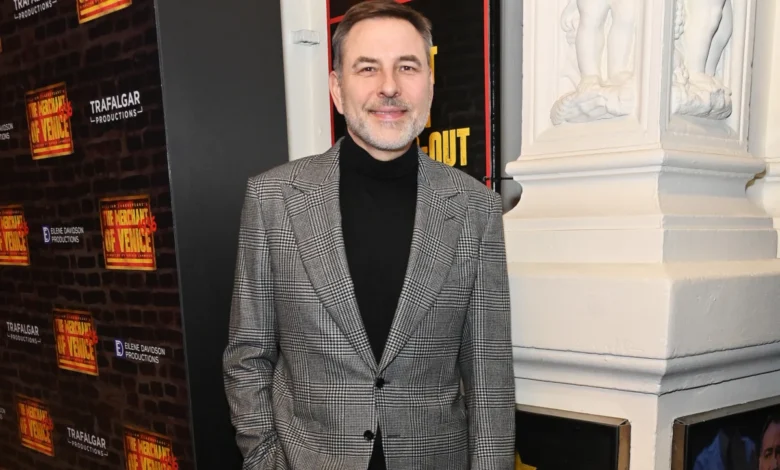
London’s Metropolitan Police Service has officially launched a criminal investigation into British comedian, author, and television personality David Walliams, following a series of serious non-recent sexual offense allegations. The development marks a dramatic escalation in the public scrutiny surrounding the former Little Britain star, shifting the narrative from high-profile journalistic exposés into the domain of active law enforcement.
The Metropolitan Police confirmed to British broadcasting authorities that detectives are currently probing "a number of allegations of non-recent serious sexual offenses involving a man now in his fifties." While police protocol prevented officers from explicitly naming the individual prior to formal charges, the timeframe, demographic details, and concurrent police statements directly correspond to the active allegations leveled against the 53-year-old entertainer.
The Genesis of the Scandal: Investigative Reporting
The current criminal inquiry follows closely on the heels of a joint investigative report published earlier in the week by The Guardian and ITV News. That explosive journalistic piece featured harrowing testimonies from more than 30 individuals—comprising former colleagues, industry insiders, and members of the public—who accused Walliams of systematically leveraging his immense celebrity status, wealth, and industry dominance to prey upon vulnerable women and teenagers over the course of his decades-long career in television and entertainment.
According to the joint media report, the alleged misconduct spanned various professional environments, including television sets, production offices, and social circles associated with the British entertainment industry. The informants detailed patterns of predatory behavior, boundary violations, and the abuse of power dynamics that left many victims feeling professionally isolated and psychologically intimidated.
The Metropolitan Police Investigation and Separate Inquiries
Law enforcement officials have clarified that the specific criminal complaints currently driving the Metropolitan Police’s investigative docket are technically distinct from the accounts published by The Guardian and ITV News.
Detective Superintendent Mike Cagney, who is leading the specialized investigative team handling the case, emphasized that the current formal police complaints represent a separate pool of allegations. However, Cagney confirmed that detective units are proactively reviewing the published journalistic accounts as part of a wider intelligence-gathering operation to determine whether additional criminal offenses can be substantiated or linked to the broader pattern of behavior.
"We would encourage anyone who has been the victim of a sexual offense to come forward and speak to us, no matter when it happened," Detective Superintendent Cagney stated in a public appeal. "We know reporting allegations of this nature can be daunting, but specialist officers are on hand to provide support, answer questions, and guide you through the process."
The Met’s Sexual Offences, Exploitation and Child Abuse Command is currently spearheading the inquiries, deploying specially trained officers to engage with complainants, evaluate historical evidence, and establish a comprehensive investigative timeline.
David Walliams’ Response and Public Statements
To date, David Walliams has not been formally arrested or charged in connection with any criminal offenses. Following the initial publication of the investigative reports by The Guardian and ITN, representatives for the comedian issued formal statements denying the primary accusations of predatory and non-consensual criminal conduct.
However, Walliams’ response also included a partial concession regarding his personal conduct within past relationships. In a statement addressing the media coverage, Walliams admitted that he had occasionally "behaved thoughtlessly towards other people I had casual sexual relationships" and acknowledged that he "did not always take people’s feelings into proper account." He concluded his public acknowledgment with the statement: "That is something I regret."
Legal analysts note that while such admissions fall short of confessing to criminal liability, public statements regarding interpersonal conduct and regret are frequently scrutinized by defense teams and prosecutors alike as investigations progress through evidentiary phases.
Chronology of Events
The unfolding crisis surrounding David Walliams can be traced across a rapidly accelerating timeline of public allegations, media scrutiny, and institutional response:
- Late 2000s to 2010s: The period during which a significant portion of the non-recent allegations are alleged to have occurred, corresponding with the peak of Walliams’ television success on programs such as Little Britain and Britain’s Got Talent.
- Early November 2026: Investigative journalists at The Guardian and ITV News finalize months of corroborative interviews, compiling testimonies from more than 30 accusers detailing historical misconduct.
- Mid-November 2026: The joint investigative report is published, sending shockwaves through the British entertainment landscape and prompting immediate calls for accountability from advocacy groups.
- Friday, November 2026: The Metropolitan Police Service formally announces the opening of an investigation into non-recent serious sexual offenses involving a man in his fifties, acknowledging coordination with ongoing media reporting.
- Present Day: Specialized detectives continue to review historical evidence, interview potential witnesses, and urge additional complainants to step forward under the protection of specialized support officers.
Broader Industry Implications and Cultural Reckoning
The police investigation into David Walliams arrives at a sensitive cultural juncture for the British entertainment and media industries, which have faced intense pressure in recent years to root out systemic abuses of power and address a historical culture of impunity for prominent figures.
Over the past decade, British broadcasting networks, theatrical institutions, and talent agencies have enacted sweeping reforms, introducing mandatory behavioral codes of conduct, independent reporting hotlines, and zero-tolerance policies regarding sexual harassment and workplace bullying. Despite these institutional updates, critics argue that historical accountability remains difficult to achieve, particularly when powerful personalities maintain extensive networks of legal and public relations protection.
The allegations against Walliams carry substantial weight due to his ubiquity in British popular culture. Rising to prominence as the co-creator and star of the groundbreaking sketch comedy series Little Britain alongside Matt Lucas, Walliams subsequently cemented his status as a mainstream household name through a long-running tenure as a judge on ITV’s premier talent competition, Britain’s Got Talent, as well as his prolific career as a best-selling author of children’s literature.
The potential fallout from a prolonged criminal investigation threatens to impact not only his ongoing television career and publishing contracts, but also prompts difficult questions regarding institutional oversight within the production companies and networks that platformed him during the years in question.
Legal Context and Next Steps for Complainants
As the investigation enters its active phase, legal experts emphasize that the threshold for bringing historical sexual offenses to trial involves rigorous evidentiary standards. Non-recent—or historical—allegations often rely heavily on contemporaneous notes, diary entries, digital communications, and corroborating witness statements rather than physical forensic evidence, which typically degrades or disappears over long periods.
Despite these inherent legal complexities, police services across the United Kingdom have increasingly dedicated specialized resources to historical abuse units, encouraging victims to come forward regardless of the time elapsed since the alleged incidents occurred.
The Metropolitan Police have reiterated that their appeal for information remains open. Investigators have urged any individuals possessing relevant information concerning Walliams’ conduct to contact specialized support teams directly, ensuring that complainants are provided with psychological and logistical assistance throughout the investigative process.
As the inquiry unfolds, the case serves as another stark reminder of the enduring scrutiny facing cultural icons accused of historical misconduct, signaling that institutional power and past celebrity status no longer guarantee immunity from formal criminal investigation.