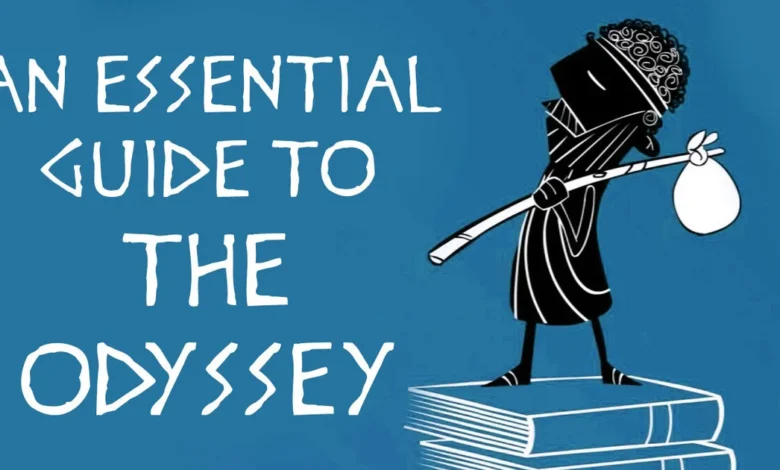
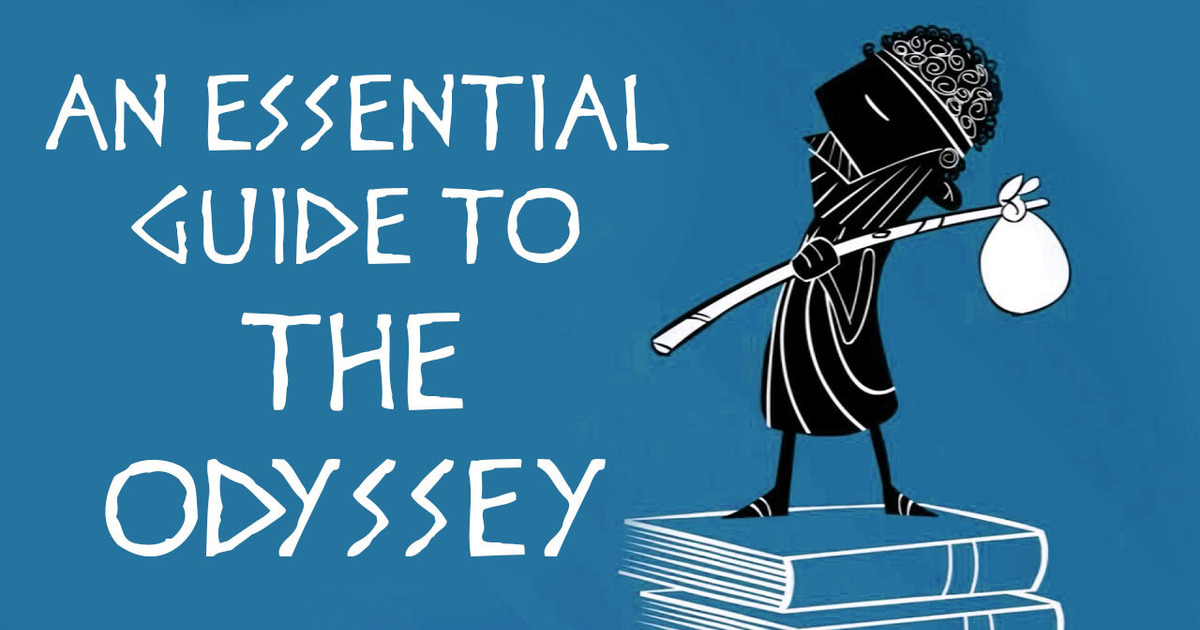
The Odyssey, one of the foundational texts of Western literature, continues to exert a profound influence on modern cultural narratives, pedagogy, and historical inquiry. Attributed to the blind poet Homer and composed roughly in the 8th century BCE, the epic serves as a cornerstone of ancient Greek mythology. As contemporary audiences continue to engage with these stories through modern adaptations, films, and literature, there remains a significant demand for scholarly resources that bridge the gap between ancient oral traditions and modern analytical understanding. This guide examines the essential components of the Odyssey, the historical debates surrounding its setting, and the ongoing academic efforts to contextualize its mythological elements.
The Historical and Literary Framework of the Homeric Epics
The Odyssey is a 12,000-line epic poem that recounts the decade-long journey of the Greek hero Odysseus as he attempts to return to his home in Ithaca following the fall of Troy. Its composition marks a critical transition in human history, occurring as ancient Greek culture moved from a strictly oral tradition—where poets like Homer memorized and recited vast narratives—to the adoption of the Phoenician alphabet, which allowed these works to be transcribed.
The text is structured as a "nostos," or homecoming narrative, yet it functions as an intricate exploration of identity, justice, and the relationship between humanity and the divine. The poem is characterized by the use of "dactylic hexameter," a rhythmic structure that provided mnemonic aids for performers. Scholars have long noted that the poem is not merely a travelogue but a sophisticated psychological study of a king displaced by war, grappling with the trauma of combat and the complexities of domestic reintegration.
Chronology of the Trojan Cycle
To understand the Odyssey, one must first place it within the broader "Epic Cycle." The narrative timeline is as follows:
- The Origin of the Conflict: The abduction of Helen of Sparta by Paris of Troy initiates a massive Greek mobilization.
- The Siege of Troy: A ten-year conflict described in the Iliad, culminating in the destruction of the city via the Trojan Horse strategy.
- The Return (The Odyssey): Odysseus spends another ten years navigating a series of supernatural and human obstacles before finally reclaiming his throne.
- The Post-Homeric Period: Later Greek writers, including Virgil in the Aeneid, expanded upon these events, further cementing the status of the Trojan War as the defining epoch of the ancient Mediterranean.
The Archaeological Debate: Did Troy Exist?
A recurring point of inquiry in both popular and academic circles is the veracity of the geographical settings described by Homer. For centuries, the city of Troy was largely considered a mythological construct. However, in the late 19th century, archaeological excavations led by Heinrich Schliemann at Hisarlik, in modern-day Turkey, unearthed a site with multiple layers of occupation.
Modern archaeological data indicates that a city existed at this location during the late Bronze Age, displaying clear evidence of fire and destruction consistent with a military siege. While historians remain cautious about equating the archaeological "Troy VI" or "VIIa" precisely with the city described by Homer, the findings provide a tangible tether to the narrative. The synthesis of oral tradition and archaeological evidence suggests that Homeric epics were likely grounded in actual historical conflicts that were subsequently mythologized over several centuries of storytelling.
Mythological Components and Symbolic Analysis
The Odyssey is populated by figures that serve as archetypes in human psychology. Figures such as Circe, the sorceress, and the cyclops Polyphemus are not merely obstacles; they represent the dangers of the unknown and the moral failings of man.
A notable point of scholarly focus is the role of the gods. In the Homeric world, divine intervention is rarely arbitrary; it is often a reflection of the protagonist’s character. When Odysseus encounters the Underworld, guided by the Sibyl of Cumae, it serves as a transformative experience that forces the hero to confront the mortality of his peers—most notably Achilles. This journey into the afterlife is a thematic pivot, illustrating the Greek preoccupation with "kleos" (eternal glory) versus the reality of death.
Furthermore, the myth of Baucis and Philemon, while not contained within the central Odyssey narrative, represents the Greek cultural value of "xenia," or hospitality. The testing of mortals by Zeus and Hermes in this myth serves as a moral baseline for the hospitality that Odysseus expects—and is often denied—throughout his travels.
Educational Implications and Modern Pedagogical Approaches
The continued relevance of the Odyssey in contemporary education is supported by its multifaceted nature. It is simultaneously a study in history, ethics, and literature. Educators are increasingly utilizing digital media, including short-form video content and interactive puzzles, to introduce students to the complexities of the text.
The integration of visual aids—such as depictions of the Trojan Horse or the geography of the Aegean Sea—helps students visualize a narrative that was originally designed for the ear. By breaking down the 12,000-line poem into manageable themes, such as the science of the myths (examining whether monster sightings were misinterpreted natural phenomena) or the ethics of the Trojan War, researchers are finding that the epic remains as accessible today as it was in the ancient world.
Broader Impact and Industry Reception
The endurance of the Odyssey has fostered a secondary market for adaptations and educational tools. Products such as "Pandora’s Legacy," which utilize the thematic elements of Greek mythology to create immersive, puzzle-based experiences, demonstrate the commercial and cultural appetite for this material. Critics and historians argue that these adaptations are not merely distractions but are vital to keeping the "Homeric tradition" alive.
Statements from scholars in the field of classics suggest that the "democratization" of these stories—making them available through varied media platforms—is essential for ensuring that the foundational narratives of Western thought do not become the exclusive domain of academia. As new technologies allow for more nuanced storytelling, the Odyssey is likely to undergo further transformations, reinforcing its status as a permanent fixture in the human narrative canon.
Conclusion
The Odyssey remains an essential subject of study, not only for its literary brilliance but for the window it provides into the ancient psyche. Through a combination of historical investigation, archaeological discovery, and modern educational dissemination, the story of Odysseus remains a vital bridge to our collective past. Whether through the analysis of the Trojan War’s historical reality or the moral weight of its mythological encounters, the epic continues to challenge readers to consider the nature of home, the cost of war, and the resilience of the human spirit. As new research continues to emerge, the Odyssey will undoubtedly remain a focal point for those seeking to understand the enduring power of ancient myth in a modern world.
Related posts: