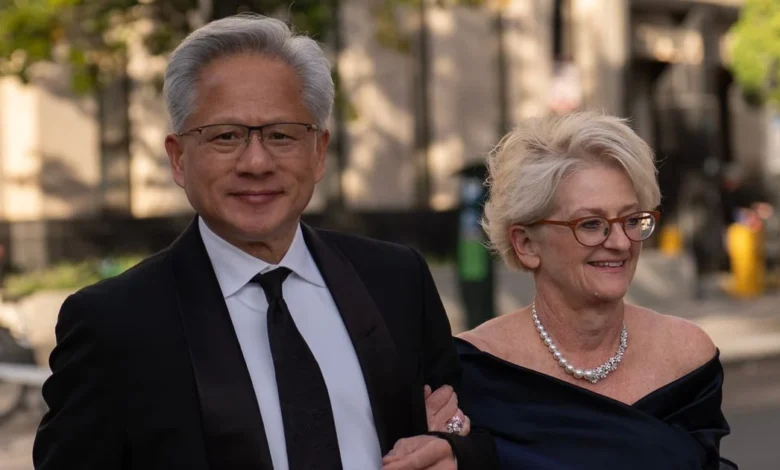
For decades, the Huangs’ wealth fueled a rapid expansion of collegiate infrastructure, creating a landscape where the name "Huang" became synonymous with innovation, engineering excellence, and the promise of the future. Now, those same buildings, once celebrated as testaments to success, have become potential liabilities for the very institutions that accepted the donations.
The Anatomy of a Philanthropic Fallout
The scope of the challenge is vast. The Huangs’ giving strategy was deliberate and targeted: they funneled capital into their alma maters, such as Oregon State University, and into high-profile institutions like Stanford and Vanderbilt where Nvidia sought to cultivate a pipeline of top-tier talent. This strategy was not merely altruistic; it was structural. By embedding themselves into the physical fabric of these universities, the Huangs created a permanent, inescapable presence.
The most pressing concern involves projects currently in development. At Oregon State University, the $100 million Jen-Hsun and Lori Mills Huang Collaborative Innovation Complex is nearing its year-end completion date. The facility was designed to be the crown jewel of the campus, a physical embodiment of their shared history as lab partners. With the scandal now casting a long shadow, administrators at Oregon State are faced with a choice: proceed with the naming rights as planned, risking association with a disgraced executive, or initiate a politically sensitive rebranding process just weeks before the ribbon-cutting ceremony.
Similarly, Vanderbilt University is in the midst of a high-stakes transition. Having accepted a $75 million gift to establish the Jen-Hsun and Lori Huang College of Art, Architecture and Design—part of an ambitious plan to occupy the former California College of the Arts campus in San Francisco—the institution finds its new West Coast flagship in a precarious position. The reputational risk of opening a new college under the banner of a figure embroiled in an international espionage investigation is immense.
A Chronology of Influence and Inquiry
To understand the current crisis, one must trace the timeline of the Huangs’ rise and the subsequent evaporation of their reputation. For years, the couple was viewed as the gold standard of tech philanthropy. In 2009, their $25 million gift to Oregon State University’s Kelley Engineering Center cemented their status as the school’s primary benefactors. This was followed by the high-profile establishment of the Huang Engineering Center at Stanford, a project that effectively anchored their influence in the heart of Silicon Valley’s intellectual ecosystem.
The turning point arrived in the summer of 2026, when allegations of corporate espionage and systemic security breaches within Nvidia began to surface. As federal investigators began peeling back layers of the company’s internal operations, the narrative shifted from technological triumph to a potential betrayal of national security. When the legal fallout forced Huang out of his role as CEO, the philanthropic foundations he had built began to crack.
Historical Precedent: When Names Come Down
The dilemma faced by these universities is not without historical precedent. Higher education institutions have spent the better part of the last decade navigating the removal of names associated with controversial figures, from Confederate generals to figures associated with the opioid crisis.
The removal of the Sackler name from institutions like the Metropolitan Museum of Art and various Ivy League buildings serves as the modern blueprint for this process. In the case of the Sacklers, the shift was driven by a moral imperative to distance academic and cultural institutions from the fallout of the opioid epidemic. However, as Harvard’s former president Lawrence Bacow noted during the height of those protests, universities are often bound by rigid, long-standing contracts that make the removal of names a legal and financial minefield.

When Vanderbilt previously attempted to remove the word "Confederate" from a campus building, the resulting legal battle reached an appeals court, which ruled that the university could only fulfill its goal by returning the original 1933 donation, adjusted for inflation. The final cost to the university was $1.2 million. While the Huangs’ contracts remain private, legal experts suggest that universities seeking to scrub their names would likely face similar, if not more complex, financial hurdles.
The Complexity of Dual-Named Assets
The situation is further complicated by the fact that many of these assets bear both Jensen and Lori Huang’s names. This creates a "divorce-like" scenario that mirrors the challenges faced by the Gates Foundation following the dissolution of Bill and Melinda Gates’ marriage. In that instance, the foundation opted for a slow, administrative transition—rebranding the entity to simply the "Gates Foundation" and updating signage to a more neutral aesthetic.
For university buildings, however, the "namesake" issue is more permanent. A building is not just a brand; it is a structural commitment. Replacing a name etched into a foundation or a custom-cast bronze archway is a significant capital expenditure. Furthermore, there is the question of the "Huang" identity within the academic community. If a building is removed, what replaces it? Do universities risk alienating other donors by setting a precedent that naming rights are conditional on the ongoing moral or legal standing of the benefactor?
Institutional Responses and Silence
As of mid-November 2026, the silence from the affected universities has been profound. Representatives from Stanford, Vanderbilt, and Oregon State have declined to provide specific details regarding the status of their naming contracts, citing privacy concerns. However, inside the halls of these institutions, sources suggest that internal committees are already evaluating the "reputational cost" of maintaining the status quo.
The lack of official comment reflects a desire to avoid the "Streisand effect," where drawing attention to the name removal process only serves to highlight the controversy further. Instead, these universities are likely engaged in quiet negotiations, attempting to find a middle ground—perhaps a rebranding of the specific centers within the buildings, or a pivot toward a more generic designation that fulfills the contractual obligations without highlighting the disgraced CEO.
The Broader Impact on Tech-Academic Relations
The fallout of the Jensen Huang scandal marks a shift in how universities view the influx of massive private capital from the tech sector. For decades, the "donors-as-partners" model was celebrated for its ability to build world-class facilities and drive innovation. Now, the risks of that model—specifically the concentration of influence in the hands of a single executive—are becoming painfully clear.
Universities are now facing a period of "due diligence" on a scale previously ignored. Moving forward, naming agreements will likely include more robust "morality clauses" that allow institutions to strip names more easily in the event of criminal conduct or profound ethical failures.
The saga of the Huang buildings serves as a cautionary tale for the intersection of wealth, ego, and public space. As these institutions navigate the next several months, the fate of these buildings will serve as a bellwether for how the academic world reconciles its need for private funding with the necessity of maintaining institutional integrity. Whether through the quiet replacement of signage or the long-term legal battles of contract renegotiation, one thing is certain: the era of unquestioned, permanent naming rights for tech magnates is drawing to a close. The names on the walls may be made of stone, but as the events of 2026 have proven, reputations—and the legacies built upon them—are far more fragile.