Navigating Closing Costs: How Homebuyers Can Reduce, Shift, or Manage Out-of-Pocket Expenses at the Settlement Table


The final stretch of buying a home is often fraught with unexpected financial hurdles, none more jarring for modern buyers than closing costs. Ranging from 3% to 6% of a home’s total purchase price, these fees, taxes, and prepaid expenses can add thousands or even tens of thousands of dollars to the final cash requirement right when buyers believe they have crossed the finish line. While the notion of "waiving" closing costs is a popular topic in real estate forums, industry experts clarify that these mandatory expenses are rarely erased entirely. Instead, they are typically absorbed, shifted to another party, financed into the loan balance, or offset through structured financial instruments. As housing affordability remains a central concern in the current economic landscape, understanding the anatomy of closing costs and the legitimate mechanisms available to mitigate them is more critical than ever for prospective homeowners.
To comprehend how closing costs can be managed, one must first examine their composition. When a real estate transaction reaches its conclusion, the cash-to-close figure presented to the buyer is a composite of diverse charges. These fees are generally divided into three categories: lender-controlled fees (such as loan origination, underwriting, and processing charges), third-party fees (including appraisal fees, credit report fees, and title insurance), and government-mandated fees (such as recording fees and transfer taxes). Furthermore, buyers are often required to pay prepaid expenses upfront, which fund future property taxes, homeowners insurance, and daily interest that accrues between the closing date and the first mortgage payment. Because government agencies and third-party vendors strictly enforce many of these charges, completely eliminating them is virtually impossible. Consequently, financial strategies focus heavily on reallocation and structural compromise rather than total eradication.
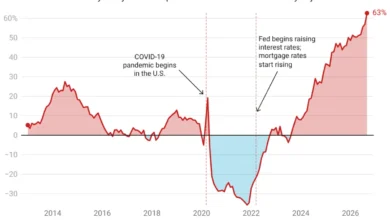
Over the past few residential real estate cycles, shifting market dynamics have dramatically altered how closing costs are handled between buyers and sellers. Historically, sellers held the upper hand in many metropolitan regions, leaving buyers to shoulder the entirety of the transaction fees. However, as mortgage interest rates fluctuated and inventory patterns shifted, the pendulum began to swing toward greater negotiation flexibility. Recent housing data highlights a significant surge in seller concessions, with credits being offered in nearly 45% of U.S. home sales as buyers leverage their negotiating power. Geographically, this trend is most pronounced in Sun Belt markets such as Atlanta and Nashville, where roughly seven out of ten buyers successfully negotiate concessions, contrasting sharply with hyper-competitive pockets like the San Francisco Bay Area and New York City. Industry analysts note a growing phenomenon termed the "double discount," wherein approximately 15% of buyers simultaneously secure a reduction in the home’s listing price and a substantial seller concession toward closing costs.
When negotiating seller concessions, buyers must navigate strict federal and institutional guidelines that cap the maximum amount a seller can contribute based on the specific loan type and down payment size. Conventional loan guidelines typically enforce a 3% cap for down payments under 10%, a 6% cap for down payments ranging from 10% to 24.99%, and a 9% cap for down payments of 25% or more. Meanwhile, Federal Housing Administration (FHA) loans permit seller contributions of up to 6% of the purchase price, applied directly to actual closing costs and prepaid items. Department of Veterans Affairs (VA) loans set a 4% cap on specific concessions, excluding standard loan closing costs from that specific limit, and United States Department of Agriculture (USDA) loans cap concessions at 6% without exceeding actual closing expenses. Real estate economists caution that while these concessions effectively lower immediate out-of-pocket burdens, sellers frequently factor these credits into their initial asking prices or expect concessions elsewhere in the purchase agreement terms.
An alternative mechanism frequently utilized by homebuyers is the deployment of lender credits. Under this arrangement, a buyer agrees to accept a marginally higher interest rate on their mortgage in exchange for a direct financial credit from the lender that offsets a portion or all of the upfront closing fees. For example, on a $400,000 mortgage, a borrower might choose between a standard 6.50% interest rate requiring $8,000 in upfront cash at closing or a credit-backed option featuring a 6.875% interest rate that reduces upfront closing fees to zero while increasing the monthly payment by approximately $75. Financial advisors stress the necessity of calculating a precise break-even point when evaluating this option. By dividing the upfront cash savings by the additional monthly payment, buyers can determine the exact month when the cumulative cost of the higher interest rate surpasses the initial savings. For short-to-medium-term homeowners who plan to sell or refinance within a few years, lender credits offer a viable path to liquidity; for long-term occupants, however, paying costs upfront is mathematically superior.
Beyond concessions and credits, certain specialized loan programs allow borrowers to roll closing costs directly into their mortgage balance. This practice is most commonly associated with refinance transactions, VA loans, and USDA financing, where specific guidelines permit the capitalization of closing fees into the overall debt obligation. For standard conventional purchase loans, rolling closing costs into the loan is exceedingly rare and generally restricted to circumstances involving strong borrower equity, robust credit profiles, and rigorous underwriting approval. While this strategy preserves vital liquid savings for the buyer, it permanently increases the principal loan balance, thereby compounding total interest payments over the life of the loan.
State, local, and municipal governments, alongside various nonprofit entities, also administer specialized first-time homebuyer assistance programs designed to alleviate the financial friction of closing. These programs frequently provide grants or forgivable second liens that cover down payments and closing fees for qualifying individuals, particularly low-to-moderate-income families, military veterans, and public service professionals like educators and healthcare workers. While these programs provide crucial financial lifelines, they often require mandatory homeownership counseling courses, income threshold verifications, and sustained occupancy periods to ensure the grants do not convert into repayable loans.
Industry experts also emphasize that many closing fees are not entirely static and present opportunities for proactive consumer advocacy. Homebuyers possess the right to shop around for third-party settlement services, such as title insurance and home inspection providers, rather than automatically accepting the lender’s preferred recommendations. Furthermore, consumers can request itemized Loan Estimates from multiple competing financial institutions to compare origination fees, administrative charges, and discount points, potentially forcing lenders to match lower fee structures to win the mortgage business. Additionally, strategic timing of the closing date—such as scheduling the transaction toward the end of the month—can minimize the amount of prepaid daily interest required at the settlement table, subtly reducing the total cash-to-close figure.
Despite these myriad avenues for reduction and relief, certain components of a real estate transaction remain fundamentally unyielding. Government-mandated recording fees, municipal transfer taxes, and necessary third-party evaluations like independent appraisals and credit reports cannot be realistically waived by lenders or sellers. Consequently, professional financial analysts advise buyers to evaluate their immediate liquidity needs against their long-term wealth accumulation strategies. By carefully analyzing break-even timelines, negotiating transparently within market conditions, and leveraging available public and private assistance programs, prospective homeowners can successfully demystify the closing process and enter homeownership on sound financial footing.