Venus Express: A Nine-Year Odyssey into the Heart of the Solar System’s Most Hostile Environment

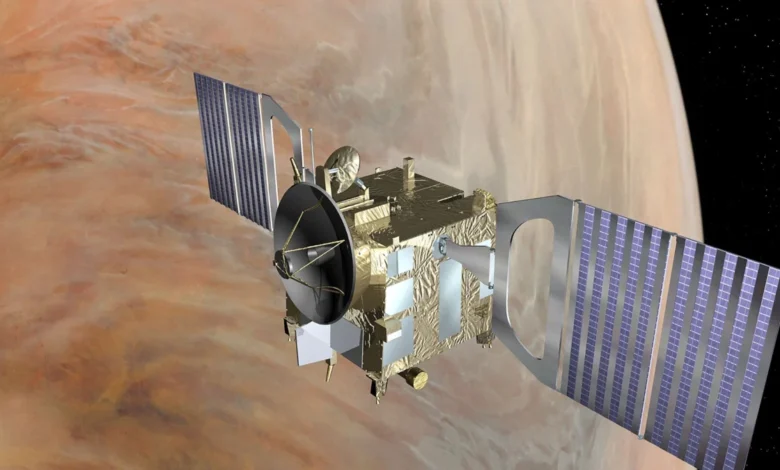
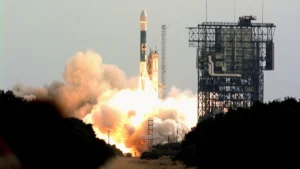
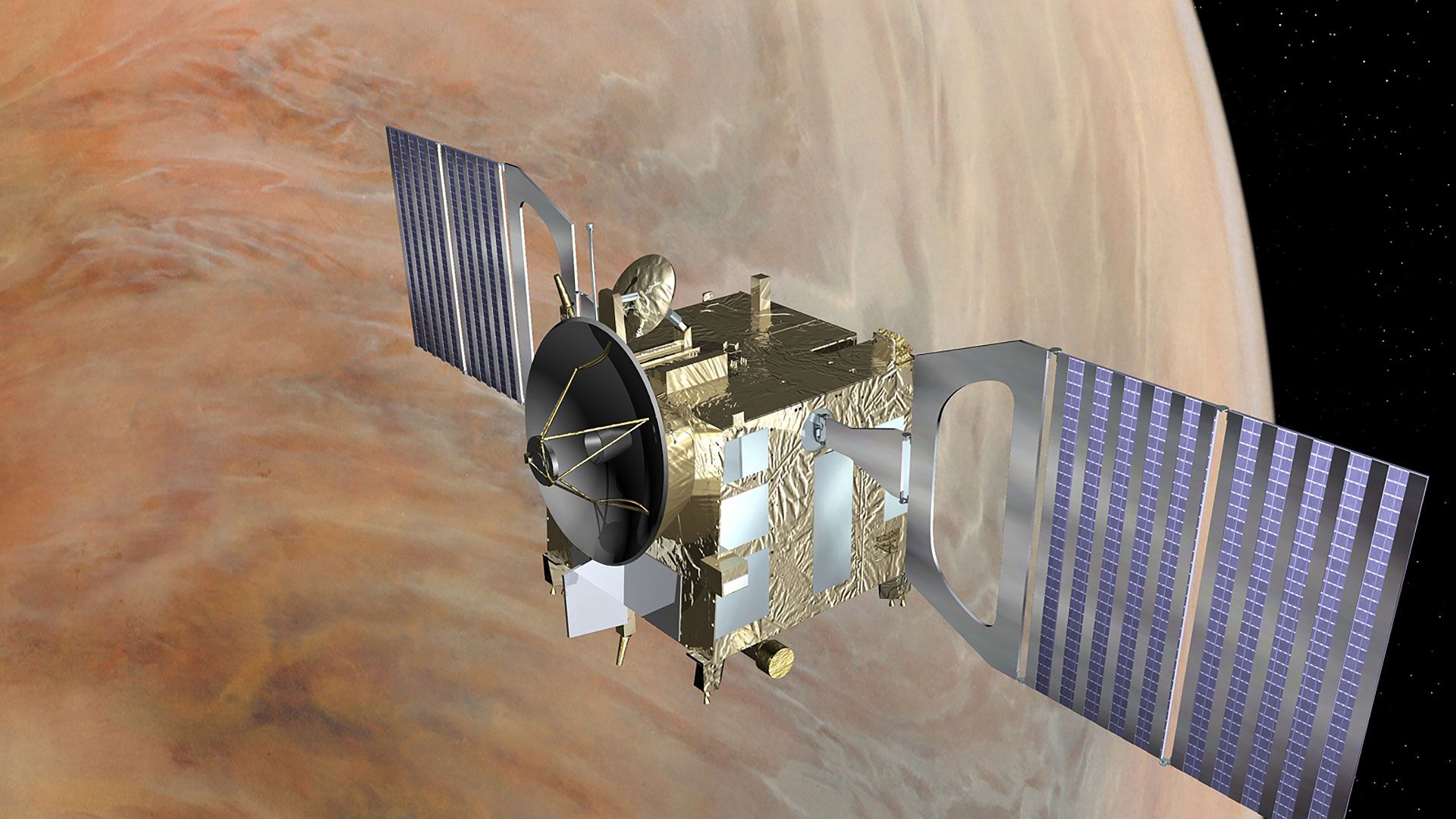
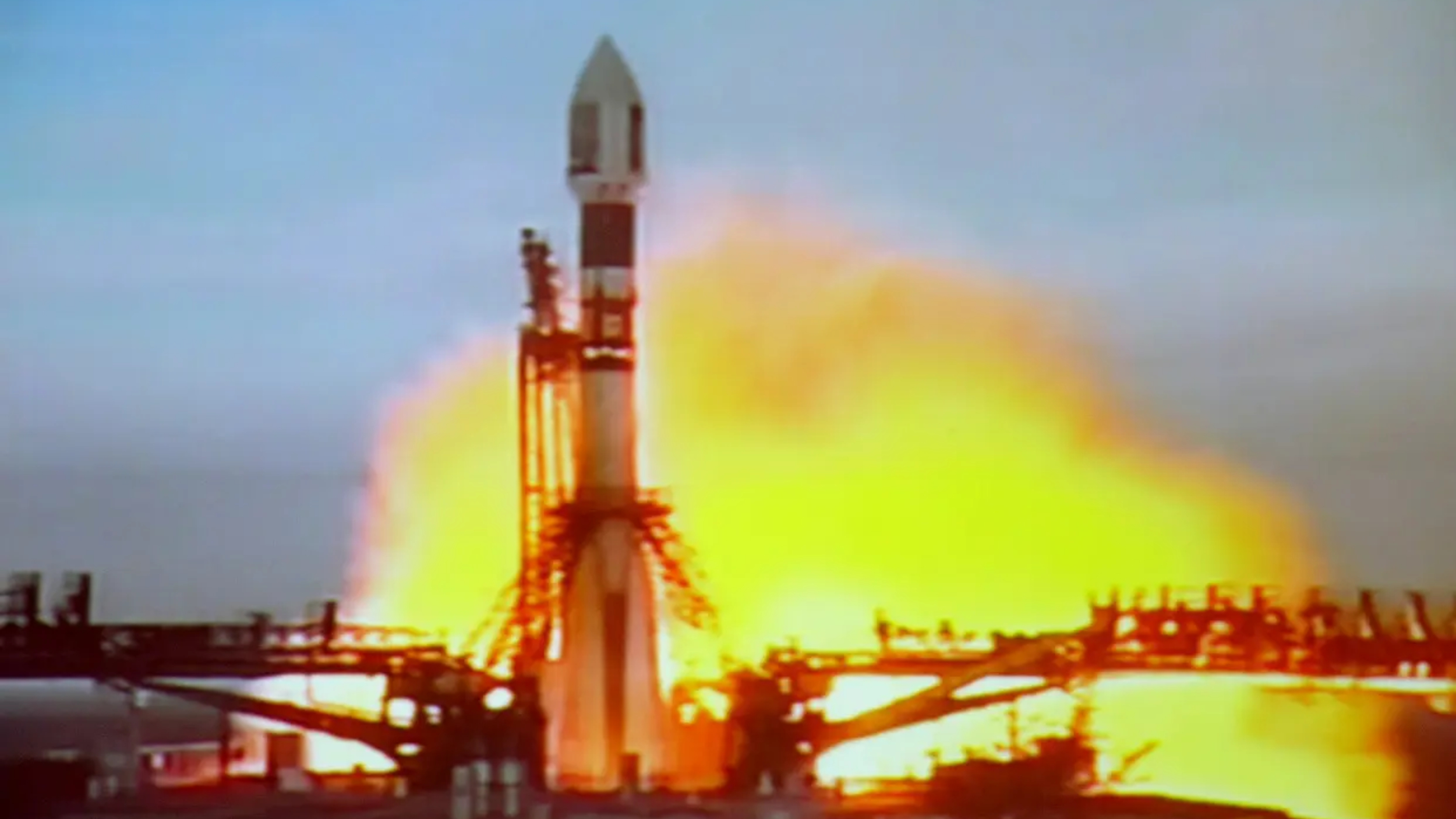
On November 8, 2005, the European Space Agency launched its first mission to Venus, the spacecraft known as Venus Express, marking a pivotal moment in the history of planetary exploration and solidifying Europe’s role as a major player in deep-space research. The mission, which departed from the Baikonur Cosmodrome in Kazakhstan aboard a Russian Soyuz-Fregat rocket, set out to demystify the "hothouse" planet that had long intrigued and baffled astronomers. Venus, often described as Earth’s "evil twin," represents one of the most challenging environments in our solar system, characterized by extreme atmospheric pressure, temperatures capable of melting lead, and thick, sulfuric clouds that obscure the surface from traditional optical observation.
The successful insertion of Venus Express into orbit in April 2006 was not merely a technical triumph for the European Space Agency (ESA); it was a strategic expansion of humanity’s reach into the inner solar system. For over nine years, the spacecraft endured a punishing environment, bombarded by intense solar radiation and extreme thermal fluctuations, all while providing unprecedented data that transformed our understanding of planetary evolution.
A Chronology of Discovery
The operational life of Venus Express can be viewed as a masterclass in spacecraft longevity and mission adaptability. Following its launch in late 2005, the probe navigated a five-month transit to the planet. Upon arrival on April 11, 2006, the spacecraft performed a critical engine burn to enter a highly elliptical polar orbit. This orbit was meticulously designed to allow the probe to observe both the dense atmosphere and the space environment near the planet while avoiding the most lethal thermal zones closer to the surface.
Throughout the mid-2000s, the mission delivered a steady stream of scientific breakthroughs. By 2007, the spacecraft had confirmed the existence of a complex, double-eyed vortex swirling around the planet’s south pole—a phenomenon that appeared to mirror the atmospheric dynamics seen at the north pole. This discovery was vital for meteorologists attempting to understand global circulation patterns on a planet that rotates on its axis with extreme sluggishness.
In 2010, the mission reached a significant milestone by mapping the planet’s surface temperatures. Using the Visible and Infrared Thermal Imaging Spectrometer (VIRTIS), researchers were able to identify "hot spots" that suggested relatively recent volcanic activity. This finding was a paradigm shift in planetary science, as it challenged previous assumptions that Venus was geologically dead. The evidence of ongoing volcanism suggested that the planet’s interior remains active, potentially playing a role in the replenishment of the thick sulfur dioxide clouds that dominate its atmosphere.
The final phase of the mission, occurring between 2014 and 2015, saw the spacecraft transition from its primary scientific objectives to an experimental "aerobraking" campaign. Controllers pushed the probe into the planet’s upper atmosphere, utilizing atmospheric drag to adjust its orbit. This daring maneuver was never part of the original design parameters but provided invaluable data on the density and composition of the Venusian thermosphere. The mission finally concluded in January 2015, when the aging probe, having exhausted its propellant, descended into the atmosphere and incinerated, ending a decade of service.
Scientific Data and Atmospheric Mysteries
Venus Express was equipped with seven primary scientific instruments, including spectrometers, a magnetometer, and a camera system designed to peer through the thick cloud decks. The data harvested by these tools revealed that Venus is not merely a static, boiling rock but a dynamic, evolving system.
One of the most startling discoveries made by the mission was the observation of auroras on the night side of the planet. While Earth’s auroras are driven by the interaction between the planet’s magnetic field and solar wind, Venus lacks an intrinsic global magnetic field. Instead, the Venusian auroras are caused by the interaction between the solar wind and the planet’s ionosphere. This demonstrated that even planets without protective magnetic shields can host complex, plasma-driven atmospheric light shows, fundamentally changing how scientists model planetary space environments.
Furthermore, the mission provided a detailed look at the planet’s "super-rotating" atmosphere. The clouds of Venus circle the planet in just four Earth days, despite the planet itself taking 243 Earth days to complete a single rotation. Venus Express tracked these cloud motions with precision, allowing scientists to calculate the energy exchange between the surface and the upper atmosphere, providing clues as to why the planet’s climate diverged so drastically from Earth’s temperate conditions.
Official Perspectives and International Collaboration
The success of Venus Express established the European Space Agency as the third world organization to achieve a long-term presence at Venus, following the United States (NASA’s Magellan and Pioneer Venus missions) and the Soviet Union (the Venera series). By the time Japan’s Akatsuki mission arrived at Venus in 2015, the international community had begun to view Venus as a critical laboratory for understanding exoplanetary atmospheres.
In official statements following the conclusion of the mission, ESA scientists emphasized that the data would remain a foundational resource for decades. "The legacy of Venus Express is the realization that Venus is a planet that is still active and changing," noted project leads during the mission’s retirement. The ability of the spacecraft to operate for nine years—far exceeding its original five-year mandate—was a testament to the engineering teams at ESA and the robustness of the instruments provided by international partners.
Implications: The "Cautionary Tale" of Venus
The broader impact of the Venus Express mission lies in the context it provides for Earth’s own climate future. According to researchers at The Planetary Society, Venus serves as an extreme case study in runaway greenhouse effects. While Earth and Venus are often referred to as sister planets due to their similar size and composition, their fates have been diametrically opposed.
Venus is currently shrouded in an atmosphere of carbon dioxide, with surface temperatures reaching approximately 465 degrees Celsius (870 degrees Fahrenheit). The data from Venus Express suggests that, billions of years ago, the planet may have hosted vast oceans. The loss of these oceans and the subsequent buildup of a crushing, heat-trapping atmosphere provides scientists with a cautionary model for how climate feedback loops can alter a planet’s habitability on a global scale. By studying the chemical composition of the Venusian atmosphere, scientists can better calibrate climate models for Earth, helping to isolate the variables that drive planetary heating.
Future Horizons
The lessons learned from Venus Express have directly informed the planning of subsequent missions, including NASA’s upcoming VERITAS and DAVINCI+ probes, and the European EnVision mission. These future projects aim to pick up where Venus Express left off, specifically targeting high-resolution radar mapping of the surface and direct sampling of the atmospheric composition.

Furthermore, the mission’s legacy extends to how space agencies handle "end-of-life" procedures for deep-space assets. The deliberate aerobraking maneuver proved that even legacy hardware could be pushed to the limits to yield high-value, high-risk science, a philosophy that now influences the mission profiles for probes orbiting Mars and Jupiter.
As ESA continues its involvement in planetary exploration—notably through the BepiColombo mission, which performed gravitational assists at Venus in 2018 and 2020—the influence of Venus Express remains visible. The techniques used to study the Venusian gravitational field and atmospheric drag during the 2005-2015 mission remain the benchmark for how modern agencies conduct flybys and orbital insertions.
In summary, the Venus Express mission was more than just a successful orbital observation program; it was a bridge between the pioneering era of 20th-century exploration and the sophisticated, analytical era of 21st-century planetary science. By peering through the toxic haze of our neighbor, Venus Express provided the data necessary to reframe Venus not just as a hostile environment, but as an essential component in our quest to understand the life-cycle of rocky planets across the galaxy. The spacecraft may have burned up in the atmosphere it sought to study, but the insights it returned continue to burn bright in the scientific literature, ensuring that the legacy of the first European mission to Venus remains an indelible part of human spaceflight history.
Related posts: