Travel and Hospitality Industry Giants Join Forces to Push for Federal Film Production Tax Incentives

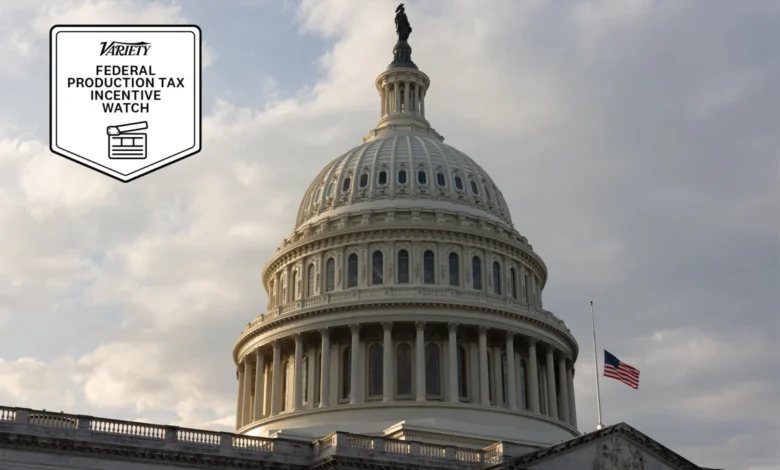
In a significant expansion of the lobbying coalition surrounding the Motion Picture, Television, and Entertainment Revitalization Act, the travel and hospitality sectors have formally thrown their weight behind a proposed 20% federal tax credit for domestic film and television production. The American Hotel & Lodging Association (AHLA) and the U.S. Travel Association, representing a vast ecosystem of airlines, hotel chains, resorts, and major theme park operators like Disney and Universal, argue that incentivizing domestic filming is not merely a boon for Hollywood studios, but a vital engine for local tourism economies across all 50 states.
The entry of these powerful industry groups marks a strategic pivot in the legislative campaign, shifting the narrative from a narrow industrial subsidy for the entertainment sector to a broad-based economic stimulus package for the travel and service industries. By aligning with the Motion Picture Association and major labor unions, these groups are framing the proposed tax credit as a holistic investment in the "screen tourism" phenomenon, where the visibility of American landscapes on screen translates directly into international and domestic travel demand.
The Legislative Framework: The Motion Picture, Television, and Entertainment Revitalization Act
The proposed legislation, introduced in the House and Senate last month, seeks to establish a uniform 20% tax credit for labor costs associated with film and television productions filmed within the United States. The bill is structured to provide tiered incentives, offering an additional 5% bonus for independent filmmakers and productions that opt to film in rural communities or areas recently designated as disaster zones.
The bill currently enjoys bipartisan support, boasting 52 sponsors in the House of Representatives and 10 in the Senate. The geographical distribution of these sponsors highlights the regional importance of the entertainment industry, with a heavy concentration in states that have historically been production hubs: 15 sponsors from California, six from Pennsylvania, four from New York, and three each from New Jersey, Illinois, and Georgia.
The legislative trajectory is now centered on the Ways and Means Committee in the House and the Finance Committee in the Senate. Proponents are aggressively targeting the upcoming "lame duck" session—the period between the midterm elections and the inauguration of the new Congress—as the critical window for legislative action.
Screen Tourism: Connecting Production to the Travel Economy
The core argument driving this alliance is the quantifiable economic impact of "screen tourism." When a production team descends on a town, they immediately occupy hotel rooms, utilize local catering services, hire local labor, and procure goods from regional vendors. However, the long-term impact, as noted by industry leaders, persists well after the cameras stop rolling.
Geoff Freeman, president and CEO of the U.S. Travel Association, emphasized the cyclical nature of this economic benefit in a recent statement. "Every film and TV production made in America sends a ripple through the travel economy, filling hotel rooms, restaurants and small businesses during the shoot and inspiring travelers to visit long after the credits roll," Freeman stated. "A federal production incentive would bring that economic activity back to communities in all 50 states and give destinations of every size a powerful new way to showcase themselves to the world."
This perspective is bolstered by data indicating that iconic filming locations often see a marked increase in tourism following the release of a popular film or series. From the surge in visitors to New Zealand following the "Lord of the Rings" trilogy to regional spikes in domestic travel to filming sites in Georgia and New Mexico, the correlation between media visibility and destination branding is well-documented.
Economic Implications and Industry Synergy
Ralph Posner, a spokesperson for the American Hotel & Lodging Association, echoed these sentiments, noting that the benefits extend far beyond the immediate confines of the film industry. "Domestic production brings cast, crew, and suppliers into communities across the U.S., bolstering hotel demand and supporting local businesses," Posner explained. "By encouraging more domestic production activity, the legislation will help drive economic growth, support local communities, and showcase U.S. destinations to audiences around the world."
The economic ripple effect is significant. According to reports from the Motion Picture Association, the film and television industry supports over 2.4 million jobs nationwide, with a heavy reliance on the hospitality sector to facilitate the logistics of large-scale, mobile production crews. A production filming on location for three months can represent thousands of "room nights" for local hotels, providing a stable revenue floor for businesses that might otherwise experience seasonal fluctuations.
The Competitive Landscape: Why Federal Action is Necessary
For decades, the United States has relied on a patchwork of state-level tax incentives to attract film production. While effective in creating "film hubs" like Atlanta or Los Angeles, this state-by-state competition has often led to a "race to the bottom," where states aggressively bid against one another, sometimes leading to instability in the production ecosystem.
Furthermore, international competition has intensified. Nations such as Canada, the United Kingdom, and Australia have implemented robust federal-level incentives, making them increasingly attractive alternatives for major studio projects. The Motion Picture, Television, and Entertainment Revitalization Act aims to level this international playing field by providing a consistent, nationwide baseline that makes the United States a more competitive destination for global production dollars.
Analyzing the Challenges and Opposition
Despite the broad coalition of supporters, the bill faces significant hurdles. Fiscal conservatives in Congress have historically been skeptical of tax credits, often labeling them as "corporate welfare" or government-subsidized competition. Critics argue that the federal deficit and the current economic climate necessitate a more disciplined approach to tax policy, and that the long-term return on investment for such credits is difficult to measure with absolute precision.
Furthermore, there is the question of implementation. Critics often point out that if every state becomes an attractive destination, the market may become saturated, potentially diluting the intended economic impact for rural communities or those lacking established film infrastructure. There are also concerns regarding how the 5% bonus for rural and disaster-stricken areas will be administered, with some policy analysts suggesting it may lead to complex bureaucratic oversight.
Chronology of the Legislative Push
- Pre-Introduction Phase: Industry stakeholders, including the Motion Picture Association and major labor unions, spend months drafting language that addresses both labor stability and economic development.
- Introduction: The Motion Picture, Television, and Entertainment Revitalization Act is formally introduced in both chambers of Congress, signaling the start of a coordinated lobbying effort.
- Coalition Expansion: The AHLA and U.S. Travel Association formally join the effort, bringing the massive influence of the hospitality and tourism sectors to the negotiating table.
- Current Status: The bill undergoes committee review in the House and Senate. Proponents organize outreach to undecided members of Congress, focusing on the potential for job creation in their respective districts.
- Upcoming Milestones: The "lame duck" session serves as the critical deadline. Supporters are banking on the potential for tax legislation to be included in larger end-of-year budget packages.
Broader Impact and Future Outlook
The inclusion of the travel and hospitality industries provides a powerful new narrative for proponents of the bill. By moving the conversation away from the "Hollywood elite" and toward the "local small business owner" (the hotel manager, the restaurant owner, the local logistics company), supporters are attempting to broaden the bill’s appeal across the political aisle.
If passed, the legislation would represent one of the most significant federal interventions in the domestic film industry in modern history. The potential for long-term growth is substantial, particularly for smaller states that have previously struggled to attract large-scale productions. By democratizing access to film production, the act could fundamentally alter the geographic distribution of media projects, ensuring that the economic benefits of the entertainment industry are more evenly shared across the nation.
As the industry prepares for the upcoming legislative push, the focus remains on building consensus. The partnership between the film studios and the hospitality sector creates a formidable lobbying bloc, but the ultimate success of the act will depend on the ability of its sponsors to navigate the complexities of federal tax reform during a period of intense political polarization.
The implications for the U.S. economy, if the legislation succeeds, are multifaceted. Beyond the direct job creation and tax revenue generated by production crews, the sustained visibility of American destinations—showcased through high-quality film and television—could lead to a lasting increase in international tourism revenue. As the world continues to consume American media at an unprecedented scale, the synergy between the screen and the travel destination appears poised to become a central pillar of the U.S. domestic economic strategy.