The Ultimate Insider Guide to Rio de Janeiro: Why the City’s Neighborhoods and Luxury Hotels Define South America’s Coastal Culture

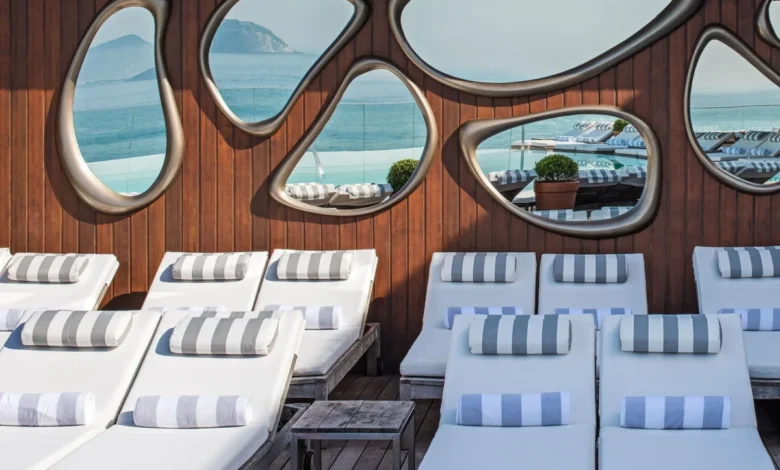
The adage “I live where you vacation” takes on profound resonance in Rio de Janeiro, a metropolis where dramatic natural topography converges with a vibrant, pulsating urban culture. Positioned precisely between two of South America’s most celebrated coastal stretches—Copacabana and Ipanema—the city’s allure extends far beyond its sweeping Atlantic shorelines. For residents and long-term observers alike, the true essence of Rio is found in its daily rhythms: the morning cleaving of fresh green coconuts along the boardwalk, the passage of barefoot surfers navigating the neighborhood streets, and the enduring strains of bossa nova drifting from beachside kiosks. While permanent residency in Brazil’s most dynamic urban center remains a privilege for a relative few, a curated selection of premier hospitality properties allows international visitors to experience the authentic cadence of local life.
Over the past six years, the urban landscape of Rio de Janeiro has undergone significant shifts in tourism, infrastructure, and neighborhood identity. Each distinct district offers a singular lens through which to experience the city. Copacabana maintains the high-energy, fast-paced commercial momentum expected of a global tourism hub that annually hosts the world’s largest Carnival celebration. Conversely, neighboring Leblon presents a refined, residential seaside tempo characterized by upscale dining and a more subdued beach culture. High above the urban sprawl, the forested hilltops of Santa Teresa preserve a steadfast bohemian enclave, retaining its artistic heritage and architectural charm despite rising global tourism metrics. High-end hospitality developments across these neighborhoods increasingly mirror this hyper-local diversity, offering travelers immersive designs, panoramic Atlantic and mountain views, and localized service models designed to extend average visitor stays.
A Neighborhood-by-Neighborhood Portrait of Rio’s Urban Evolution
To understand Rio de Janeiro’s current hospitality boom, one must examine the socio-economic and cultural evolution of its most prominent districts. Copacabana, historically cemented in the global imagination by mid-century tourism booms and bossa nova anthems, remains the epicenter of public gatherings. Urban planners note that Copacabana’s dense grid system and high-rise architecture support a year-round economy that seamlessly transitions from residential living to mass tourism.
Just to the west, Ipanema and Leblon represent the gold standard of Rio’s South Zone (Zona Sul) real estate and lifestyle culture. Leblon, in particular, has emerged as a preferred market for luxury boutique hotels and high-end gastronomy. Real estate data from municipal development agencies indicate that property values and hospitality investments in Leblon have outpaced broader city averages over the last decade, driven by stringent zoning laws that preserve its human scale and proximity to the Rodrigo de Freitas Lagoon.
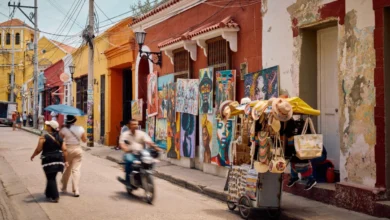
Meanwhile, Santa Teresa offers an entirely contrasting geographic and cultural proposition. Perched on the historic hills overlooking Guanabara Bay, Santa Teresa developed independently from the coastal lowlands. Known for its winding cobblestone streets, preserved 19th-century mansions, and the iconic yellow bondinho (historic streetcar), the neighborhood has long attracted artists, writers, and expatriates. Despite increasing commercialization, local preservation groups and municipal heritage authorities have successfully implemented protective regulations to safeguard its architectural integrity, making it a critical anchor for cultural tourism.
Economic Impact and Tourism Trends in Brazil’s Coastal Capital
The resurgence of Rio de Janeiro’s luxury hospitality sector coincides with broader post-pandemic economic recovery figures across Brazil’s tourism industry. According to data released by Embratur (the Brazilian Tourism Board) and the federal Ministry of Tourism, international arrivals to Rio de Janeiro have steadily climbed, surpassing pre-pandemic benchmarks in key source markets such as the United States, Argentina, and Western Europe.
This influx of capital has spurred substantial investment in hotel refurbishments, sustainable building practices, and experiential tourism. Industry analysts observe a distinct shift in consumer preferences among affluent travelers visiting South America. Modern tourists increasingly reject standardized, isolated resort models in favor of properties deeply integrated into the cultural fabric of their host neighborhoods. Consequently, hotel developers in Rio are pivoting toward adaptive reuse projects—converting historic townhouses in Santa Teresa and retrofitting mid-century modernist buildings in Copacabana and Ipanema—to meet the demand for authentic, place-based luxury.
Furthermore, municipal authorities have increasingly recognized the economic multiplier effect of high-end tourism. According to RioTur, the city’s tourism development agency, visitors utilizing boutique and luxury accommodations tend to spend significantly more on local dining, guided cultural excursions, and artisanal retail, distributing economic benefits directly to small businesses throughout the Zona Sul and historic center.
Official Responses and Municipal Strategies for Sustainable Tourism
As Rio de Janeiro continues to draw record numbers of international visitors, city officials, urban planners, and hospitality leaders face the ongoing challenge of balancing economic growth with neighborhood preservation and environmental sustainability.
In official statements, municipal tourism representatives have emphasized the implementation of new urban mobility plans and enhanced public security frameworks designed to protect both residents and tourists in high-traffic zones like Copacabana and Ipanema. Collaborating with state security forces, the city has deployed targeted technological surveillance and increased municipal guard patrols along major beach corridors and transit nodes.
Environmental sustainability has similarly emerged as a central pillar of Rio’s contemporary tourism strategy. With iconic backdrops such as the Tijuca National Park—the world’s largest urban rainforest—and the marine ecosystems of Guanabara Bay, local hoteliers are facing heightened scrutiny regarding their environmental footprints. The Rio de Janeiro Hotel Association (Sindicato de Meios de Hospedagem do Município do Rio de Janeiro) has reported a substantial rise in properties adopting green building certifications, comprehensive waste reduction programs, and locally sourced supply chains for their food and beverage operations.
These regulatory and industry-led initiatives aim to mitigate the ecological pressures associated with mass urban tourism while preserving the natural vistas that define the destination. Urban planning experts stress that the long-term viability of Rio’s luxury and boutique hospitality sectors depends heavily on continued cooperation between private developers and public agencies to protect the city’s fragile coastal and forest ecosystems.
Broader Implications for South American Luxury Travel
The transformation of Rio de Janeiro’s hospitality landscape offers broader implications for the luxury travel sector across South America. For decades, regional luxury was predominantly defined by sprawling, all-inclusive eco-lodges or standardized international chain hotels located in commercial business districts. Rio’s current trajectory demonstrates a decisive shift toward hyper-localized, neighborhood-centric urban hospitality.
By embedding high-end accommodations within historic and culturally dense districts like Santa Teresa, Copacabana, and Leblon, developers are redefining what it means to experience a major Latin American city. This model encourages longer stays, deeper cultural immersion, and more meaningful interactions between international travelers and local communities.
As global travel trends continue to prioritize authenticity, sustainability, and personal enrichment, Rio de Janeiro’s hospitality sector serves as a compelling case study. The city successfully leverages its natural geography, architectural heritage, and legendary cultural dynamism to offer visitors not merely a place to sleep, but a genuine, immersive portal into the soul of Brazil.