For the first time since the inaugural phase of the elevated park opened in 2009, the High Line is officially complete. After seventeen years of phased construction, design refinements, and the steady encroachment of luxury development, the final stretch of the 1.5-mile linear park—the 34th Street Rail Yard Preserve—is set to open to the public next month. This milestone marks the end of a multi-decade urban renewal project that has fundamentally altered the real estate landscape of Manhattan’s West Side and redefined the global standard for adaptive reuse of industrial infrastructure.
A Chronology of a Civic Transformation
The narrative of the High Line began long before its first section welcomed visitors. Originally built in the 1930s to lift dangerous freight trains off the streets of Manhattan, the elevated rail line fell into disuse by 1980. For decades, the rusted structure sat as a derelict eyesore, periodically threatened with demolition. It was not until 1999 that the nonprofit organization Friends of the High Line was formed by local residents Joshua David and Robert Hammond to advocate for its preservation and repurposing.
The project proceeded in three distinct phases:
- Phase 1 (2009): The southern section, running from Gansevoort Street to 20th Street, opened to immediate acclaim, drawing millions of visitors and catalyzing a surge in property values in the Meatpacking District and Chelsea.
- Phase 2 (2011): The park extended to 30th Street, weaving through the industrial remnants of the West Side and further integrating the park into the residential fabric of the neighborhood.
- Phase 3 (2014): The northern terminus, wrapping around the Hudson Yards site, provided a connection to the massive rail yards, though the final landscaping elements remained in a state of flux as the surrounding area underwent rapid development.
- Completion (2026): The final planting of the 34th Street section serves as the capstone, removing the last remnants of construction scaffolding and unifying the entire 1.5-mile corridor.
The Horticultural Masterpiece of the Rail Yard Preserve
The newly completed 34th Street garden, while small in footprint, represents a significant technical achievement. Spanning 2,561 square feet, the garden features a deliberate, naturalistic aesthetic curated by renowned Dutch landscape designer Piet Oudolf. Collaborating once again with the landscape architecture firm Field Operations, Oudolf has populated the space with 52 distinct types of shrubs and trees.
Unlike the majority of the High Line, which sits atop an elevated structure supported by 18 inches of soil, the 34th Street section is unique as the only part of the park planted directly in the ground. This difference in substrate allowed for a slightly more robust planting strategy. The selection of flora, including Heuchera villosa “Autumn Bride,” sedges, and native grasses, continues the “urban wildness” theme that has become the park’s signature.
Richard Hayden, the High Line’s senior director of horticulture, noted that the absence of construction sheds signifies a symbolic turning point. For the first time in the park’s existence, visitors will be able to traverse the entire length of the structure without navigating the detours or visual clutter of ongoing infrastructure work. Alongside the 34th Street opening, the “Prairie Terrace” at 17th Street will also be unveiled, having been shrouded in scaffolding for nine years due to adjacent real estate development. The new plantings there have been carefully selected to accommodate the drastically altered sunlight patterns created by the surrounding high-rise towers.
Economic and Urban Implications
The completion of the High Line is not merely a horticultural event; it is the culmination of one of the most successful urban redevelopment strategies of the 21st century. Since the park’s inception, the area surrounding it has seen a staggering increase in real estate value. The “High Line effect” has been cited in numerous urban planning studies as a primary driver for the luxury residential and commercial towers that now define Chelsea and the Hudson Yards district.
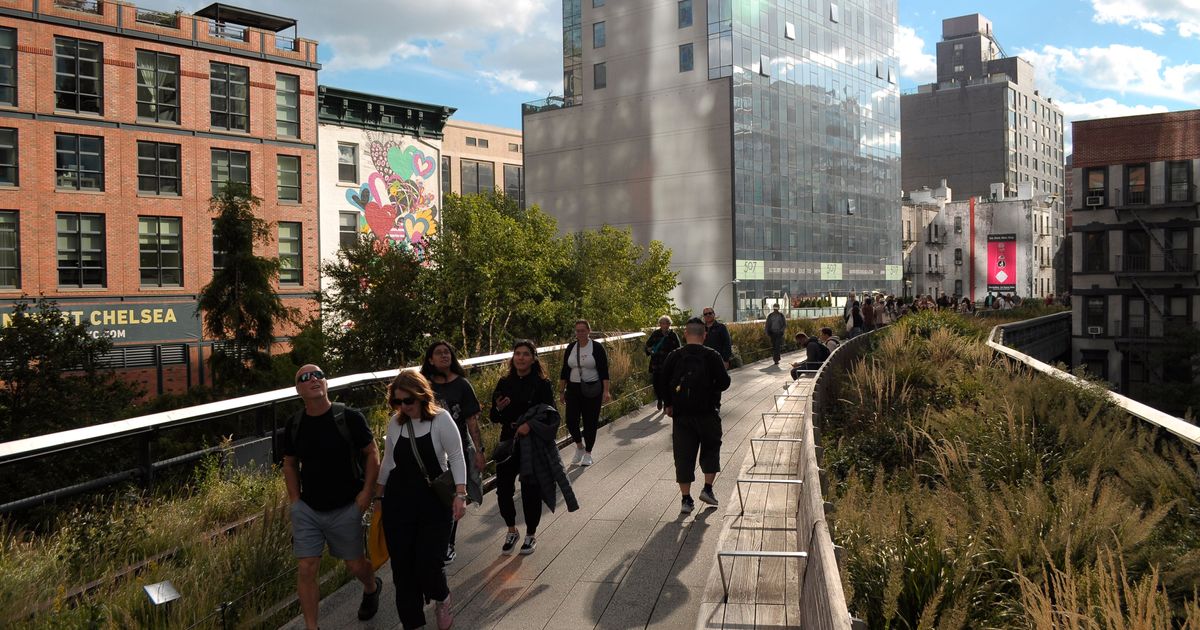
However, this success has not come without controversy. The park has been criticized for contributing to the hyper-gentrification of the West Side, pushing out legacy businesses and increasing the cost of living for long-term residents. The juxtaposition of the serene, curated greenery of the High Line against the glass-and-steel monoliths of modern development is a visual representation of the tension between public space and private capital. Despite these debates, the park remains a vital artery for pedestrian transit, effectively bridging the gap between the Meatpacking District and the rapidly expanding commercial hub at 34th Street.
Operational and Future Outlook
With the construction phase now fully resolved, the focus of the Friends of the High Line and the New York City Department of Parks and Recreation shifts entirely to maintenance and programming. The 34th Street entrance has been designed to be more welcoming, featuring improved signage at Twelfth Avenue, which city planners hope will better distribute the flow of tourists and commuters.
The decision to finalize the landscaping in the Rail Yard Preserve is also a nod to the changing environment of the West Side. By incorporating more resilient, sunlight-tolerant species in the 17th Street and 34th Street sections, the curators are acknowledging that the park is no longer the isolated, quiet relic it was in 2009. It is now a high-traffic urban corridor surrounded by immense heat-absorbing structures and deep shadows.
"The goal has always been to maintain the integrity of the design while ensuring the park remains a living, breathing entity," a spokesperson for the High Line stated. The inclusion of native species such as blackhawks big bluestem and great globe thistle is intended to support local biodiversity, providing a rare green refuge for pollinators in an otherwise dense, industrialized corridor.
A Legacy of Adaptive Reuse
The completion of the High Line stands as a testament to the power of grassroots advocacy. When the initial proposal for a park was met with skepticism from city officials and developers, the founders of the High Line persisted, arguing that the elevated tracks were a historic asset rather than a liability. The success of this vision has sparked similar projects across the globe—from the 606 in Chicago to the Promenade Plantée in Paris—each attempting to capture the unique blend of history, architecture, and ecology that the High Line pioneered.
As the final construction fence is removed and the public is invited to experience the completed 34th Street garden, the park stands as a finished work of art. While the surrounding neighborhood will undoubtedly continue to evolve, the High Line itself has achieved a state of structural and horticultural maturity. It remains the premier example of how a city can honor its industrial past while creating a functional, beautiful, and world-renowned public asset for the future. The end of the construction period marks a transition from a project of building to a project of stewardship, ensuring that the elevated park remains a permanent, verdant fixture of the New York City skyline.