The Evolution of Global Connectivity: Analyzing the Shift Toward Subscription-Based eSIM Services

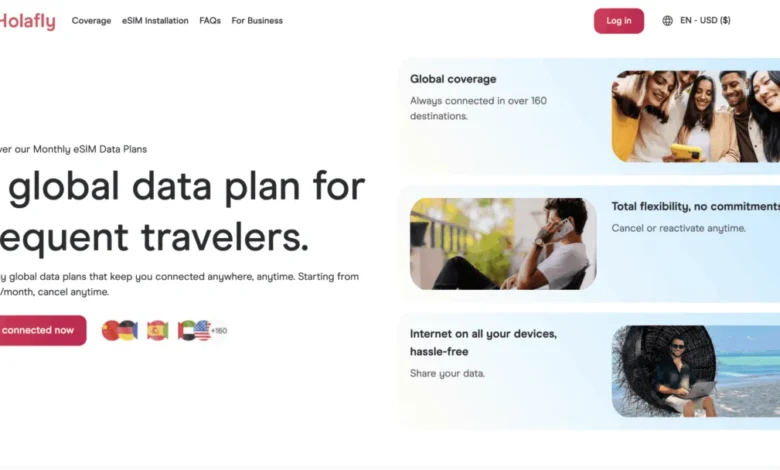
The landscape of international telecommunications is undergoing a significant transformation as digital infrastructure replaces traditional physical hardware. Historically, travelers crossing international borders were required to either pay exorbitant roaming fees to domestic mobile carriers or navigate the complex, often unreliable process of purchasing local physical SIM cards upon arrival. The emergence of the embedded SIM (eSIM) technology has streamlined this process, and the latest iteration—the global subscription-based eSIM—represents a fundamental shift in how long-term travelers and digital nomads maintain consistent, cost-effective connectivity.
The Technological Foundation of eSIMs
An eSIM, or embedded SIM, is a digital equivalent of the traditional plastic subscriber identity module card. Unlike its predecessor, which requires a physical slot and manual insertion into a device, the eSIM is soldered directly onto the smartphone’s motherboard. This architecture allows users to store multiple profiles on a single device, facilitating the seamless switching between home networks and international service providers via software.
The adoption of this technology has accelerated rapidly since the introduction of dual-SIM capability in flagship smartphones from manufacturers such as Apple, Google, and Samsung. Industry data suggests that the eSIM market is projected to reach a valuation exceeding $1.5 billion by 2027, driven by a global increase in remote work and the rising demand for flexible, data-centric mobile solutions.

The Emergence of Subscription-Based Global Plans
The telecommunications sector has recently introduced a new service model: the ongoing, multi-destination subscription. Companies like Holafly have moved beyond the traditional "per-trip" model—where a user purchases a specific data package for a defined geographic area and duration—toward a unified, subscription-based service.
Under this new framework, a single eSIM profile remains active across more than 160 countries. This eliminates the "re-purchasing" cycle that has historically defined international travel, where users frequently had to search for local QR codes or physical kiosks to maintain data access. By treating global connectivity as a standardized utility, these plans offer a level of convenience previously reserved for high-end, international business roaming plans, but at a fraction of the cost.
Comparative Analysis: Traditional Roaming vs. Modern eSIM Solutions
For decades, domestic mobile carriers have dominated the international roaming market, often charging between $10 and $20 per day for limited high-speed data access. These plans frequently involve data throttling, restricted tethering, and strict terms of service that make them untenable for digital nomads or heavy data users.
| Feature | Traditional Carrier Roaming | Standard Prepaid eSIM | Subscription-Based eSIM |
|---|---|---|---|
| Setup Frequency | Automatic | Per-trip/Per-country | Once (ongoing) |
| Cost Efficiency | Low (High daily fees) | Moderate | High (Volume pricing) |
| Data Caps | Frequent/Strict | Defined by package | Unlimited/High-capacity |
| Reliability | Variable | Dependent on local network | Consistent/Seamless |
Analysis of current market offerings indicates that a user opting for a subscription-based model can expect to save between 40% and 60% compared to traditional "travel pass" add-ons offered by major US and European carriers. Furthermore, the inclusion of unlimited hotspot capabilities addresses a critical pain point for professionals who rely on reliable internet for remote video conferencing and large file transfers.
Strategic Advantages for Global Mobility
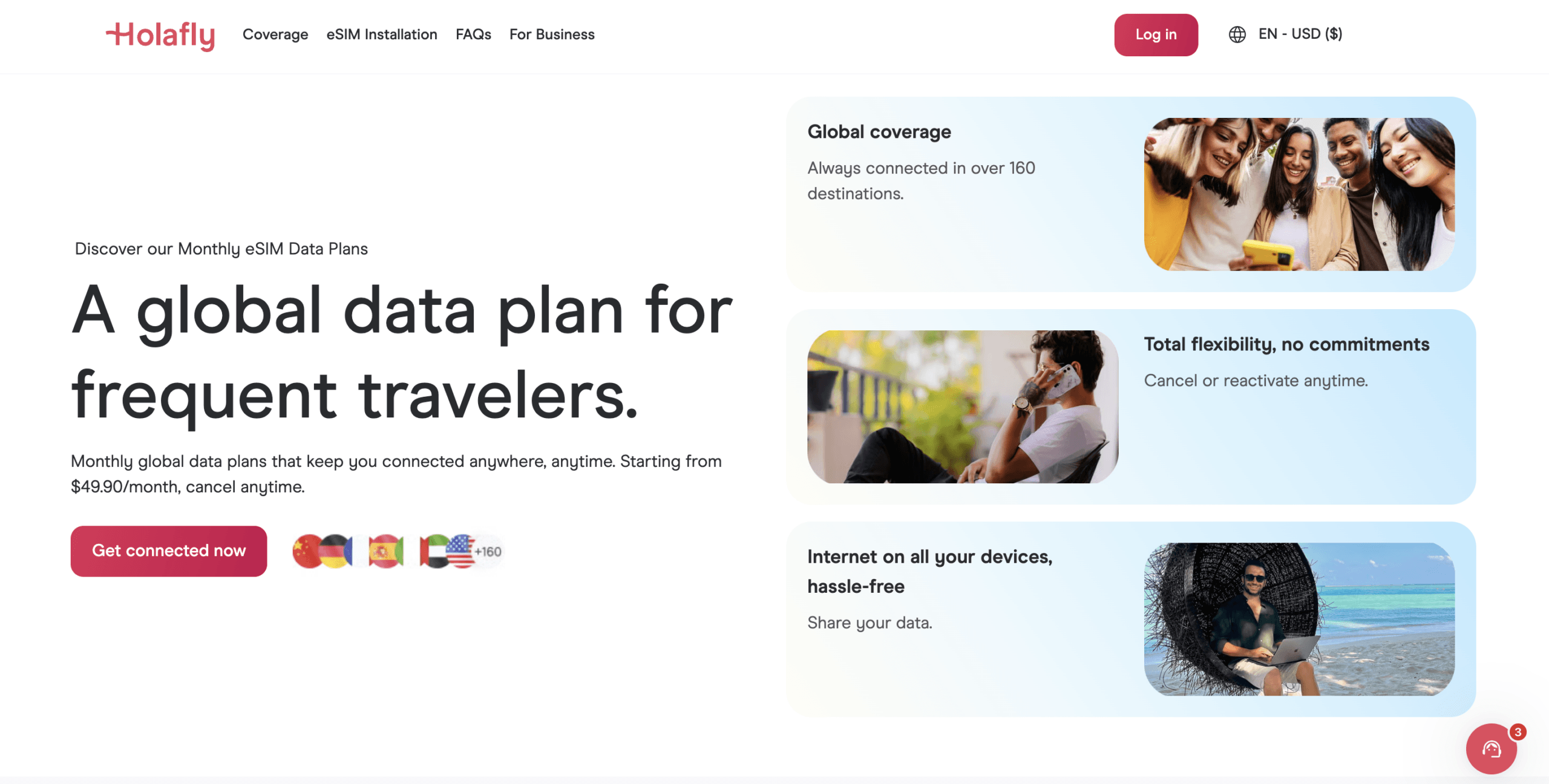
The primary advantage of a consolidated subscription model is the removal of "friction points" during travel. When a user crosses a border, the subscription-based eSIM automatically reconnects to the most reliable local partner network. This removes the administrative burden of monitoring data expiration dates or managing multiple SIM profiles.
Furthermore, these plans have begun to integrate value-added services that were previously excluded from short-term eSIM products. For instance, some providers now include a local phone number based in jurisdictions like the United States, United Kingdom, or Canada. This allows users to receive SMS verification codes for banking and government services—a common hurdle for travelers using standard data-only eSIMs.
Risk Mitigation and The "Always On" Feature
One of the most significant concerns for international travelers is the sudden loss of connectivity, which can pose safety risks in unfamiliar environments. In response to this, the industry is seeing the introduction of "Always On" backup protocols. These features ensure that even if a user’s primary data subscription expires or they choose to cancel their service, a small, baseline amount of data (often 1GB) remains available. This ensures that essential navigation, messaging, and translation services remain functional during transitions between service providers.
Market Implications and Future Outlook
The rise of global subscription eSIMs suggests a broader trend toward the "de-territorialization" of mobile telecommunications. As the infrastructure for global roaming becomes more software-dependent, the traditional reliance on physical, national-based carriers is weakening.
Industry analysts suggest that this trend will force major telecommunications companies to re-evaluate their international roaming fee structures. If a third-party, app-based provider can offer a seamless, unlimited global experience for a fixed monthly rate that is significantly lower than a standard carrier’s "international pass," consumer behavior is likely to shift permanently away from legacy roaming agreements.
However, challenges remain. The reliance on partnerships with local carrier networks means that service quality is ultimately tethered to the infrastructure of the destination country. While these subscription services optimize the delivery of data, they cannot overcome regional limitations in 5G or 4G coverage. Users must still verify local network support before traveling to remote or developing regions.
Considerations for the Consumer
When evaluating the transition to a global eSIM subscription, consumers should consider several factors:
- Usage Patterns: Users who take only one or two international trips per year may find that a traditional, per-trip eSIM remains more cost-effective. The subscription model is specifically engineered for high-frequency travelers who require consistent, "always-on" connectivity.
- Device Compatibility: While the vast majority of modern smartphones manufactured after 2018 support eSIM technology, older devices may lack the necessary hardware. Consumers should consult their device manufacturer’s specifications before signing up for a long-term plan.
- Support Infrastructure: Because these services are entirely digital, the availability of 24/7 customer support—preferably with real-time, human-assisted troubleshooting—is a critical metric for evaluating the reliability of a provider.
- Flexibility and Exit Policies: Prospective users should prioritize providers that offer transparent cancellation policies and, where applicable, prorated refunds or "pause" features, allowing users to suspend their service during periods of inactivity.
Conclusion
The integration of subscription-based eSIM technology into the travel industry marks a maturation of mobile connectivity. By prioritizing user experience, cost-efficiency, and long-term utility, these plans provide a viable alternative to the legacy systems that have long hindered the mobility of the modern workforce. As the technology continues to scale, it is expected that the distinction between "domestic" and "international" data will continue to blur, fostering a truly borderless digital environment for travelers worldwide. The move toward simplified, subscription-based models represents not just a change in billing, but a fundamental improvement in the accessibility and reliability of global communication.