The Synergy of Speech: How Unity Concord International School Created a Self-Sustaining Ecosystem for Youth Voices

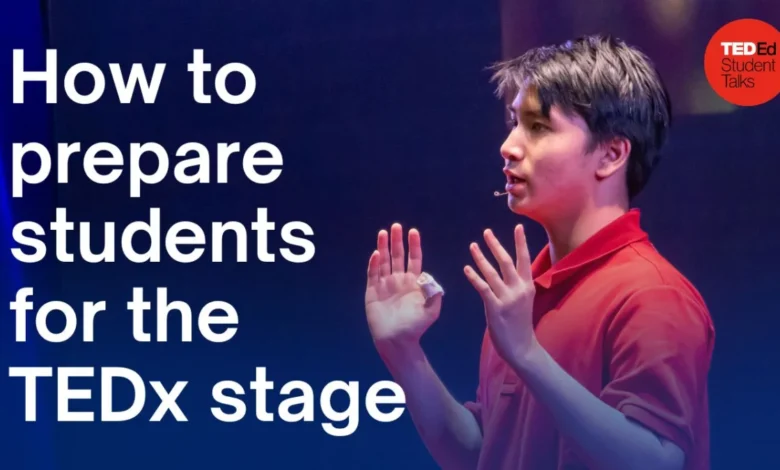
Every educator knows the challenge: teenagers possess profound insights and creative concepts, yet the path from a silent classroom to a public microphone is often obstructed by anxiety, lack of formal training, and the absence of a supportive framework. At Unity Concord International School (UCIS) in Chiang Mai, Thailand, a pedagogical innovation has emerged that bridges this gap. By strategically integrating the year-round TED-Ed Student Talks program with the annual TEDxUCIS Youth event, school administrators have developed a self-sustaining pipeline that fosters oratorical confidence and civic engagement, effectively transforming the school’s academic culture.
The Institutional Strategy: A Dual-Program Framework
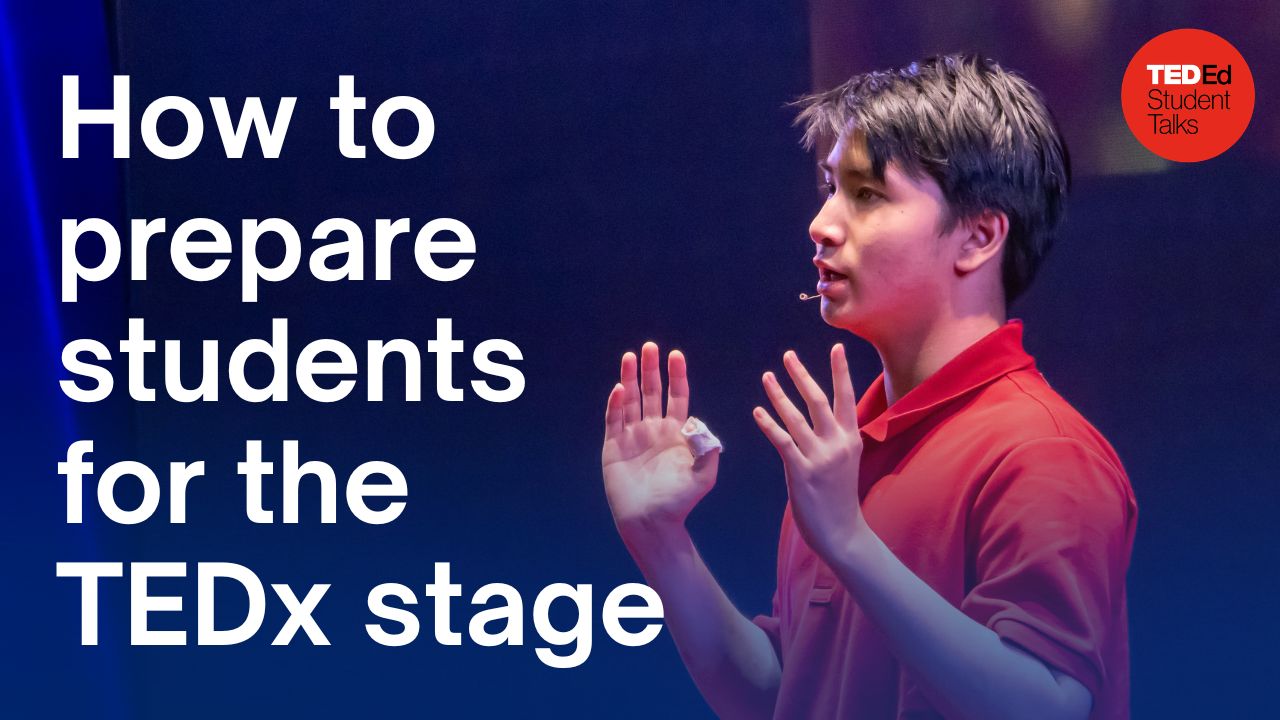
The initiative at UCIS operates on a two-tier structure designed to scaffold the student experience. The foundation is the TED-Ed Student Talks program, which provides a low-stakes, highly structured environment for younger students, typically in the 5th and 6th grades. This program serves as a laboratory for ideas, where students learn to identify their passions, structure their narratives, and practice the fundamentals of rhetoric.
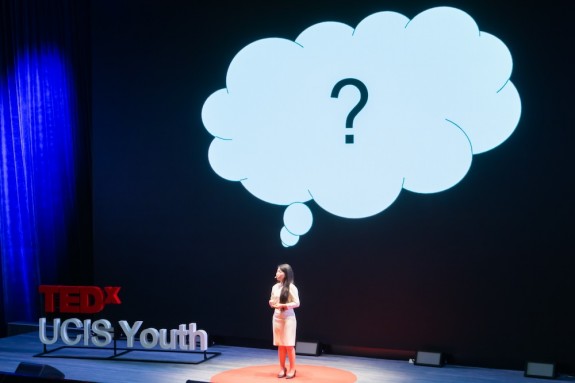
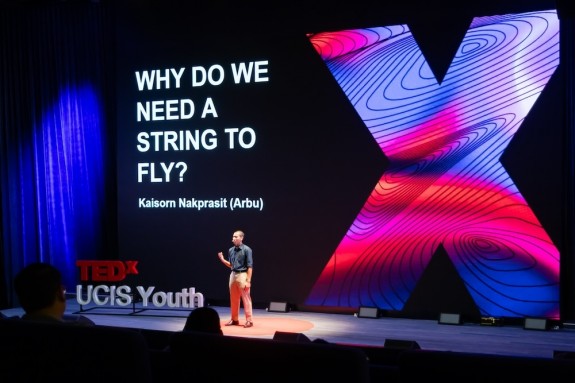
The second tier, the TEDxUCIS Youth event, serves as the culminating showcase. By ensuring that younger participants in the TED-Ed Student Talks program are active members of the TEDx audience, organizers create a continuous cycle of mentorship and aspiration. This proximity to the "main stage" allows younger students to observe older peers modeling the professional presentation skills they are currently developing.
Chronology and Implementation
The success of the program is rooted in a deliberate, multi-year developmental strategy. According to program facilitators, the process begins early in the academic year with targeted outreach. Rather than relying on passive communication like email, coordinators utilize a high-touch engagement strategy, visiting individual homerooms to demonstrate the value of the program.
Data from the school indicates that this peer-to-peer recruitment model has been remarkably effective; the TED-Ed Student Talks group at UCIS is currently operating at maximum capacity. Once the cohort is established, the curriculum deviates from standard guidebooks to include interactive peer-review sessions. Students are encouraged to analyze previous presentations, providing constructive feedback that sharpens their critical thinking and empathetic listening skills. This formative assessment continues throughout the year until the students are prepared for the transition to the more rigorous requirements of the TEDxYouth stage.
Supporting Data and Pedagogical Impact
The integration of these programs provides measurable benefits for both student development and administrative efficiency. For those organizing the TEDx event, the existence of a feeder program like TED-Ed Student Talks significantly reduces the overhead associated with talent scouting and speaker preparation.
"Young people are inherently busy," notes Madison Conger, the TEDxUCIS Youth license holder. "When we reach the point of preparing for the main event, we are not starting from square one. The students already understand the vocabulary of public speaking, the importance of narrative arcs, and the technical requirements of the stage. It creates a seamless roadmap."
From a pedagogical perspective, the impact is longitudinal. Students who engage with the program in middle school enter their high school years with a developed "voice," allowing them to tackle more complex, abstract, and vulnerable topics. This cumulative exposure creates a culture where public speaking is not viewed as a daunting performance, but as a normalized method of communication and community contribution.
Official Perspectives and Program Philosophy
The program’s success is attributed to the collaborative efforts of educators like Abby Schrantz, the school’s TED-Ed Student Talks Coordinator, and leadership from the Ambassador Education Group, represented by International Co-curricular Coordinator Fernando Oringo. Their shared philosophy emphasizes that public speaking is an essential component of modern literacy.
"The goal is not merely to create a one-off project," says Oringo. "It is about building an ecosystem of support. We are seeing students who move from being nervous, hesitant speakers in the 5th grade to becoming confident advocates for change by the time they reach secondary school."
This evolution is evidenced by the nature of the topics presented. Recent talks have transitioned from general interest subjects to deeply personal and sociologically relevant issues, such as the psychological impacts of overthinking, the nuances of societal expectations on adolescents, and the identity challenges faced by "third-culture kids"—students who spend their formative years in environments outside their parents’ home cultures.
Institutional Transformation and Real-World Outcomes
The significance of the UCIS initiative lies in its ability to move beyond the classroom and effect tangible institutional change. The platform provided by TEDxUCIS has become a catalyst for school policy and community support systems.
A notable example occurred following a presentation regarding the specific challenges faced by cross-cultural students in an international school setting. The depth and vulnerability of the talk resonated so strongly with the student body and faculty that it led to the formal creation of a support community for parents and students dealing with similar transitions. This outcome underscores a critical finding: when students are given the tools to articulate their experiences effectively, their ideas can serve as a driving force for organizational improvement.
Broader Implications for International Education
The UCIS model offers a scalable blueprint for other educational institutions. The "pipeline approach"—moving students from foundational, low-stakes workshops to high-visibility public events—mitigates the "fear of failure" often associated with public speaking. By turning the event into a multisensory experience that incorporates art, technology, and community dialogue, the school has elevated the status of the "idea" above the "performance."
For educators seeking to replicate this success, the UCIS experience suggests three primary pillars:
- Normalization: Integrate public speaking into the school’s identity so that it becomes a standard part of the student experience rather than an occasional extracurricular activity.
- Mentorship: Utilize older students who have navigated the program to guide and inspire incoming members, fostering a culture of peer-led learning.
- Institutional Buy-in: Ensure that the ideas generated by students are recognized and, where appropriate, acted upon by the school administration, thereby validating the students’ roles as stakeholders in their own educational community.
Conclusion
As schools worldwide grapple with the need to equip students with 21st-century skills, the model established at Unity Concord International School serves as a compelling case study. By focusing on the ecosystem rather than the event, and by prioritizing the development of the speaker over the perfection of the speech, UCIS has demonstrated that student voice is a powerful, renewable resource.
The program continues to expand, with coordinators emphasizing that the brand recognition of TED provides an immediate, professional hook for students. However, it is the underlying pedagogical structure—the "roadmap" that carries a student from the homeroom to the spotlight—that ensures the sustainability of this initiative. In an era where digital communication often overshadows direct, human-to-human discourse, the ability to stand before a crowd and communicate a transformative idea remains one of the most vital competencies an educator can cultivate. Through its dual-program framework, UCIS is not just teaching public speaking; it is actively shaping the next generation of global change-makers, one talk at a time.