How to Get the New Apple iPhone 18 Pro for Free at T-Mobile Following Apple’s Landmark Fall Event

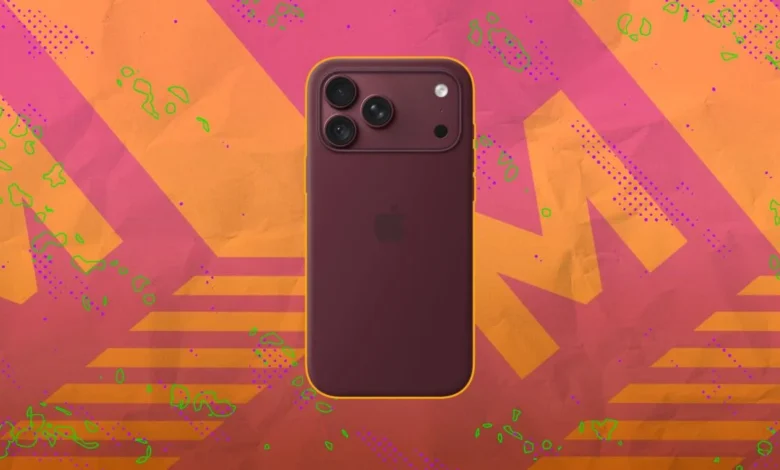
The mobile carrier landscape has shifted dramatically following Apple Inc.’s highly anticipated annual autumn product showcase, where the technology giant unveiled its latest generation of flagship smartphones. Among the flurry of consumer excitement, network operators have rolled out aggressive promotional campaigns to capture early adopters. Prominent among these launch-window offers is a headline-grabbing promotion from T-Mobile, which is making the newly released Apple iPhone 18 Pro available to consumers at no net hardware cost under specific qualifying conditions.
The promotion arrives on the heels of months of intense industry speculation, supply chain leaks, and consumer anticipation. Now that the dust has settled on Apple’s keynote event—which also introduced iterative updates to the Apple Watch lineup and the next generation of AirPods—attention has shifted swiftly from hardware specifications to the financial implications of upgrading. For consumers eager to secure Apple’s premier hardware without absorbing the full retail price upfront, carrier subsidies have once again emerged as the primary vehicle for device acquisition.
Breaking Down the T-Mobile iPhone 18 Pro Launch Promotion
Under the terms of T-Mobile’s newly launched promotional structure, customers can acquire the iPhone 18 Pro entirely free of device charges, provided they meet specific eligibility criteria. To qualify for the maximum hardware credit, consumers must either switch their cellular service provider to T-Mobile and bring their existing mobile telephone number, or participate in the carrier’s device trade-in program.
Notably, the trade-in component of the offer features flexible terms, accepting eligible smartphones in virtually any condition. This lowered barrier to entry is designed to entice hesitant consumers who might otherwise be holding onto older, damaged, or depreciated hardware. However, participation is tied directly to enrollment in T-Mobile’s "Experience Beyond" service tier, the carrier’s flagship unlimited data plan structure.
While the phone itself carries a zero-dollar net cost, consumers must navigate the standard administrative and tax obligations associated with carrier financing agreements. T-Mobile mandates that customers pay the local sales tax calculated on the device’s full retail value upfront at the point of purchase. Additionally, a standard device connection fee of $35 per line is applied at checkout.
The core financial incentive—the retail cost of the iPhone 18 Pro—is distributed back to the consumer through a series of monthly bill credits applied over a 36-month payment plan. This extended commitment period ensures that the carrier secures long-term service revenue, aligning the hardware subsidy with a three-year customer retention strategy. Industry analysts note that while 36-month financing agreements have become the standard across major US carriers (including AT&T and Verizon), they effectively bind the consumer to a single provider for a longer duration than historical two-year contract models.
Background Context and the 2026 Apple Hardware Cycle
The introduction of the iPhone 18 Pro represents the latest milestone in Apple’s continuous smartphone development cycle. Over the past decade, September hardware events have established a predictable rhythm for the consumer electronics industry, dictating fourth-quarter financial performance for both Apple and its retail partners.
The months leading up to the 2026 autumn event were characterized by typical pre-launch discourse, focusing on projected advancements in processing architecture, camera array capabilities, battery efficiency, and materials science. Technology journalists and supply chain analysts scrutinized component orders and manufacturing yields, creating a heightened state of consumer readiness by the time Apple Chief Executive Officer Tim Cook took the stage to officially reveal the hardware.
Historically, the introduction of a "Pro" designated iPhone model targets power users, enterprise consumers, and photography enthusiasts willing to pay a premium for advanced computational photography tools, higher refresh-rate displays, and robust mobile processing capabilities. By subsidizing this high-tier device through multi-year service contracts, carriers like T-Mobile aim to accelerate the migration of their subscriber base to 5G-advanced infrastructure and higher-margin unlimited service plans.
Chronology of the Release and Promotional Rollout
The rollout of the iPhone 18 Pro and its associated carrier promotions follows a tightly coordinated timeline typical of the consumer technology sector:
- Spring and Summer 2026: Persistent industry leaks and supply chain reports circulate regarding the technical specifications, display dimensions, and expected thermal management systems of the forthcoming iPhone 18 series.
- Early September 2026: Apple formally issues press invitations for its annual autumn keynote event, confirming the date for hardware announcements.
- Mid-September 2026: Apple hosts its flagship presentation, officially unveiling the iPhone 18 Pro, iPhone 18 Pro Max, alongside new iterations of the Apple Watch and AirPods. Pre-orders open within days of the announcement.
- Late September 2026: Official retail availability begins. Major telecommunications providers, including T-Mobile, deploy aggressive launch-day promotions—such as the zero-cost trade-in and port-in offers—to capture market share during the initial wave of consumer demand.
Industry Analysis: The Economics of Carrier Subsidies
The strategy of offering high-end smartphones like the iPhone 18 Pro "for free" via monthly bill credits is a well-established mechanism within the modern telecommunications industry. Rather than offering direct retail discounts, carriers use hardware as a loss-leader or customer-acquisition tool to secure long-term service contracts.
From an analytical perspective, this model offers distinct advantages and trade-offs for both parties:
For the Consumer:
- Lower Upfront Barrier: Eliminates the need to pay a lump sum exceeding $1,000 for a flagship device at the time of purchase.
- Accessibility: Broad trade-in acceptance (devices accepted "in any condition") allows owners of severely depreciated or non-working hardware to extract maximum residual value.
- Long-Term Commitment: Requires the consumer to maintain service with T-Mobile for 36 consecutive months. Canceling the service or porting the number out before the term concludes accelerates the remaining balance of the device financing agreement, making it immediately due in full.
For the Carrier (T-Mobile):
- Subscriber Acquisition and Retention: Secures new customer additions from competing networks while locking existing subscribers into a three-year retention window.
- Plan Upgrades: Directs customers toward higher-tier service plans (such as the Experience Beyond tier), increasing average revenue per user (ARPU).
- Ecosystem Lock-in: Capitalizes on consumer loyalty to the Apple ecosystem to drive consistent, predictable service revenue over an extended period.
Broader Market Implications
The launch of the iPhone 18 Pro and the aggressive promotional environment established by T-Mobile and its competitors highlight the competitive nature of the post-pandemic telecommunications market. With smartphone innovation largely shifting toward incremental refinements—such as software-driven artificial intelligence features, display efficiency, and marginal battery life improvements—hardware alone is occasionally insufficient to drive massive upgrade cycles.
Consequently, carrier financing and promotional trade-ins have become the primary catalysts influencing consumer behavior. Market research firms consistently indicate that the vast majority of premium smartphone purchases in the United States are now facilitated through carrier installment plans or promotional credits rather than outright cash purchases.
As the retail market absorbs the initial wave of iPhone 18 Pro adoption, attention will likely turn to holiday shopping season performance and whether competing national carriers adjust their subsidy models to counter T-Mobile’s aggressive port-in and trade-in terms. For now, consumers positioned to switch providers or trade in legacy hardware have a narrow window to capitalize on launch-period incentives before standard promotional structures resume.
Related posts: