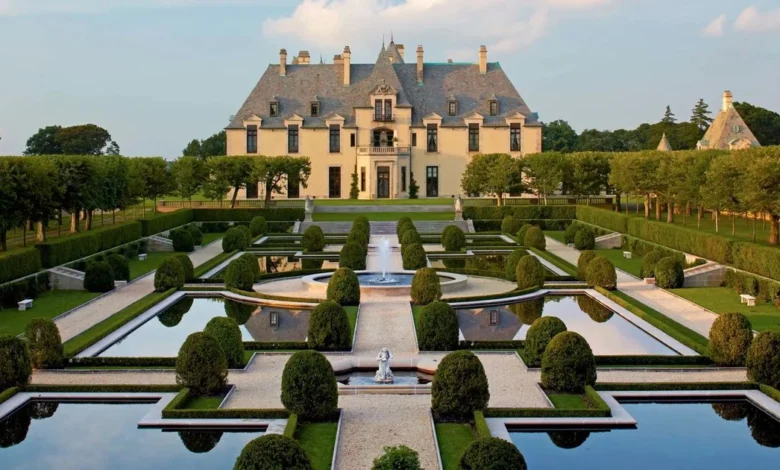
The Gilded Age architectural marvel known as Oheka Castle, a sprawling 110,000-square-foot testament to American excess, has officially been listed for auction. Situated in the affluent enclave of Cold Spring Harbor, New York, the estate—frequently cited as the inspiration for the titular setting in F. Scott Fitzgerald’s The Great Gatsby—is set to go under the hammer on October 27. The auction, managed by Concierge Auctions in partnership with broker Adam Modlin, represents a pivotal moment for one of the most historically significant and physically imposing private residences in the United States.
The decision to auction the property follows a period of financial distress for current owner and developer Gary Melius. After filing for bankruptcy, Melius is now tasked with offloading the estate, which has functioned as a high-end hotel, event venue, and cultural landmark for decades. The auction will proceed with no minimum bid, a high-stakes strategy that underscores the complexities of maintaining a property of such immense proportions in the modern real estate market.
A Legacy of Opulence and Innovation
Oheka Castle was commissioned in 1914 by Otto Hermann Kahn, a German-born investment banker and philanthropist whose influence on American culture and finance during the early 20th century was profound. Often regarded as the inspiration for the "Monopoly Man" mascot, Kahn sought to build a residence that could rival the grandest estates of Europe. Construction was completed in 1919 at a staggering cost for the time, cementing its status as the second-largest private home ever built in the United States, surpassed in size only by the Biltmore Estate in Asheville, North Carolina.
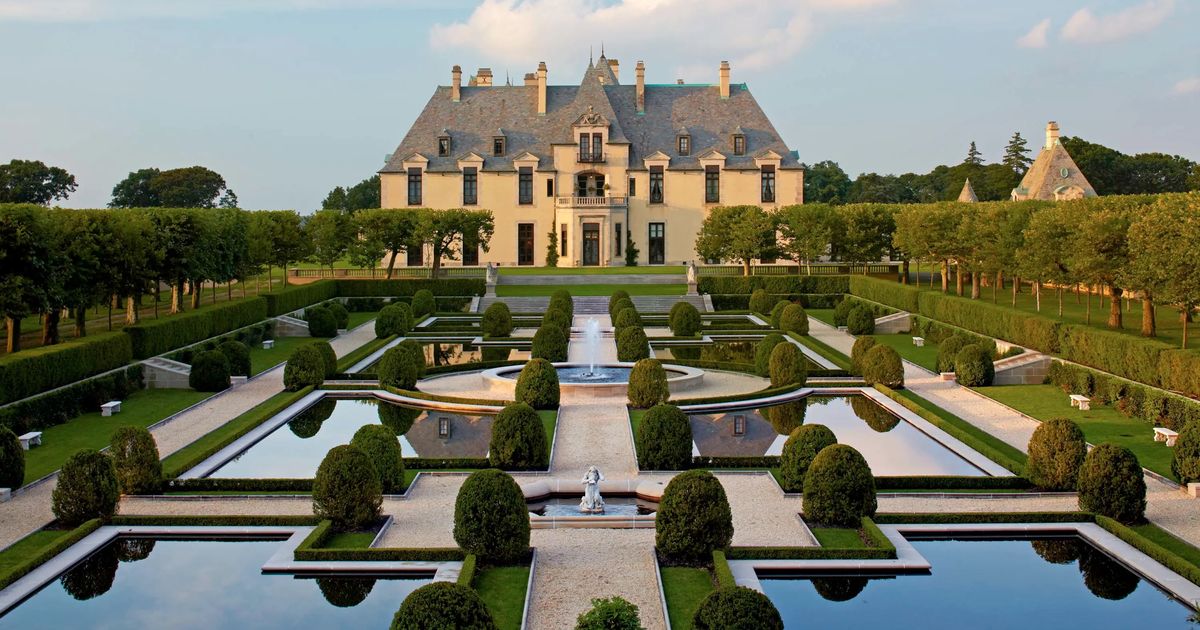
Kahn’s motivation for building such a fortress was personal. Having been excluded from elite, established country clubs on the basis of his Jewish heritage, he effectively created his own sanctuary. The estate’s grounds, meticulously designed by the renowned Olmsted brothers, span 23 acres and feature nine reflecting pools, formal gardens, and a sophisticated network of tunnels originally intended for staff access and logistics.
The estate’s history is marked by narrow escapes from obscurity. During the mid-20th century, the property faced a significant threat when urban planner Robert Moses proposed the construction of the Northern State Parkway directly through the heart of the estate. Kahn reportedly utilized his immense wealth and social influence to negotiate a rerouting of the highway, creating the famous sharp curve that remains a point of intrigue for local historians and urban planners.
From Private Sanctuary to Institutional Use
Following Kahn’s death in 1934, the estate was sold by his heirs in 1939. For the next several decades, Oheka Castle underwent a series of indignities, serving as a retirement home for municipal employees, a military training facility, and, eventually, a boarding school. By the late 20th century, the building had fallen into a state of severe disrepair, its former grandeur obscured by decades of neglect and institutional repurposing.
The property’s renaissance began in 1984, when developer Gary Melius purchased the derelict shell. What followed was arguably the most ambitious and expensive private restoration project in American history. An estimated $40 million was poured into the structure to restore its original Jazz Age aesthetics, including the intricate faux bois wood graining in the library and the restoration of the 72-foot-long ballroom. Melius successfully pivoted the property toward the hospitality industry, transforming the mansion into a premier venue for luxury weddings, corporate retreats, and high-profile film productions.
Cultural Cachet and Modern Utility
Oheka’s reputation as a cultural touchstone has only grown in recent years. Its dramatic architecture and cavernous interiors have made it a favorite for film and television productions. Most notably, the castle served as a key location for the HBO drama Succession, where it hosted the infamous "Boar on the Floor" corporate retreat episode. It has also appeared in cinematic history as the stand-in for the Xanadu estate in Orson Welles’ Citizen Kane and as the backdrop for Taylor Swift’s "Blank Space" music video, which utilized the grand library and terrace to evoke an atmosphere of modern aristocratic drama.
Despite its pop-culture fame, the property is a logistical and financial behemoth. The current listing includes 34 guest suites, a full-service restaurant and bar, and extensive banquet facilities. Furthermore, the auction package includes development rights for 95 condominiums on five subdivided acres, a strategy Melius pursued in an attempt to stabilize the estate’s long-term financial viability.
The Brokerage and the Auction Strategy
Adam Modlin, the lead broker from The Modlin Group overseeing the sale, is well-versed in the challenges of moving "trophy" assets. Modlin previously facilitated the sale of Jeffrey Epstein’s Upper East Side townhouse and managed the $47 million sale of Ronald Perelman’s residence. In his public statements, Modlin has emphasized the "Gatsby" quality of Oheka, positioning it not merely as a piece of real estate, but as a unique opportunity for an investor to steward a piece of American history.
The decision to utilize an auction format with no minimum bid is reflective of a broader trend in the luxury real estate market for ultra-high-end, singular properties. By removing the traditional "list price," sellers aim to incite competitive bidding among a global pool of ultra-high-net-worth individuals, effectively letting the market determine the true value of an asset that is difficult to compare to traditional luxury homes.
Implications and Future Outlook
The sale of Oheka Castle raises questions about the future of such massive Gilded Age estates. As the costs of labor, maintenance, and property taxes continue to rise, the economic model for keeping such structures as private or even boutique hospitality venues is increasingly fragile. The successful bidder will face the same fundamental challenge that previous owners have encountered: how to generate enough revenue to offset the astronomical overhead of a building that requires constant, specialized maintenance.
Potential futures for the site vary. A buyer could opt to continue the current hospitality model, potentially leveraging the existing approvals for residential development to create a mixed-use luxury enclave. Alternatively, the estate could be returned to a strictly private residence, though the scale of such a project would require a level of investment currently reserved for the world’s wealthiest individuals.
For the community of Huntington and the broader Long Island region, the fate of the castle is of significant local importance. The estate is a major contributor to the local tourism economy and a permanent fixture in the region’s historical identity. As the October 27 auction date approaches, observers and investors alike will be watching to see if the "Xanadu of Long Island" can secure a future as bright as its storied past. Whether it becomes a private residence, a modernized resort, or a repurposed development site, Oheka remains an indelible monument to the era of American grandiosity.
Related posts: