Living Like a Local: The Best Madrid Airbnbs for Historic Charm, Modern Design, and Central Locations

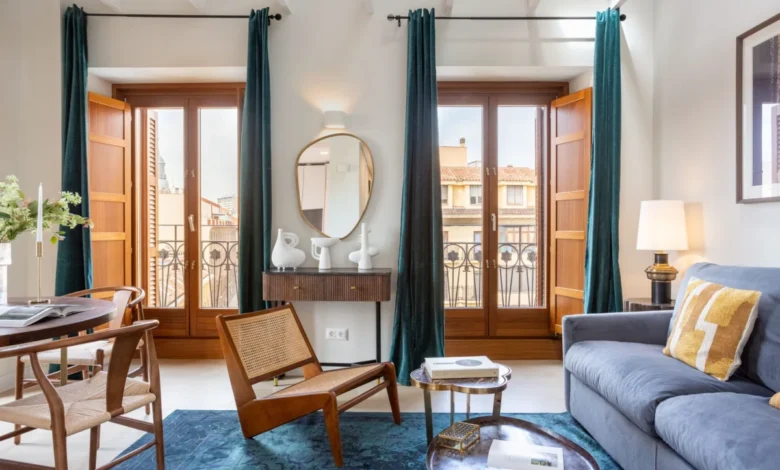
The Spanish capital has long offered a diverse spectrum of hospitality options, ranging from grand, historic luxury properties like the Four Seasons Hotel Madrid and the Mandarin Oriental Ritz to charming, independent boutique stays. However, an evolving segment of travelers increasingly seeks out private homestays to experience the city from a residential perspective. For those prioritizing local immersion, unique architectural aesthetics, and often more cost-effective accommodations, renting an Airbnb in Madrid has emerged as a premier travel strategy.
A curated selection of exceptional apartments across the city highlights what makes the local homestay market so compelling. Whether travelers are searching for expansive sun-drenched terraces, cutting-edge interior design spearheaded by renowned architects, or prime real estate just steps away from Madrid’s primary cultural and culinary landmarks, the city’s top-tier rentals cater to a wide array of preferences. This guide evaluates the best-vetted Madrid Airbnbs, selected meticulously based on Superhost and Guest Favorite designations, exceptional review scores, premium amenities, and striking interior decor.
The Evolution of Urban Travel and Homestays in Madrid
Madrid’s tourism sector has experienced explosive growth over the past decade, transforming the city into one of Europe’s most visited destinations. According to regional tourism boards, the Spanish capital welcomed millions of international and domestic visitors eager to explore its world-class museums, vibrant culinary scene, and historic neighborhoods.
Traditionally, this influx was absorbed primarily by legacy hotels and traditional guesthouses (pensiones). However, the rise of short-term rental platforms fundamentally shifted consumer habits. Travelers increasingly demand accommodations that offer residential autonomy, fully equipped kitchens, distinct neighborhood integration, and personalized hosting. In response, property owners and interior designers in Madrid have elevated the standard of short-term rentals, merging historical preservation with contemporary luxury.
Properties featuring original 19th-century wrought-iron balconies, exposed wooden beams, and high ceilings are frequently paired with minimalist Italian kitchens, smart-home automation, and curated contemporary art. This fusion allows visitors to feel as though they are temporarily residing in a high-end local residence rather than a standardized hotel room.

Vetting Standards: What Makes a Top-Tier Airbnb?
Navigating the vast inventory of short-term rentals in a major European capital requires strict filtering criteria. The properties highlighted in premier travel publications are not chosen at random. Instead, they undergo rigorous evaluation based on several key performance and quality indicators:
- Superhost and Guest Favorite Status: Platforms utilize algorithmic and community-driven badges to highlight hosts with proven track records of reliability, cleanliness, and exceptional guest communication.
- Design and Architecture: Aesthetic value plays a critical role. Properties that showcase thoughtful interior architecture, preservation of historical elements, and high-end furnishings are prioritized over generic accommodations.
- Location and Accessibility: Proximity to major transport hubs—such as the Madrid Metro system—and central walking districts like Malasaña, Chueca, Centro, and Salamanca ensures that guests can navigate the city effortlessly.
- Verified Guest Satisfaction: Historical review data, cleanliness ratings, and comfort metrics submitted by actual travelers serve as the ultimate litmus test for inclusion.
Neighborhood Breakdown: Where to Stay in Madrid
To fully appreciate Madrid, visitors must understand its distinct neighborhoods (barrios), each offering a completely different atmosphere. Selecting the right Airbnb often depends entirely on the traveler’s personal itinerary and lifestyle preferences.
Centro and Sol: The Historic Heart
For first-time visitors who want to be within walking distance of the Puerta del Sol, the Royal Palace, and the Plaza Mayor, staying in Centro is ideal. Airbnbs in this district frequently occupy historic, multi-story buildings dating back to the late 19th and early 20th centuries. While properties here can occasionally experience urban noise, they compensate with unmatched proximity to historic monuments, traditional tapas bars, and bustling plazas.
Malasaña and Chueca: The Creative and Bohemians Hubs
Art lovers, vintage shoppers, and night-life enthusiasts often gravitate toward Malasaña and Chueca. These neighborhoods are defined by narrow, winding streets, independent boutiques, specialty coffee shops, and a vibrant cultural energy. Airbnbs in these areas tend to feature eclectic, bohemian-chic interiors, often boasting large windows that open up to lively street scenes.
Salamanca: Sophisticated Luxury
For travelers seeking high-end shopping, wide tree-lined boulevards, and architectural grandeur, the upscale Salamanca district is the definitive choice. Rentals here lean heavily toward luxury, featuring spacious layouts, designer furnishings, elevator access in historic buildings, and proximity to Madrid’s Golden Mile of luxury retail.
Economic and Regulatory Implications of Short-Term Rentals
The proliferation of platforms like Airbnb in major European cities has not been without controversy. Over the past several years, municipal authorities in Madrid, alongside national regulatory bodies in Spain, have introduced stricter zoning laws and registration requirements for short-term rental properties.

City planners and local housing advocates have raised concerns regarding the impact of tourist apartments on long-term residential housing availability and rising rental costs for permanent residents. In response, the Madrid City Council has enforced stringent licensing frameworks, requiring hosts to secure official municipal registration numbers and adhere to maximum capacity limits and noise regulations.
These regulatory shifts have gradually weeded out unlicensed operators, leaving a more professionalized market dominated by compliant, high-quality properties managed by experienced hosts and property management firms. For travelers, booking a verified listing ensures not only a superior stay but also supports a legal, regulated tourism ecosystem within the city.
Practical Tips for Booking and Staying in Madrid
Securing the ideal Airbnb in Madrid requires strategic planning, particularly given the city’s peak tourism seasons during the spring (April to June) and autumn (September to November) when weather conditions are optimal for walking and outdoor dining.
- Book Well in Advance: Exceptional properties with high ratings and unique architectural features tend to book months ahead, especially during major cultural events, festivals, and international football matches.
- Verify Accessibility: Many of Madrid’s most historic and charming buildings—particularly in Centro and Malasaña—were constructed decades or centuries ago. Travelers with mobility considerations should always confirm whether a building features an elevator (ascensor), as walk-up apartments on the third or fourth floor are common.
- Understand Local Customs: Staying in an apartment allows travelers to engage directly with neighborhood life. Visiting local morning markets (mercados), purchasing fresh produce, and supporting neighborhood bakeries enrich the travel experience far beyond standard hotel tourism.
Conclusion
While Madrid boasts an enviable portfolio of legendary luxury hotels, the city’s short-term rental market offers a deeply immersive, flexible, and architecturally diverse alternative. By selecting a meticulously vetted Airbnb that combines historic neighborhood charm with modern interior comfort, travelers can unlock a more authentic side of the Spanish capital—living, dining, and resting precisely as the locals do.
Related posts: