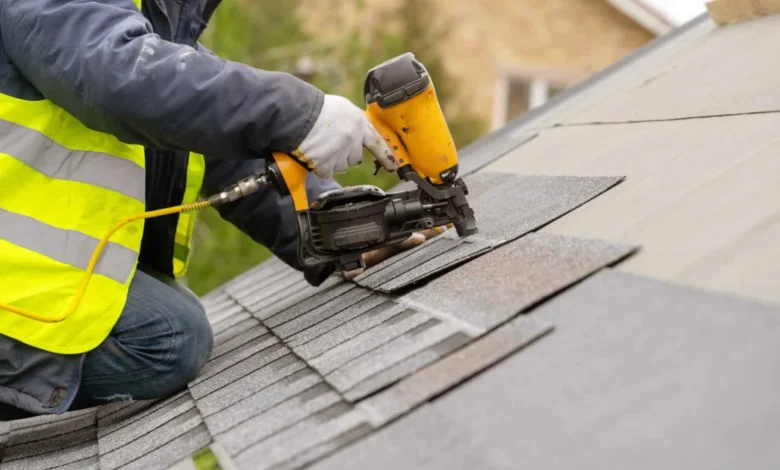
The question of whether installing a new roof increases home value is a central consideration for homeowners navigating the modern real estate market. As property owners weigh the financial return of major capital improvements against the realities of selling a home, roofing projects consistently stand out as one of the most substantial investments a household can undertake.
According to industry data and insights from leading real estate and construction professionals, a new roof certainly impacts a property’s market value, appraisal potential, and overall buyer appeal. However, the financial return is rarely a direct dollar-for-dollar translation. The ultimate value added depends heavily on the pre-existing condition of the roof, the quality and choice of materials, prevailing local market dynamics, and buyer expectations across different regions—from metropolitan centers like Denver, Colorado, to historic housing markets in Boston, Massachusetts.
Understanding the Mechanics of Roof Replacements and Resale Value
When evaluating home improvement projects, homeowners frequently look for those that promise a high return on investment (ROI). While a roof replacement dramatically improves a property’s exterior, the national average figures indicate that homeowners typically recoup a portion, rather than the entirety, of the installation costs upon selling.
Data from the 2025 Cost vs. Value Report illustrates that a standard asphalt-shingle roof replacement commands a national average cost of approximately $31,871. Upon resale, this upgrade adds an estimated $21,501 to the home’s value, translating to a cost-recoupment rate of roughly 67.5 percent. While this might suggest a net financial loss on paper, industry experts emphasize that raw appraisal numbers fail to capture the broader, intangible advantages a new roof introduces to a real estate transaction.
Mark Mueller, founder of Mueller Builders, notes that the true power of a new roof lies in its ability to streamline the sales process. "A new roof significantly enhances a home’s market appeal by eliminating one of the most daunting inspection hurdles for potential buyers," Mueller explains. Beyond immediate curb appeal, a modern roofing system offers buyers profound peace of mind regarding long-term structural integrity. Crucially, replacing an aging roof frequently prevents costly price concessions during negotiations and helps homes sell much faster in competitive environments.
Technological Advancements and Material Longevity
The evolution of building materials has fundamentally shifted how buyers and appraisers view the lifespan and value of a modern roof. Jordan Phillips, president of Liberty Home Remodeling, points out that contemporary manufacturing techniques have drastically extended the durability of roofing systems.
"With today’s roofing technologies, many new roofs can last 40 to 50 years, making a roof replacement arguably one of the most valuable structural improvements a homeowner can make," Phillips states.
Furthermore, the choice of material dictates both the upfront investment and the perceived long-term value. Ken Girard, president of Apex Exteriors, explains that material selection plays a pivotal role in consumer psychology. "A new architectural asphalt shingle roof may give a buyer peace of mind knowing they likely won’t need to replace it for 20 or more years. Higher-end materials, such as composite or standing seam metal roofing, can offer even higher durability and longer expected lifespans," Girard notes.
How a New Roof Influences Home Appraisals
Homeowners frequently assume that completing a high-ticket exterior renovation will result in a direct, proportional spike in their home appraisal value. In practice, professional appraisers evaluate a property through a holistic lens that encompasses square footage, structural features, geographic location, and recent comparable sales.
A new roof does not automatically inflate an appraisal by a fixed dollar amount equal to its installation cost. Instead, the condition of the roof contributes to the appraiser’s overall evaluation of the property’s effective age and overall condition. If an existing roof exhibits advanced deterioration, active leaks, or storm damage, the appraiser may categorize the home’s condition as fair or poor, which directly depresses the final valuation.
Replacing a compromised roof removes these negative markers, stabilizing the home’s baseline appraisal value. Consequently, financial analysts advise against replacing a roof solely to boost an appraisal if the existing structure is already in sound, uncompromised condition. The financial return is maximized precisely when the old roof is failing and threatening the overall valuation of the asset.

Strategic Timing: Should You Replace Your Roof Before Selling?
Deciding whether to execute a full roof replacement prior to listing a property requires a calculated assessment of the local housing market, the seller’s timeline, and the physical state of the current roofing infrastructure.
In a seller’s market characterized by low inventory and high buyer demand, properties often sell quickly "as-is," with buyers willing to overlook minor deferred maintenance. Conversely, in balanced or buyer-leaning markets, visible exterior wear can become an immediate deterrent. Girard warns that an aging roof can prompt buyers to heavily discount their purchase offers—frequently slashing their bids by amounts far exceeding the actual cost of a professional roof replacement.
Furthermore, standard real estate transactions involve a mandatory home inspection clause. If a pre-sale inspection reveals significant roof damage, buyers typically respond in one of several ways:
- Demanding a complete financial credit or price reduction to cover future replacement costs.
- Requesting extensive repairs before closing the deal.
- Walking away from the transaction entirely out of fear of hidden structural liabilities.
By proactively addressing roofing issues before hitting the market, sellers eliminate these negotiation roadblocks, ensuring a smoother escrow period.
Comparative Analysis: Roof Repair Versus Full Replacement
Not every roofing issue necessitates a total tear-off and replacement. Property owners must balance the severity of the damage against the remaining lifespan of the materials. Below is a structured guide to evaluating common roofing scenarios and their standard professional remedies:
| Situation | Recommended Solution | Operational Impact |
|---|---|---|
| A few shingles are damaged, curling, or cracked | Spot repairs | Easily and economically replaced; requires color-matching with existing materials. |
| Water stain or localized leaking | Partial re-roofing | A cost-effective fix for isolated damage, though viable only a limited number of times before a full replacement becomes necessary. |
| Roof has reached or exceeded 20 years of age | Full replacement (tear-off vs. overlay) | Mitigates cascading structural vulnerabilities, protects the home envelope, and maximizes resale appeal. |
| Visible sagging or uneven surface planes | Full replacement with structural assessment | Indicates underlying framing damage; essential for safety, structural stability, and code compliance. |
| Excessive granule loss accumulating in gutters | Spot repairs or partial re-roofing | Signals advanced material degradation; immediate intervention required to maintain weatherproofing. |
Financial Breakdown: What Does a New Roof Cost?
Entering the housing market or planning a major capital improvement requires a clear understanding of current economic realities. In 2026, standard roof replacement costs generally fluctuate between $4 and $11 per square foot. For the average single-family home, total expenditures range from $8,000 to $30,000.
The final invoice is dictated by three primary cost drivers:
- Total surface area and structural complexity, including steep pitches, multiple gables, and complex architectural designs.
- Material selection, spanning standard asphalt architectural shingles up to premium slate, tile, standing seam metal, or synthetic composite systems.
- Labor rates and regional economic factors, which vary substantially between high-cost metropolitan areas and rural regions.
Additional expenses may also arise if the tear-off process reveals rotted plywood decking, compromised flashing, or inadequate attic ventilation that must be brought up to current municipal building codes.
The Broader Economic Implications and Conclusion
Ultimately, the decision to invest in a new roof is both a financial strategy and a maintenance necessity. While a replacement project may not yield a 100% financial return at the closing table, its true value is manifested in marketability, reduced negotiation friction, and the prevention of structural degradation.
For homeowners preparing to sell, a well-maintained or brand-new roof serves as a powerful visual signal of overall property stewardship. By consulting with local real estate professionals, obtaining professional roof inspections, and weighing repair costs against potential buyer concessions, property owners can make informed, data-driven decisions that optimize both their living experience and their ultimate return on investment.