Flock Safety Offers Generous Voluntary Buyouts Amid Surging Privacy Backlash and Massive Municipal Contract Cancellations

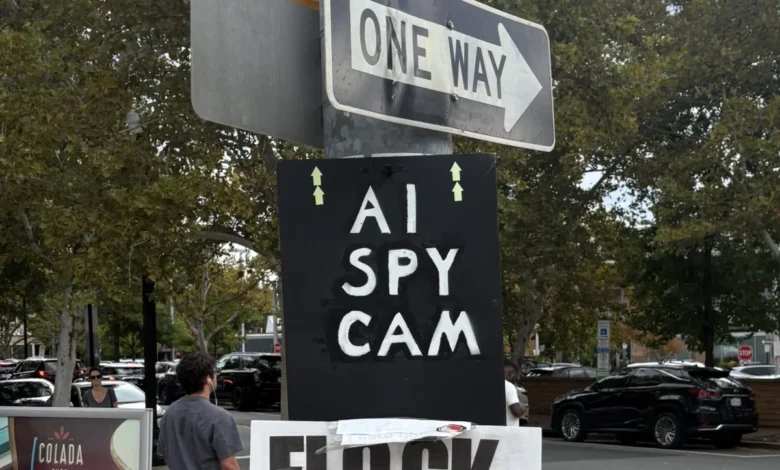
Surveillance technology provider Flock Safety has announced a sweeping and lucrative voluntary severance program directed at its approximately 1,500-person workforce, as the company grapples with an intense wave of public backlash, regulatory rebuffs, and a rapid decline in municipal contracts. According to internal communications reviewed by industry media, the company has characterized these exit packages as the most generous in its corporate history. Leadership anticipates that a substantial portion of its employees will express interest in the program, and management has signaled that the vast majority of those applicants will have their departures approved.
The decision to roll out voluntary buyouts serves a dual purpose for the embattled firm. Beyond managing operational overhead, the program offers a strategic mechanism to phase out personnel who have become demoralized by the relentless public scrutiny and negative media coverage surrounding the company’s automated license plate recognition (ALPR) and surveillance camera networks. Industry analysts note that without this voluntary attrition pathway, the startup would have almost certainly been forced to execute involuntary layoffs to right-size its workforce in the face of dwindling revenue streams.
Background Context of the Crisis
Flock Safety rose to prominence as a darling of the law enforcement technology sector, marketing its solar-powered cameras and advanced machine-vision software to police departments and homeowners associations across the United States. The company’s hardware is designed to capture vehicle details—including make, model, color, and license plate information—while building a searchable database that police agencies can use to track vehicle movements in real time and retrospectively.
For years, the pitch resonated with local governments looking to bolster public safety with automated tools. However, the rapid proliferation of these cameras transformed private driveways, suburban intersections, and highway off-ramps into a vast, interconnected dragnet. Civil liberties organizations, privacy advocates, and local communities increasingly raised alarms over the scale of data collection, the retention periods of captured footage, and the lack of robust legislative oversight governing how law enforcement agencies share and utilize the aggregated information.
Chronology of the Backlash
The tipping point for Flock Safety’s current crisis arrived over the summer of 2026, triggering a cascading series of reputational and financial blows that fundamentally altered the company’s trajectory.
The trouble intensified significantly in August 2026, when an investigative report published by The Washington Post exposed widespread misuse of the surveillance technology. The publication identified at least 46 distinct cases in which police officers were formally accused of exploiting their access to Flock’s camera networks to spy on private citizens. Among the most egregious allegations were instances of law enforcement personnel using the system to stalk estranged wives, girlfriends, and ex-partners, laying bare the profound risks associated with inadequate access controls and porous internal auditing mechanisms within client agencies.

The fallout was swift and severe. State governments began taking direct regulatory action to distance themselves from the controversial startup. Both Florida and Texas—traditionally strong markets for law enforcement and security technologies—announced official measures to block and phase out the use of Flock cameras, citing mounting privacy concerns and a failure to adequately safeguard citizen data.
Simultaneously, municipal resistance snowballed. An independent anti-surveillance advocacy group tracking municipal contracts reported a staggering wave of cancellations, noting that at least 90 cities officially dropped Flock Safety contracts during the month of August alone. This figure represented a fourfold increase in contract terminations compared to the preceding month, illustrating how quickly public trust had eroded among local elected officials and constituents.
Official Responses and Internal Morale
As the crisis mounted, Flock Safety’s leadership attempted to navigate the public relations disaster while managing internal anxiety. Garrett Langley, the chief executive officer of Flock Safety, addressed the turmoil candidly during a recent appearance on the All-In podcast. Langley acknowledged that the organization was facing unprecedented headwinds, explicitly stating that the single "biggest damage" inflicted by the unfolding controversy was the profound toll it had taken on internal morale.
Employees accustomed to building technology they believed contributed positively to community safety suddenly found themselves at the center of a national firestorm regarding civil rights and government overreach. By offering an attractive financial cushion to those wishing to exit, Flock is attempting to stabilize its remaining workforce while clearing out personnel who no longer wish to be associated with the brand.
Broader Impact and Industry Implications
The struggles faced by Flock Safety carry profound implications for the broader GovTech and law enforcement surveillance sectors. The rapid evaporation of municipal contracts underscores a growing fatigue among local governments regarding unregulated data collection and the opaque partnerships often forged between cash-strapped police departments and private technology vendors.
Furthermore, the exposure of police misconduct utilizing the platform highlights a critical vulnerability in the modern policing apparatus: the delegation of surveillance powers to private corporations without commensurate federal or state privacy guardrails. As civil liberties groups step up their legal and political challenges, lawmakers across multiple jurisdictions are drafting legislation aimed at restricting automated license plate readers, mandating strict data purging schedules, and requiring public transparency reports before police departments can procure similar technologies.
For Flock Safety, the road ahead remains fraught with uncertainty. While the voluntary buyout program may temporarily alleviate immediate labor friction and prevent forced layoffs, the company faces the monumental challenge of rebuilding its brand reputation, restoring internal confidence, and convincing skeptical lawmakers that its technology can be deployed safely and ethically in a shifting regulatory landscape.
Related posts: