The year 2008 marked a pivotal moment for many discerning travelers, a time when the allure of an iconic hotel was a tangible, albeit sometimes financially daunting, prospect. For one seasoned guest, the decision to book the Park Hyatt Tokyo on the then-current iteration of the Hyatt website was not merely a transaction but a significant commitment, a "dare to my bank account," as they later described. This initial hesitation, a common human reaction to a considerable expenditure, was ultimately overcome by a profound desire to experience a property that had already begun to cement its legendary status. This experience, it turned out, was the genesis of an extraordinary and enduring relationship with the Shinjuku skyscraper, a relationship that would span nearly fifty visits, numerous personal milestones, and a deep, almost intimate, understanding of the hotel’s unique character.
The Genesis of a Devotion: An Unforgettable First Booking
The initial booking in 2008 was more than just securing a room; it was an investment in an experience. In an era predating the ubiquitous influence of social media and instant online reviews, the decision to splurge on a luxury hotel often relied on a combination of reputation, word-of-mouth, and a curated understanding of the brand’s promise. The Park Hyatt Tokyo, even then, was more than just a hotel; it was a destination within a destination. Its architectural prominence, its association with cinematic fame, and its promise of unparalleled service created an aura that drew in those seeking something beyond the ordinary. The guest’s recollection of their finger hovering over the "confirm" button, the mental arithmetic performed, underscores the significant financial consideration involved, highlighting the aspirational nature of such a booking. This was not a casual decision; it was a deliberate choice to engage with a luxury offering, anticipating a reward that transcended mere accommodation.
A Quarter-Century of Sophistication: The Park Hyatt Tokyo’s Enduring Legacy
Since that inaugural booking, the Park Hyatt Tokyo has evolved from a destination into a veritable sanctuary for this dedicated patron. The hotel has served as the backdrop for personal celebrations, including birthdays, and a welcoming nexus for a diverse array of friends. The New York Grill, with its panoramic city views, has become a frequent haunt, its culinary offerings and ambiance revisited more times than can be precisely recalled. This consistent patronage has fostered a symbiotic relationship, where the hotel’s staff transitioned from professional service providers to familiar confidantes, their hospitality evolving from perfunctory to anticipatory, subtle, and profoundly nuanced. This evolution is a testament to the power of genuine human connection within the hospitality industry, where recognition and personalized attention can transform a transactional stay into a deeply personal experience.
The guest’s familiarity has extended beyond the human element to encompass the very architecture and atmosphere of the building. This intimate knowledge reveals a level of engagement that transcends the typical tourist experience. The subtle "faint wind that moves through the elevators" is not an annoyance but a recognized characteristic, a whisper of the building’s internal dynamics. The sight of "black Japanese crows flying and cawing in the thermal updrafts outside the 47th floor" is not an unexpected intrusion but a familiar, almost theatrical, element of the urban landscape observed from a unique vantage point. Furthermore, the practical wisdom gained, such as knowing "the side of the building to request for winter views of Mount Fuji," showcases a depth of understanding that comes only with repeated immersion. Even the observation of specific art installations, like the "bronzed wristwatch sculpture," indicates a keen eye for detail and a sustained appreciation for the hotel’s curated aesthetic.
The Context of Luxury: Tokyo’s High-End Hospitality Market
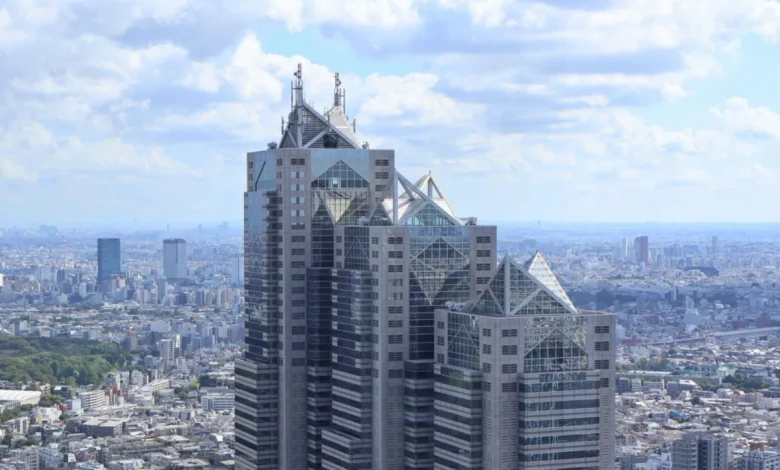
The Park Hyatt Tokyo’s enduring appeal is situated within the broader context of Tokyo’s competitive luxury hospitality market. Established in 1994, the hotel was a pioneering force in introducing a more contemporary, design-led luxury experience to the city, moving away from more traditional, opulent styles. It quickly garnered international acclaim, partly due to its prominent role in Sofia Coppola’s 2003 film "Lost in Translation," which cemented its image as a chic, sophisticated, and somewhat enigmatic urban retreat. This cinematic association played a significant role in its global recognition, drawing a demographic of travelers seeking an experience that was both visually stunning and culturally resonant.
The hotel’s location in Shinjuku, a vibrant district known for its towering skyscrapers, government buildings, and bustling entertainment areas, provides a dynamic backdrop. The Park Hyatt Tokyo’s position within the Tokyo Metropolitan Government Building complex, one of the city’s tallest structures, offers unparalleled panoramic views that are a key selling point. This strategic placement allows guests to experience the city’s vastness from a unique perspective, a significant draw for both international and domestic visitors.
Supporting Data and Industry Trends
The luxury hotel sector in Tokyo has seen consistent growth, driven by increasing inbound tourism and a discerning local clientele. According to reports from industry analysts, the average daily rate (ADR) for five-star hotels in Tokyo has remained robust, often exceeding ¥60,000 (approximately $400 USD), with premium properties like the Park Hyatt Tokyo commanding even higher figures, especially during peak seasons or special events. Occupancy rates in the luxury segment typically hover in the high 70s to low 80s, indicating sustained demand.
The Park Hyatt Tokyo, as part of the global Hyatt portfolio, benefits from brand recognition and loyalty programs. However, its success is also attributed to its ability to maintain a distinct identity and a high standard of personalized service. The hotel’s emphasis on design, art, and culinary excellence, exemplified by the New York Grill and its extensive wine cellar, aligns with the evolving expectations of luxury travelers who increasingly prioritize unique experiences and authentic cultural immersion over mere material opulence. The data suggests that hotels that can successfully blend aspirational design with exceptional service and memorable experiences are best positioned for long-term success.
A Chronology of Influence and Evolution
- 1994: The Park Hyatt Tokyo officially opens its doors, introducing a new era of modern luxury to the city.
- 2003: Sofia Coppola’s "Lost in Translation" is released, catapulting the hotel to international stardom and significantly influencing its perception and guest demographic.
- 2008: The guest makes their first booking, marking the beginning of a long-standing patronage. This period coincides with a growing interest in experiential travel and a greater emphasis on hotel design and unique amenities.
- 2010s: The hotel continues to refine its offerings, focusing on personalized service, culinary innovation, and maintaining its status as a sophisticated urban retreat amidst increasing competition. Digital booking platforms become more sophisticated, offering easier access to information and booking capabilities.
- 2020s: The hospitality industry faces unprecedented challenges due to global events. However, properties like the Park Hyatt Tokyo, with their established reputation for quality and their ability to offer a sense of escape and exclusivity, are often more resilient. The focus shifts further towards wellness, sustainability, and hyper-personalized guest experiences.
The Nuances of Anticipatory Service: A Hallmarks of Excellence
The guest’s description of the staff’s hospitality as "anticipatory, subtle, and nuanced" is a critical insight into what elevates a luxury hotel from merely comfortable to truly exceptional. This level of service goes beyond fulfilling explicit requests; it involves understanding guest needs before they are articulated. It is the intuitive placement of a favorite newspaper, the discreet replenishment of amenities based on observed usage, or the subtle acknowledgment of a special occasion without overt fanfare. In a property that has seen nearly 50 visits from a single guest, this evolution of service is not surprising. It signifies a deep understanding of the guest’s preferences, habits, and even emotional needs. This personalized approach builds loyalty and transforms a hotel stay into a deeply valued relationship.
The "rhythms, atmospherics, and peculiarities" of the building are the sensory details that create a unique sense of place. These are the elements that differentiate the Park Hyatt Tokyo from other luxury hotels. The wind in the elevators, the crows outside, the specific views of Mount Fuji – these are not incidental observations but integral parts of the hotel’s identity. They contribute to a feeling of being immersed in the specific environment of Tokyo, experienced through the lens of this iconic structure. This deep familiarity suggests that the guest has not just stayed at the hotel but has truly lived within its walls, absorbing its essence.
Broader Impact and Implications
The Park Hyatt Tokyo’s enduring appeal, as exemplified by such dedicated patronage, has several implications for the hospitality industry and the concept of luxury travel:
- The Power of Experiential Luxury: The Park Hyatt Tokyo demonstrates that true luxury is not solely about opulent surroundings but also about the creation of memorable experiences and deep emotional connections. The cinematic fame, while a significant catalyst, is sustained by the hotel’s consistent delivery of exceptional service and unique ambiance.
- The Value of Personalized Service: In an increasingly automated world, the human element of hospitality remains paramount. The ability of staff to anticipate needs and provide nuanced service fosters loyalty and differentiates high-end properties. This data point highlights the long-term ROI of investing in staff training and fostering a culture of genuine care.
- The Role of Iconic Architecture and Design: The hotel’s distinctive architecture and design contribute significantly to its allure. It provides a visually stimulating and memorable environment that becomes an integral part of the guest experience, influencing perceptions and creating a sense of place.
- Brand Loyalty and Repeat Business: The case of this frequent guest underscores the significant value of fostering brand loyalty. A satisfied and returning guest represents consistent revenue and invaluable word-of-mouth marketing. Understanding the drivers of such loyalty—be it service, experience, or emotional connection—is crucial for hotel management.
- The Evolving Definition of "Haven": The transformation of the hotel into a "haven" signifies a shift in how travelers perceive and utilize luxury accommodations. It is no longer just a place to sleep but a sanctuary, a retreat, and a space for personal growth and enjoyment, even in a bustling metropolis like Tokyo.
The ongoing relationship between this guest and the Park Hyatt Tokyo serves as a compelling case study in the enduring power of exceptional hospitality. It illustrates how a commitment to understanding and catering to individual guest needs, combined with an iconic setting and a deep appreciation for the nuances of place, can forge bonds that transcend mere transactional interactions. As the hospitality industry continues to evolve, the lessons learned from such long-standing relationships remain invaluable, highlighting the timeless principles of creating a truly unforgettable guest experience.
Related posts: