Unity Concord International School (UCIS) in Chiang Mai, Thailand, has established a pioneering educational model that addresses one of the most persistent challenges in modern pedagogy: fostering authentic student agency. By strategically integrating the year-round TED-Ed Student Talks program with their high-profile annual TEDxUCIS Youth event, school administrators and educators have moved beyond the traditional "one-off" public speaking assignment. They have instead constructed a self-sustaining ecosystem designed to identify, nurture, and amplify youth voices, effectively transforming the school’s culture into one centered on the exchange of transformative ideas.
The initiative is led by a collaborative team of educators, including Fernando Oringo, the International Co-curricular Coordinator of the Ambassador Education Group, Abby Schrantz, the TED-Ed Student Talks Coordinator at UCIS, and Madison Conger, the license holder for TEDxUCIS Youth. Their combined efforts have created a "pipeline" of talent that begins in upper elementary school and culminates on the professional-grade TEDx stage, ensuring that by the time students reach their senior years, they possess the confidence and rhetorical skills to engage with global audiences.
The Architectural Foundation: TED-Ed Student Talks as a Training Ground
The journey for many UCIS students begins in the fifth and sixth grades. Recognizing that the prospect of public speaking can be daunting for younger children, the school utilizes the TED-Ed Student Talks program as a "low-stakes" entry point. Unlike the high-pressure environment of a large-scale public event, these groups offer a safe space for students to experiment with storytelling, research, and vocal delivery.
Abby Schrantz, who oversees the TED-Ed Student Talks group, emphasizes that the program’s success is rooted in a personalized recruitment strategy. Rather than relying on digital announcements or flyers, Schrantz visits every fifth and sixth-grade homeroom to speak directly with students. This personal touch, combined with testimonials from older peers who have already participated, has led the program to reach its full capacity.
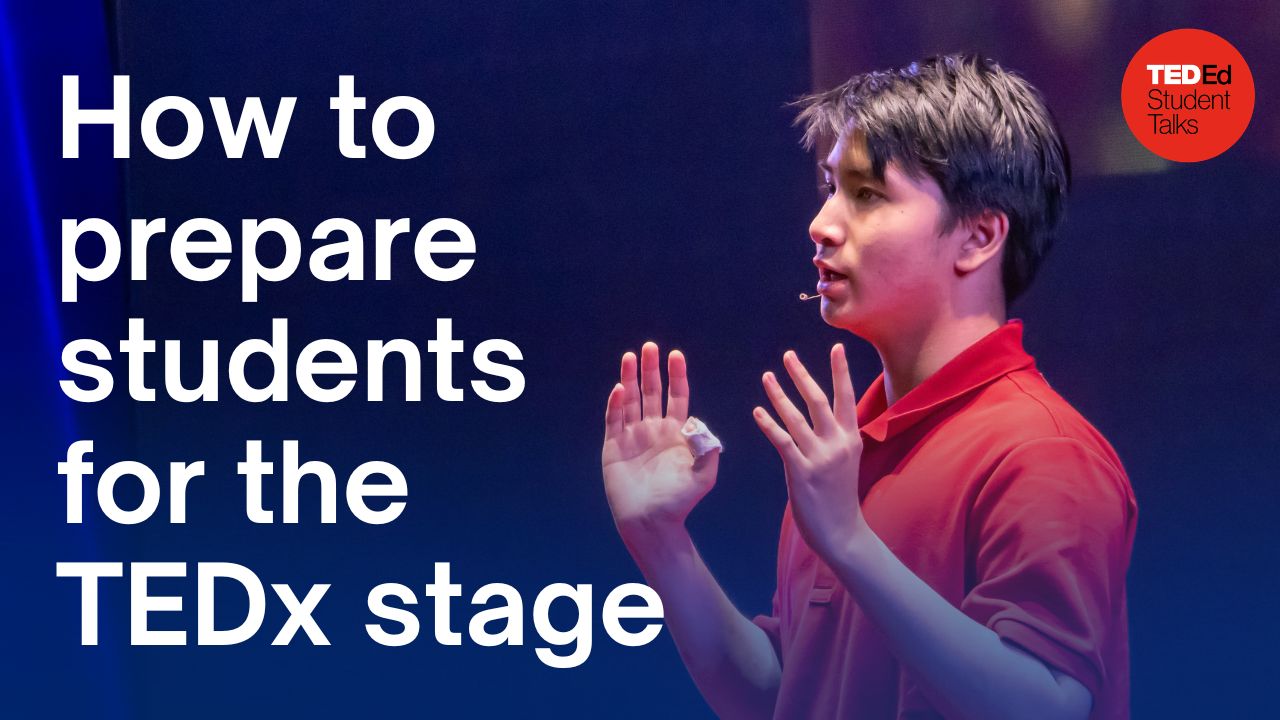
The curriculum within the TED-Ed Student Talks group is designed to be dynamic and interactive. While Schrantz utilizes the official TED-Ed facilitator guidebook, she also incorporates bespoke activities such as peer-review sessions. During these sessions, students watch recorded talks from previous semesters and provide constructive feedback to one another. This methodology shifts the role of the educator from a traditional lecturer to a facilitator of peer-to-peer inspiration. By learning to critique others, students become more attuned to the nuances of their own performances, focusing on elements such as emotional resonance, visual aids, and narrative structure.
The Catalyst: Bridging the Gap Between Practice and Performance
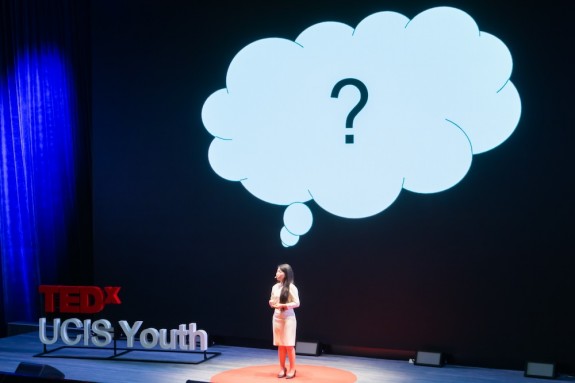
A critical component of the UCIS model is the intentional overlap between the TED-Ed Student Talks participants and the TEDxUCIS Youth event. The school ensures that the younger students in the TED-Ed program are not just spectators but active participants in the audience of the main TEDx event. This exposure serves as a powerful "Aha!" moment for the children, allowing them to see the tangible results of the skills they are practicing in their smaller groups.
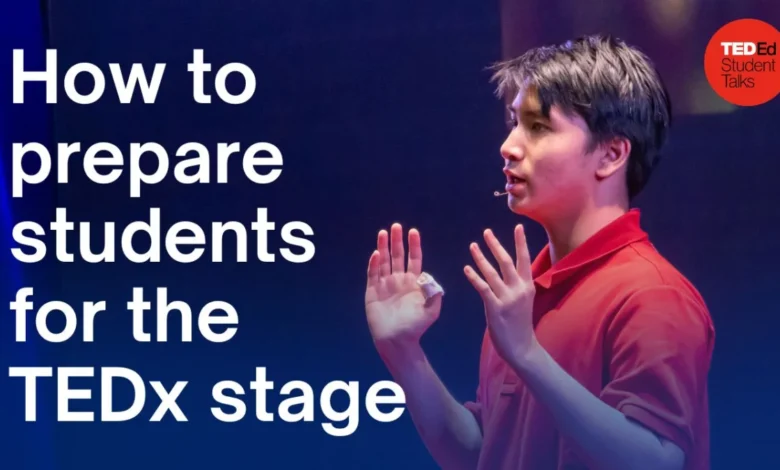
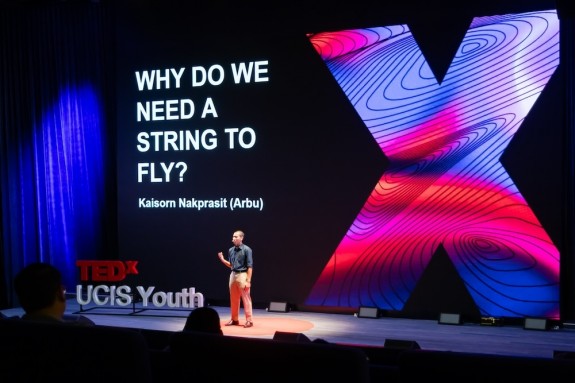
Following the most recent TEDx event, Schrantz noted a visible shift in the motivation levels of her younger students. Seeing their older peers command a professional stage—complete with high-quality lighting, professional audio equipment, and a captivated audience—transformed the concept of public speaking from an abstract classroom exercise into a desirable achievement. Students reportedly approached Schrantz after the event, eager to discuss how they could incorporate more emotion into their upcoming talks or improve the quality of their digital presentations.
Madison Conger, the TEDx license holder, explains that the event is designed to be a multisensory experience. Beyond the speeches themselves, the school organizes art exhibitions and sensory rooms, creating a "celebration of ideas" that engages the entire school community. This holistic approach ensures that the event is viewed as a cultural milestone within the academic year, rather than just a speech competition.
Operational Efficiency: The Pipeline Advantage for Organizers
From an administrative and organizational perspective, the "pipeline" model offers significant advantages. Organizing a TEDx event is a complex logistical undertaking, often complicated by the busy schedules of high school students who are balancing rigorous academic loads with various extracurricular activities. By establishing the TED-Ed Student Talks program as a foundational step, the school creates a pool of pre-trained speakers.
Conger notes that students who have progressed through the TED-Ed program enter the TEDx selection process with a clear understanding of the "TED style" of communication. They are already familiar with the milestones of talk development—from idea generation and scriptwriting to final rehearsals. This familiarity significantly reduces the burden on organizers, as they do not have to start from "square one" with every new cohort of speakers.
"The kids know the process; they’ve been through it," Conger observed. "By the time they are ready for the main TEDx stage, they are very confident and know exactly what they’re doing." This self-sustaining cycle ensures the long-term viability of the program, as each generation of students is mentored and inspired by the one preceding it.
Institutional Impact: From Ideas to Actionable Change
The true measure of the program’s success lies in its ability to foster real-world empathy and drive institutional change within the school. The topics chosen by students often reflect the internal and external challenges they face, ranging from the psychological toll of "overthinking" to the pressures of societal expectations. By providing a platform for these vulnerable topics, the school fosters a culture of openness and mutual support.
One notable example of the program’s impact involved a student who delivered a talk on the unique challenges faced by "cross-cultural kids" (CCKs) in international school settings. The speech resonated so deeply with the administration and the parent body that it led to the creation of a dedicated CCK community at UCIS. This group now provides ongoing support and resources for students and parents navigating the complexities of multicultural identities.
"It’s not just a talk that people hear and then forget about," Conger said. "It actually inspires change. That was just so cool to see." This outcome highlights the transition of the program from a mere public speaking club to a catalyst for social and institutional progress.
Broader Implications and Strategic Advice for Educators
The UCIS model provides a scalable roadmap for other educational institutions seeking to empower their students. The integration of TED-Ed and TEDx programs represents a shift toward "active learning," where students are given the tools to solve problems and communicate their findings to a wide audience.
As educational trends continue to emphasize the importance of "soft skills"—such as communication, critical thinking, and emotional intelligence—programs like these become increasingly vital. Research in the field of education suggests that students who engage in public speaking and advocacy are more likely to exhibit higher levels of civic engagement and academic motivation.
For educators looking to replicate this success, the UCIS team offers a clear set of recommendations:
- Establish a Tiered Approach: Start with a low-pressure environment like TED-Ed Student Talks to build a foundation of confidence before moving to larger stages.
- Prioritize Personal Recruitment: Use homeroom visits and peer testimonials to build excitement and inclusivity.
- Encourage Peer Feedback: Shift the focus from teacher-led instruction to peer-to-peer collaboration and critique.
- Integrate Events: Ensure that younger students have the opportunity to witness the "main stage" to provide them with a clear goal and source of inspiration.
- Focus on "Ideas Worth Spreading": Encourage students to tackle authentic, vulnerable topics that can lead to real-world community impact.
Conclusion: A New Identity for the School Community
For Unity Concord International School, the TED brand has become more than just a series of events; it has become a core part of the school’s identity. The partnership between TED-Ed and TEDx has created a space where students feel empowered to share their most personal and profound thoughts, knowing they have an ecosystem of support behind them.
Fernando Oringo, who supervises the TED-Ed Student Talks program across a network of schools in Thailand, Vietnam, and Cambodia, views this model as essential for the next generation of global change-makers. By providing a platform for voices that might otherwise go unheard, UCIS is not just teaching students how to speak; it is teaching them that their ideas have the power to change the world.
As the program continues to grow, it serves as a testament to the fact that when educators provide the right support, practice, and inspiration, teenagers will not only step up to the microphone—they will use it to lead.
Related posts: