Empowering Youth Voices Through a Strategic Educational Pipeline: The Integration of TED-Ed and TEDx at Unity Concord International School

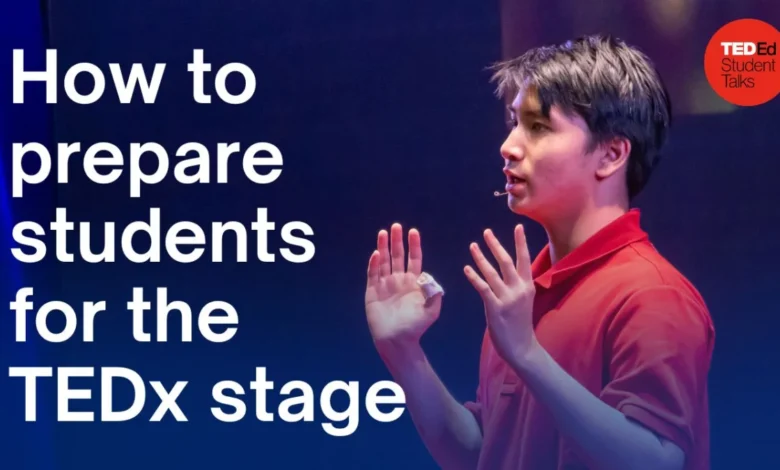
Unity Concord International School (UCIS) in Chiang Mai, Thailand, has established a pioneering educational model that addresses one of the most persistent challenges in modern pedagogy: bridging the gap between a student’s internal ideas and their ability to express them confidently in a public forum. By strategically integrating the year-round TED-Ed Student Talks program with their annual TEDxUCIS Youth event, the institution has moved beyond traditional public speaking instruction to create a self-sustaining ecosystem of student empowerment. This "pipeline" approach not only prepares students for the stage but also fosters a culture of empathy, innovation, and institutional change that resonates throughout the school community and the broader Ambassador Education Group network.
The challenge of youth public speaking is well-documented. While members of Generation Z and Generation Alpha are often characterized by their strong convictions and digital fluency, the transition to physical, long-form oratory remains a significant hurdle. Educators globally recognize that a simple invitation to "step up to the microphone" is rarely sufficient. At UCIS, the solution was found in the synergy between two distinct but complementary TED programs. The TED-Ed Student Talks program serves as the developmental foundation, while the TEDxUCIS Youth event provides the high-stakes, professional platform that serves as a catalyst for growth.
The Foundation: Cultivating Ideas in a Low-Stakes Environment
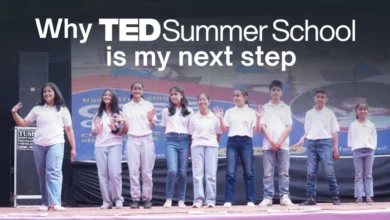
The journey for many UCIS students begins in the fifth and sixth grades. At this developmental stage, the primary goal of the TED-Ed Student Talks group is to provide a "low-stakes" environment. According to Abby Schrantz, the school’s TED-Ed Student Talks Coordinator, the success of the program relies heavily on a personal recruitment strategy rather than passive communication. Schrantz visits every fifth and sixth-grade homeroom individually to explain the program’s value, relying on the testimonials of previous participants to build credibility. This peer-to-peer advocacy has proven so effective that the group currently operates at full capacity.
The curriculum within the TED-Ed Student Talks group is designed to be iterative and interactive. Moving beyond the standard facilitator guidebook, Schrantz incorporates peer-review sessions where students watch recordings of past talks to provide constructive feedback. This methodology serves two purposes: it demystifies the process of public speaking and shifts the focus from performance to the quality of the idea. By the time students reach the end of the semester, they have not only developed a script but have also participated in a community of critique and support.
The Catalyst: The Transformative Power of the Professional Stage
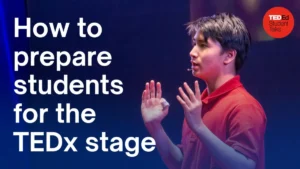
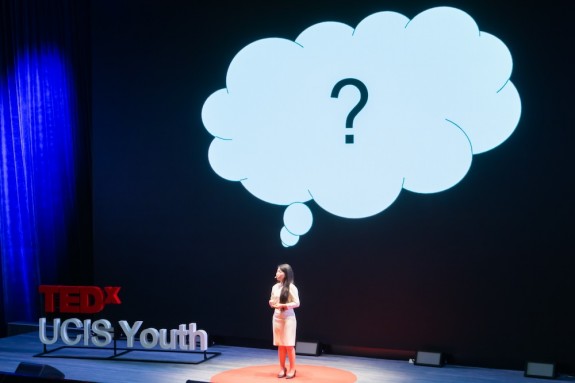
While the TED-Ed Student Talks group provides the training, the annual TEDxUCIS Youth event provides the inspiration. A key strategic decision made by the UCIS organizers—including TEDx license holder Madison Conger—is to ensure that the younger students in the TED-Ed program are present in the audience for the main event. Seeing their older peers command a professional stage with high-quality lighting, sound, and visuals creates what Schrantz describes as an "Aha!" moment.
Following recent events, younger students have reported a heightened sense of motivation, specifically focusing on how to "fine-tune" their own future performances. The exposure to the main stage allows them to observe the nuances of emotional delivery and visual aids in a real-world context. This observation phase is critical; it transforms public speaking from an abstract classroom requirement into a tangible, aspirational goal. The TEDx event is curated to be a "celebration of ideas," often including multisensory elements like art exhibitions and sensory rooms, which further engages the student body and reinforces the school’s identity as a hub for creativity.
Logistical Synergy: Creating an Efficiency Pipeline for Educators
For school administrators and educators, the integration of these two programs offers significant logistical advantages. Organizing a TEDx event is a massive undertaking that requires months of preparation, coaching, and rehearsal. Madison Conger notes that the existence of the TED-Ed Student Talks group makes the organization of the TEDx event "vastly easier."
Because students who have gone through the TED-Ed program already understand the "TED style"—including the emphasis on original ideas, the structure of a "through-line," and the importance of concise delivery—the TEDx organizers do not have to start from "square one" with every speaker. The "roadmap" created by the school allows students to progress from the smaller, internal club in primary and middle school to the global platform of TEDx in high school. This tiered approach ensures that by the time a student reaches the TEDx stage, they are not only confident but are also experienced in the rigorous process of idea development and fact-checking.
Institutional Impact: From Speeches to Social Change
The ultimate metric of success for the UCIS model is not the quality of the video recordings, but the tangible changes the program sparks within the school. The topics chosen by students often reflect deep-seated societal pressures, such as the dangers of overthinking and the weight of societal expectations. By providing a platform for these vulnerable discussions, the school fosters a culture of empathy and mental health awareness.
One of the most significant examples of institutional change occurred following a talk regarding the challenges faced by "Third Culture Kids" (TCKs)—children who are raised in a culture other than their parents’ or the culture of their country of nationality. The student’s exploration of the identity crises and social hurdles inherent in the international school experience led directly to the creation of a dedicated TCK community at UCIS. This group now provides a support network for both parents and students, demonstrating that the ideas shared on stage have the power to influence school policy and community structure.
Contextual Analysis: The Broader Landscape of International Education in Thailand
The success of UCIS must be viewed within the context of the burgeoning international education sector in Southeast Asia. Chiang Mai has become a significant hub for international schools, attracting a diverse population of expatriates and local families seeking a globalized curriculum. In this competitive landscape, the "Ambassador Education Group," which oversees UCIS and other schools in Thailand, Vietnam, and Cambodia, has leveraged the TED brand to distinguish its educational offering.
Fernando Oringo, the International Co-curricular Coordinator of the group, emphasizes that the program is designed to create "global change-makers." By aligning with the TED-Ed and TEDx brands, the school provides students with a credential that is recognized globally, aiding in university applications and future career endeavors. Furthermore, the focus on "cross-cultural pedagogy" is essential in a region where students often navigate multiple languages and cultural norms daily.
Chronology of the UCIS TED Pipeline Development
The evolution of this program can be traced through several key milestones:
- Phase I: Implementation of TED-Ed Student Talks: The school initially launched the club as an extracurricular activity to foster basic communication skills in primary students.
- Phase II: TEDx Licensing: Recognizing the potential for a larger platform, the school secured a TEDxYouth license to provide a professional-grade showcase.
- Phase III: Integration: Coordinators Schrantz and Conger synchronized their calendars, ensuring that the TED-Ed curriculum concluded with attendance at the TEDx event.
- Phase IV: Community Expansion: The program’s success led to the inclusion of students from across the Ambassador Education Group network, creating a regional community of youth speakers.
- Phase V: Institutionalization: Public speaking and "idea-sharing" became core components of the school’s identity, influencing both the curriculum and the school’s social support systems.
Advice for Global Educators and Future Implications
The UCIS model provides a replicable framework for schools worldwide. The coordinators offer three primary pieces of advice for educators:
- Recruit with a Personal Touch: Emails and posters are less effective than face-to-face engagement and peer testimonials.
- Encourage Peer-to-Peer Inspiration: Allow students to critique and support one another to build a sense of community.
- Build a Clear Roadmap: Create a tiered system where students can see a clear path from their first "low-stakes" talk to a professional stage.
As educational institutions increasingly prioritize "soft skills" like communication, empathy, and critical thinking, the UCIS model stands as a testament to the power of structured, long-term programs. The integration of TED-Ed and TEDx is more than a public speaking project; it is a mechanism for giving the next generation the tools they need to articulate their vision for the future. By fostering an environment where students feel safe to share their most vulnerable ideas, UCIS is not just teaching students how to speak—it is teaching them that their voices have the power to change the world.