The challenge of modern education extends beyond the delivery of standardized curricula; it involves the cultivation of student agency and the ability of young individuals to articulate complex ideas in a public forum. At Unity Concord International School (UCIS) in Chiang Mai, Thailand, educators have addressed this challenge by developing a sophisticated pedagogical ecosystem that bridges the gap between classroom learning and global-standard public speaking. By integrating the year-round TED-Ed Student Talks program with the high-profile annual TEDxUCIS Youth event, the institution has established a self-sustaining pipeline that fosters confidence, empathy, and institutional change.
This strategic alignment is not merely a project-based learning initiative but a structural transformation of how student voices are nurtured. Fernando Oringo, the International Co-curricular Coordinator of the Ambassador Education Group, recently facilitated a comprehensive review of this model alongside Abby Schrantz, the school’s TED-Ed Student Talks Coordinator, and Madison Conger, the TEDxUCIS Youth license holder. Their findings suggest that the success of the program lies in its "scaffolded" approach, which allows students to progress from low-stakes peer environments to professional-grade stages.
The Developmental Foundation: TED-Ed Student Talks
The journey toward the TEDx stage at UCIS begins in the middle school years, specifically targeting students in the 5th and 6th grades. The TED-Ed Student Talks program serves as the foundational layer of the pipeline. Unlike high-pressure oratorical competitions, this program is designed to provide a "low-stakes" environment where students can experiment with narrative structures and personal storytelling.
Coordinator Abby Schrantz emphasizes that the recruitment process is grounded in personal engagement rather than digital broadcasting. Schrantz conducts direct outreach by visiting homerooms to explain the program’s objectives. This face-to-face interaction is supplemented by a growing culture of peer-to-peer encouragement. As students participate and find success, they become ambassadors for the program, leading to a natural expansion of the cohort. Currently, the TED-Ed Student Talks group at UCIS operates at full capacity, reflecting a high level of student interest in developmental public speaking.
The curriculum within the TED-Ed group is characterized by iterative practice and peer feedback. Schrantz has moved beyond the standard facilitator guidebooks to incorporate interactive peer-review sessions. Students analyze recorded performances from previous years, identifying emotional nuances and visual effectiveness. This analytical approach demystifies the art of public speaking, transforming it from an innate talent into a learnable skill set.
The Strategic Catalyst: The TEDxUCIS Youth Event
While the TED-Ed Student Talks group provides the training, the TEDxUCIS Youth event provides the inspiration. The school’s strategy involves a deliberate "cross-pollination" between the two programs. Younger students in the TED-Ed program are not just spectators; they are invited as primary audience members for the TEDx event, where they witness their older peers delivering professional-grade presentations.
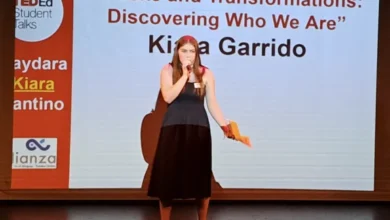
This exposure serves as a transformative "Aha!" moment for younger learners. Madison Conger, the license holder for TEDxUCIS Youth, notes that the event is designed as a multisensory "celebration of ideas." The inclusion of art exhibitions, sensory rooms, and professional lighting creates an atmosphere that elevates the importance of student thought.
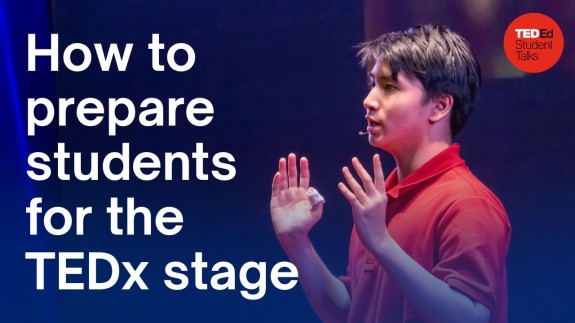
Following the most recent TEDx event, Schrantz reported a significant surge in motivation among the younger students. Observing the emotional resonance and visual sophistication of the high school speakers prompted the younger cohort to refine their own "Student Talks" with a renewed focus on emotional delivery and visual aids. This cycle of observation and application is a critical component of the UCIS pipeline, ensuring that each generation of students enters the higher-tier program with a clear understanding of the required standards.
Organizational Efficiency and the "Ready-to-Stage" Pipeline
From an administrative and organizational perspective, the integration of TED-Ed and TEDx provides significant logistical advantages. Organizing a TEDx event is a rigorous process that requires license adherence, technical coordination, and intensive speaker coaching. In many schools, the coaching process must start from zero, consuming vast amounts of time and resources.
However, the UCIS model mitigates these challenges. Students who have spent one or two years in the TED-Ed Student Talks program enter the TEDx selection process with a pre-existing understanding of the "TED style." They are familiar with the "Idea Worth Spreading" concept, the importance of a "through-line," and the technical requirements of a stage performance.
Conger highlights that this pre-training makes the organizing process vastly more efficient. "The kids know the process; they’ve been through it," she explains. By the time these students reach middle or high school, they have already mastered the foundational milestones of talk development, allowing the TEDx organizers to focus on high-level polish rather than basic instruction. This roadmap creates a predictable flow of talent, ensuring the longevity and quality of the school’s annual showcase.
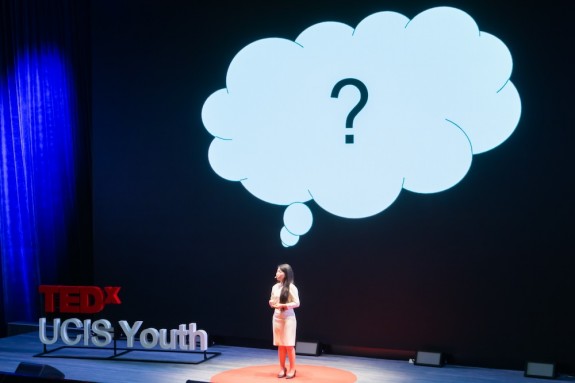
Institutional Impact: From Speeches to Social Change
The broader implications of the UCIS model extend beyond individual skill development. The platform has become a catalyst for institutional and cultural change within the school. Because students are encouraged to speak on topics of personal and social relevance, the talks often address systemic issues that might otherwise remain overlooked.
A notable example occurred during a previous cycle when a student delivered a presentation on the unique challenges faced by "Third Culture Kids" (TCKs)—individuals who spend their formative years in a culture other than their parents’ or the culture of their nationality. This talk resonated deeply within the international school community, which is largely comprised of such students.
The impact of this specific presentation was not limited to the applause it received. It inspired the school administration to facilitate the creation of a dedicated Cross-Cultural Kid community. This support network, consisting of both parents and students, was established to provide psychological and social support for students navigating the complexities of international relocation and cultural identity. This instance demonstrates that the TED-Ed and TEDx pipeline at UCIS functions as more than an extracurricular activity; it serves as a mechanism for student-led advocacy and policy improvement.
Analysis: The Scaffolding of Soft Skills in International Education
The success at UCIS reflects a larger trend in global education where "soft skills"—such as communication, empathy, and critical thinking—are prioritized alongside academic achievement. In the context of Southeast Asia’s competitive educational landscape, the ability to articulate ideas clearly is increasingly viewed as a prerequisite for success in higher education and the global workforce.
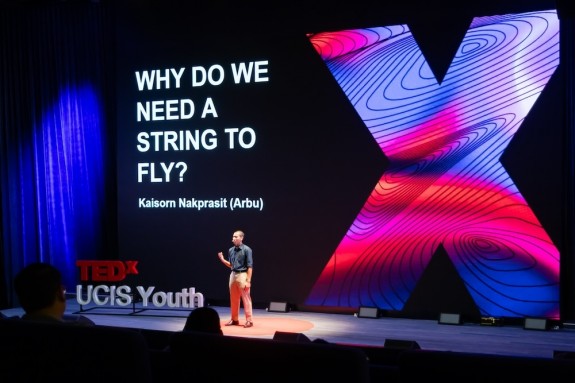
The UCIS model utilizes a "scaffolding" pedagogical strategy. By introducing public speaking in a low-stakes environment (TED-Ed) and progressively increasing the stakes (TEDx), the school reduces the "communication apprehension" that often hinders adolescent development. This tiered approach aligns with Vygotsky’s "Zone of Proximal Development," where students are consistently challenged just beyond their current comfort zone with the support of mentors and peers.
Furthermore, the focus on "vulnerability" in student talks—addressing topics like overthinking and societal pressure—fosters a culture of emotional intelligence. As students share their struggles on stage, they contribute to a school climate that destigmatizes mental health challenges and encourages mutual support.
Strategic Roadmap for Educators
For educational institutions looking to replicate the success of Unity Concord International School, the following roadmap is recommended:
- Establish a Foundational Program: Launch a TED-Ed Student Talks group to provide a safe, year-round space for students to develop their voices without the immediate pressure of a large public event.
- Integrate the Cohorts: Ensure that younger students have the opportunity to attend and engage with higher-level events like TEDxYouth.
- Personalize Recruitment: Move beyond digital announcements. Use personal outreach and peer testimonials to build a culture of participation.
- Innovate the Curriculum: Supplement standard guides with peer-review sessions and analysis of previous performances to build critical thinking skills.
- Focus on Real-World Impact: Encourage students to tackle topics that matter to their community, and be prepared as an institution to act on the ideas presented.
Conclusion
The integration of TED-Ed and TEDx at Unity Concord International School has effectively turned a brand into a school identity. By providing a structured pathway for student expression, UCIS has created an environment where ideas are not just discussed but are used to drive community action. As noted by Fernando Oringo, whose work spans across Thailand, Vietnam, and Cambodia, the mission is to amplify student voices and mentor the next generation of global change-makers. The UCIS model stands as a compelling case study for how schools can move beyond traditional public speaking to create a sustainable ecosystem of youth leadership and social innovation.
Related posts: