OpenAI Navigates Complex Strategic Crossroads with Recent Acquisitions, Public Image Challenges, and Intensified Competition

OpenAI, the vanguard of generative artificial intelligence, finds itself at a pivotal juncture, marked by a flurry of strategic acquisitions, escalating debates over AI’s societal impact, and an increasingly competitive landscape, particularly against rivals like Anthropic. Recent developments, including the acquisition of personal finance startup Hiro and new media company TBPN, alongside critical public scrutiny and a fierce battle for enterprise market share, illuminate the multifaceted challenges and strategic reorientations underway at the San Francisco-based AI powerhouse. These moves suggest a deliberate effort to diversify revenue streams, enhance public perception, and solidify its position amidst rapid technological evolution and intense market pressures.
The Strategic Acquisition Spree: Hiro and TBPN
In a series of moves that have drawn considerable attention and analysis from industry observers, OpenAI recently completed two notable acquisitions: Hiro, an AI-powered personal finance startup, and TBPN, a new media company known for its business talk show. These deals, while relatively modest in scale compared to OpenAI’s colossal valuation and funding rounds, are being interpreted as tactical maneuvers to address fundamental "existential problems" currently confronting the company.
The acquisition of Hiro, an AI-driven personal finance application that launched merely two years prior, is widely perceived as an "acqui-hire." Industry reports indicate that Hiro’s existing services are being phased out, with its talented team integrated into OpenAI’s broader operations. This suggests a primary motivation centered on talent acquisition, bringing in expertise in developing consumer-facing applications with strong user "hooks." The underlying rationale appears to be a concerted effort to move beyond the foundational chatbot experience of ChatGPT and explore vertical-specific applications that could offer more substantial, differentiated value propositions and, crucially, command higher subscription fees or generate more robust revenue streams. The global market for AI in financial services alone is projected to reach hundreds of billions of dollars in the coming years, making it an attractive vertical for diversification.
Simultaneously, OpenAI secured TBPN, a burgeoning new media company producing a business talk show. This acquisition, announced concurrently with the Hiro deal, raises different but equally pertinent questions. While TBPN’s founders are reportedly slated to retain editorial independence for their show under OpenAI’s ownership, this arrangement has met with a healthy dose of skepticism from media analysts and ethics watchdogs. The integration of a media entity, especially one focused on business and technology discourse, within a major tech company’s organizational structure — particularly under public policy or communications departments — invariably sparks concerns about potential influence and the integrity of independent reporting.
Addressing Core Challenges: Profitability and Public Image
Industry analysis suggests these acquisitions are direct responses to two significant challenges facing OpenAI: the imperative to achieve sustainable profitability and the pressing need to reshape its public image.
The Quest for Sustainable Revenue Beyond Chatbots
Despite the phenomenal success and widespread adoption of ChatGPT, which rapidly became the fastest-growing consumer application in history, OpenAI faces a significant hurdle in translating this user base into a sustainably profitable business model. Operating large language models (LLMs) requires immense computational resources, incurring substantial ongoing costs. OpenAI has raised tens of billions of dollars from investors, most notably Microsoft, but the path to generating sufficient revenue to justify these valuations and achieve self-sufficiency remains a critical strategic focus.
The Hiro acquisition, therefore, represents a tangible step toward exploring new product categories. As Sean O’Kane of TechCrunch’s Equity podcast suggested, OpenAI may be looking for products with "more hooks than just a chatbot, and maybe something worth paying more for." A dedicated personal finance AI, for instance, could offer highly personalized advice, automate financial tasks, and integrate with banking services, creating a sticky, high-value subscription service. Such a move would allow OpenAI to leverage its core AI capabilities in a domain where users are accustomed to paying for premium, specialized services, thus diversifying its revenue streams beyond general-purpose chatbot subscriptions and enterprise API access. The consumer application market, especially for AI-enhanced tools, offers a vast potential for recurring revenue if the product can demonstrate indispensable utility.
Shaping the Narrative: The Public Image Imperative
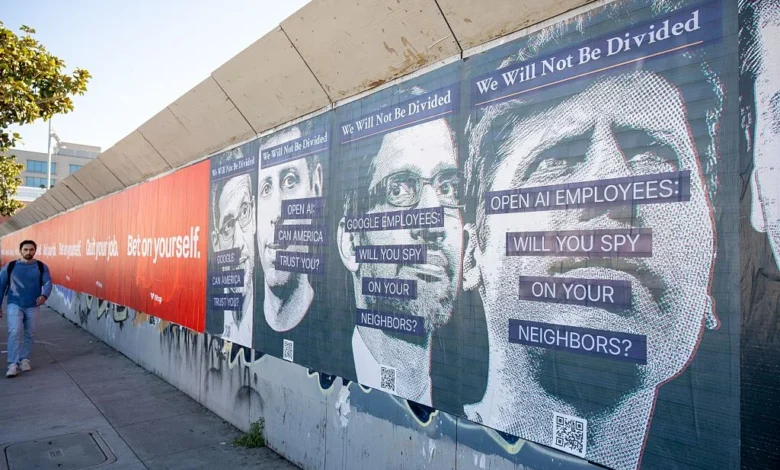
The acquisition of TBPN appears to be a direct response to OpenAI’s recent struggles with public perception and its broader image. Over the past year, OpenAI has been at the epicenter of intense public and regulatory debates concerning AI safety, ethics, and its profound societal implications. From internal leadership turmoil to contentious discussions about the responsible development of Artificial General Intelligence (AGI), the company has faced a barrage of scrutiny.
This pressure intensified significantly with the recent publication of a critical report by Ronan Farrow in The New Yorker, which cast a shadow over Sam Altman’s leadership and the company’s internal dynamics, raising questions about trust and control in the burgeoning AI era. The article’s release, suspiciously timed around several OpenAI announcements, underscored the vulnerability of the company’s public narrative.
In this context, acquiring a media company like TBPN can be interpreted as a strategic attempt to gain a degree of control or influence over the public discourse surrounding AI and OpenAI specifically. While claims of "editorial independence" are standard in such acquisitions, the practical realities often differ. Integrating a media platform into a tech company’s ecosystem provides a direct channel for communication, potentially allowing OpenAI to better articulate its vision, address criticisms, and present its perspective on complex issues related to AI development, safety, and societal impact. This approach seeks to "better shape its image in the public eye, which lately has not been great," as O’Kane noted. In an era where misinformation and public anxiety about AI are prevalent, controlling or influencing narrative channels becomes a powerful tool for large corporations.
The Shadow of Anthropic: A Fierce Competitive Landscape
Beyond internal strategic adjustments, OpenAI is locked in an escalating battle for market dominance, particularly with its formidable rival, Anthropic. The competitive intensity between these two AI pioneers is palpable, driven by a race for talent, technological superiority, and, crucially, market share in the lucrative enterprise sector.
Direct Competition in Enterprise AI
While both OpenAI and Anthropic envision a future shaped by advanced AI, their immediate battleground is increasingly the enterprise market. This sector, characterized by high-value contracts, long-term engagements, and the potential for substantial recurring revenue, is seen as the primary avenue for achieving sustainable business models in the AI industry.
Anthropic, known for its Claude models and a strong emphasis on "Constitutional AI" and safety, has been making significant inroads into enterprise applications. Observations from recent industry events, such as the HumanX conference, reveal a growing preference among developers and enterprise users for Anthropic’s offerings, particularly Claude Code. As reported by Lucas Ropek for TechCrunch, attendees at HumanX expressed sentiments along the lines of, "Yeah, ChatGPT is fine, too, but like they were all about Claude Code." This indicates that Anthropic is not merely coexisting but actively challenging OpenAI’s perceived lead in critical enterprise segments, especially those involving coding and sophisticated business integrations.
This preference for Claude Code among developers is particularly alarming for OpenAI, as coding tools and enterprise integrations represent the "big growth area" and the clearest path to a "sustainable business in the future." The ability to provide robust, reliable, and secure AI tools for businesses — ranging from automating customer service to assisting software developers — is paramount. The global market for enterprise AI software is projected to grow exponentially, reaching well over a trillion dollars in the next decade, making this a high-stakes competition.
Divergent Philosophies and Business Models
While both companies are pushing the boundaries of AI, subtle differences in their philosophies and business approaches contribute to the competitive tension. OpenAI, with its audacious goal of achieving Artificial General Intelligence (AGI) and its history of rapid, often disruptive, innovation, sometimes faces criticism for perceived lack of transparency or prioritizing speed over caution. Anthropic, conversely, has cultivated an image centered on safety, ethical development, and a more measured approach, which resonates with certain enterprise clients and regulatory bodies wary of AI’s unchecked power.
This philosophical divergence influences not only product development but also talent acquisition and investor confidence. The battle for the brightest AI researchers and engineers is fierce, and a company’s reputation for ethical development or groundbreaking innovation can be a decisive factor. The success of one company does not necessarily mean the demise of the other, as the AI market is vast enough to support multiple successful players. However, the current dynamic suggests that OpenAI views Anthropic’s ascent with considerable concern, recognizing it as a direct threat to its envisioned leadership position.
Broader Implications and Future Trajectory
OpenAI’s recent strategic maneuvers reflect a company grappling with the immense pressures of leading a technological revolution while simultaneously building a viable, sustainable business. The implications of these actions extend far beyond immediate market share.
Balancing Innovation and Responsibility: The tension between OpenAI’s ambitious pursuit of AGI and the growing demands for responsible AI development remains a central challenge. The acquisitions and the public relations efforts underscore the company’s recognition that its trajectory will be shaped not only by technological breakthroughs but also by public trust and regulatory acceptance.
Regulatory Scrutiny: As OpenAI expands its footprint into diverse sectors like finance and media, it will inevitably face increased scrutiny from regulatory bodies worldwide. Concerns about data privacy in personal finance, media consolidation, and the potential for algorithmic bias or content manipulation will become more pronounced.
Talent Wars: The continuous demand for top-tier AI talent means that the ability to attract and retain leading researchers and engineers is crucial. Strategic acquisitions like Hiro, which are essentially talent grabs, highlight this ongoing battle.
Long-term Vision: Ultimately, these seemingly disparate moves are likely integrated into OpenAI’s overarching long-term vision. By diversifying revenue streams, improving public perception, and aggressively competing in key enterprise segments, OpenAI aims to secure the financial stability and public goodwill necessary to continue its ambitious quest for AGI. The company is actively attempting to solidify its foundation, ensuring it can withstand competitive pressures and navigate the complex ethical and societal challenges inherent in developing increasingly powerful AI systems.
In conclusion, OpenAI stands at a critical inflection point. Its recent acquisitions of Hiro and TBPN, while appearing minor in isolation, are integral components of a broader strategic effort to secure sustainable profitability, manage its public image amidst intense scrutiny, and vigorously compete against well-funded and technically proficient rivals like Anthropic. The coming years will reveal whether these tactical shifts are sufficient to solidify OpenAI’s position as the undisputed leader in the global AI landscape, or if the challenges of commercialization, public perception, and competition will necessitate even more profound transformations.