The Nordstrom Anniversary Sale: Your Ultimate Guide to Refreshing Your Travel and Summer Wardrobe

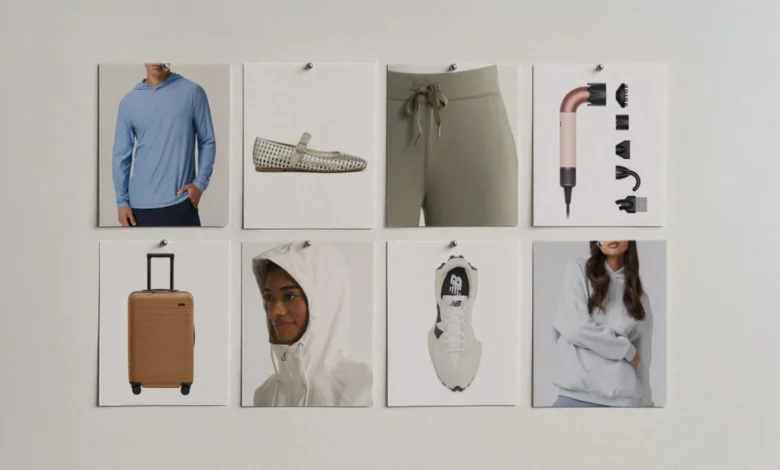
The highly anticipated Nordstrom Anniversary Sale has officially commenced, offering a prime opportunity for savvy shoppers to revitalize their travel gear and summer wardrobes. This annual event is a celebrated occasion in the retail calendar, renowned for its extensive selection of travel essentials, discounted luggage, premium skincare, and coveted fashion pieces from brands that are typically resistant to sales. This year’s sale is particularly noteworthy, not just for its breadth of offerings, but also for its emphasis on new season arrivals rather than past-season clearances, providing access to the latest trends at significantly reduced prices. The sale, running from July 18 to August 9, presents a curated collection of must-have items, handpicked to enhance your travel experiences and elevate your seasonal style.
A Tradition of Savings: Understanding the Nordstrom Anniversary Sale
The Nordstrom Anniversary Sale is a unique retail phenomenon that begins with early access for Nordstrom cardholders before opening to the public. This tiered access system is designed to reward loyal customers while also generating significant buzz and demand. The sale’s distinction lies in its focus on new merchandise for the upcoming fall season, which is offered at a discount before its official release. This strategy creates a sense of urgency and exclusivity, driving high sales volume and brand engagement. Historically, the sale has been a significant revenue driver for Nordstrom, often marking one of its most successful periods of the year. Consumer anticipation for the sale is consistently high, with many shoppers strategically planning their purchases to take advantage of the substantial savings.
Navigating the Deals: Key Categories and Top Picks
This year’s sale spans a wide array of product categories, catering to diverse needs and preferences. From the latest in athleisure to high-performance outerwear and essential travel accessories, Nordstrom has curated a selection that appeals to both the practical traveler and the style-conscious consumer.
Women’s Apparel: Comfort and Style for Every Occasion
Nordstrom has long been a trusted source for comfortable and versatile basics that seamlessly integrate into any travel wardrobe. The Anniversary Sale amplifies this by offering significant discounts on many of the department store’s best-selling apparel items. This includes luxurious cashmere sweaters, perfect for layering on flights or cooler evenings, as well as the highly sought-after Spanx AirEssentials line. The wide-leg pants and matching half-zip sweatshirt from Spanx have become synonymous with comfortable yet chic travel attire, and their inclusion in the sale is a major draw.
Furthermore, Nordstrom’s in-house athleisure brand, Zella, is heavily featured, with discounts on their popular high-waist leggings and bike shorts. These pieces are lauded for their comfort, durability, and flattering fit, making them ideal for active travel or casual wear. The Vuori Villa wide-leg pants, often highlighted for their exceptional comfort and stylish silhouette, are available at a price point under $100, presenting an excellent value. For those venturing to destinations with unpredictable weather, The North Face’s Antora waterproof rain jacket offers reliable protection and is also included in the sale, providing a practical investment for any traveler.
Men’s Clothing: Performance and Everyday Essentials
The men’s section of the Nordstrom Anniversary Sale is equally impressive, featuring a broad range of clothing items from renowned brands such as Adidas, Nike, Vuori, Zella, and Vince. Shoppers can expect to find significant markdowns on performance wear, including shorts and shirts designed for athletic activities. Additionally, the sale includes a selection of packable jackets, ideal for layering and adapting to various climates during travel.
Brands like Barbour and Bonobos contribute to the sale’s appeal, offering classic outerwear and versatile chino pants. The Barbour Bowden Quilted Nylon Jacket, known for its durability and timeless style, is a standout item. Bonobos Stretch Washed Chino 2.0 Pants provide a comfortable and stylish option for both casual and slightly more dressed-up occasions. The Vince Peach Cotton Jersey Polo Shirt offers a touch of refined casualness, while The North Face Junction Insulated Jacket provides warmth and protection for outdoor adventures. These pieces are designed to be wardrobe staples, offering longevity and adaptability for a variety of travel scenarios and everyday wear.

Footwear: Comfort and Style for Every Step
A cornerstone of successful travel is comfortable footwear, and the Nordstrom Anniversary Sale consistently delivers on this front. The sale features a wide array of men’s, women’s, and children’s shoe styles, encompassing sneakers, sandals, and boots. Popular and highly-rated options are often included, such as the New Balance 327 sneakers and Adidas Samba OG sneakers, both available at reduced prices.
For those seeking comfort during transit or leisurely strolls, the OluKai Hila Water-Resistant Slide Sandal offers a cushioned and supportive option. The sale also presents an opportunity to replace worn-out winter boots with stylish and functional choices from brands like Sorel, Ugg, and Blondo. Furthermore, the iconic Birkenstock Arizona Big Buckle Slide Sandal is featured, offering a comfortable and casual option for the final trips of summer or any season. The emphasis on comfort and durability in the footwear selection underscores Nordstrom’s understanding of the traveler’s needs.
Luggage: Upgrading Your Travel Companions
The Nordstrom Anniversary Sale is an opportune moment to invest in new luggage, with substantial discounts available on carry-ons, checked bags, and multi-piece sets from highly regarded brands. Industry favorites such as Away, Béis, Travelpro, Tumi, and Samsonite are all participating, with their most popular models often being the first to sell out.
Notable deals include luggage sets from Delsey Paris, offering a two-piece collection at over $225 off, representing significant value. The New York Elite three-piece set, complete with packing cubes and nearly 50% off, is an excellent option for those planning extended trips. Tumi’s V4 Collection Extended Trip Spinner Packing Case, a premium choice for long-term travel, is available at a considerable discount, making a significant investment more accessible. Travelpro’s Crew Classic two-piece set, featuring a carry-on and underseat tote, is also a practical choice for travelers seeking organized and efficient packing solutions. The availability of these high-quality luggage options at reduced prices highlights Nordstrom’s commitment to providing travelers with durable and functional gear.
Handbags: Stylish and Practical Travel Companions
The sale also extends to a wide selection of handbags, including crossbody bags, totes, and fanny packs, designed to keep essentials secure and accessible while on the move. Designer brands such as Longchamp, Tory Burch, Clare V., and Rag & Bone are featured, with discounts often exceeding $100 on popular styles.
The Longchamp Le Foulonné Leather Crossbody Bag, a consistently top-selling item, is available at a reduced price, offering a blend of luxury and practicality. Tumi’s nylon crossbody bag provides a durable and functional option for daily travel, while The Sak’s leather sling offers a sleek and versatile choice. Tory Burch’s limited-edition tote and Rag & Bone’s Uptown Convertible Shoulder Bag represent stylish additions to any travel ensemble. The inclusion of these sought-after handbag brands at discounted prices makes it an ideal time to acquire a new accessory that is both fashionable and functional for all your journeys.
Beauty and Skincare: Curated Sets for Pampering on the Go
The Nordstrom Anniversary Sale is a prime time to stock up on high-quality beauty and skincare products. Many top brands participate by offering best-selling items in discounted bundles or limited-edition travel sizes. These exclusive offerings often include coveted products from brands like Supergoop, a favorite for its comprehensive SPF range, as well as luxury names such as La Mer, Chanel, Dyson, and Therabody.
The sale presents an excellent opportunity to discover new favorites or replenish existing staples. Therabody’s TheraFace Depuffing Wand, known for its innovative skincare technology, is available at a reduced price. Dyson’s Supersonic Hair Dryer, a premium styling tool, is also featured, offering a significant saving. Beauty sets from Chanel and La Mer, often containing travel-sized versions of their most loved products, provide an accessible entry point into luxury skincare and makeup. Supergoop’s Unseen Sunscreen Broad Spectrum Duo is a practical and essential purchase for any traveler, ensuring sun protection is always within reach. Sulwhasoo’s First Care Activating Serum is another highly regarded skincare item included in the sale, promising to enhance skin health and radiance.
Home Goods: Elevating Your Living Space
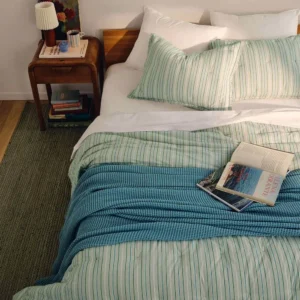
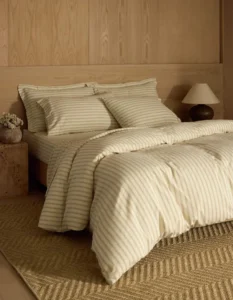
Beyond personal style and travel essentials, the Nordstrom Anniversary Sale also offers an opportunity to enhance home comfort. Shoppers can find discounts on items that can transform a living space into a sanctuary, reminiscent of a five-star hotel experience. Cozy Earth’s Bubble Cuddle Blanket offers unparalleled softness and warmth, while Parachute’s Cozy Quilted Organic Cotton Comforter provides a luxurious upgrade for the bedroom. Silk pillowcases from Brooklinen are also available, promoting better sleep and skin health both at home and during travel.
Other notable home goods on sale include Le Creuset’s iconic Dutch ovens, perfect for culinary enthusiasts, and air purifiers from Miko, which contribute to a cleaner and healthier home environment. Voluspa and Boll & Branch are also featured brands, offering a range of home fragrance and bedding products that enhance comfort and ambiance. These home goods are not only functional but also contribute to a sense of well-being, making them valuable additions to any household, especially for those who appreciate comfort and quality.

Travel Accessories: The Small Touches for a Smoother Journey
No travel preparation is complete without considering the smaller accessories that can significantly impact comfort and convenience. The Nordstrom Anniversary Sale includes a variety of these thoughtful items from brands like Baggallini, Bombas, and Blissy. For those embarking on long-haul flights, a cozy cashmere travel wrap offers warmth and versatility, while compression socks can help reduce swelling and improve circulation. A silky eye mask is an essential for ensuring quality sleep during transit.
The sale also features practical organization solutions, such as Baggallini’s Set Wave Accordion Travel Organizer, which helps keep essentials neatly arranged. Bombas’ assorted six-pack of ankle socks provides comfort and performance for everyday wear or active pursuits. Blissy’s Dream 4-piece Mulberry Silk Set, including a pillowcase, sleep mask, and scrunchie, offers a touch of luxury for restful sleep. Nordstrom’s own brand also contributes with a Rectangle Zip Jewelry Box, perfect for keeping accessories organized and protected during travel. Wayb’s Two-Piece Custom Size Organization Pods are another excellent option for keeping luggage tidy and efficient. These accessories, often overlooked, play a crucial role in enhancing the overall travel experience, and their availability at discounted prices makes them worthwhile purchases.
Frequently Asked Questions about the Nordstrom Anniversary Sale
The Nordstrom Anniversary Sale, a highly anticipated retail event, generates numerous questions from eager shoppers. Understanding the key details can help maximize savings and ensure a successful shopping experience.
When is the Nordstrom Anniversary Sale?
The Nordstrom Anniversary Sale typically runs for an extended period, with early access for Nordstrom cardholders and a public sale period that follows. For 2026, early access for Nordstrom cardholders began on Tuesday, July 14, with different tiers of cardholder status receiving access on subsequent days. The general public sale commenced on Saturday, July 18, and will continue through August 9. This staggered opening allows for a controlled release of inventory and caters to the different levels of customer loyalty.
Is the Sale Open to Everyone?
Yes, the Nordstrom Anniversary Sale is open to everyone, though cardholders receive earlier access. Starting July 18, the sale becomes available to the general public, allowing anyone to take advantage of the significant discounts on new arrivals and popular items. While waiting a few days might mean a smaller selection, the substantial savings often make it worthwhile.
What Are the Best Deals This Year?
This year’s sale features a wide array of highly desirable items across all categories. In terms of luggage, brands like Tumi, Away, and Béis are offering notable discounts. The beauty and skincare sector sees significant markdowns on premium brands such as La Mer, Chanel, and Supergoop. For apparel and footwear, shoppers can find excellent deals on items from Adidas, Birkenstock, Hoka, Ugg, Free People, and The North Face, among others. The focus on new season merchandise means shoppers can acquire the latest trends at pre-season prices.
Will More Items Be Marked Down During the Sale?
Typically, Nordstrom releases all sale items at the beginning of the Anniversary Sale. This means that popular items are likely to sell out quickly, and shoppers are encouraged to make their desired purchases as early as possible to avoid disappointment. Unlike some other sales events, new items are not usually added to the sale throughout its duration.
The Nordstrom Anniversary Sale continues to be a benchmark event in the retail industry, offering a compelling mix of new season merchandise and significant savings. By understanding the sale’s timeline, categories, and key offerings, shoppers can effectively navigate the event and secure valuable additions to their travel and lifestyle collections.