Venture Capital Icon Ron Conway Announces Rare Cancer Diagnosis, Reaffirms SV Angel’s Continuity Under Sons’ Leadership

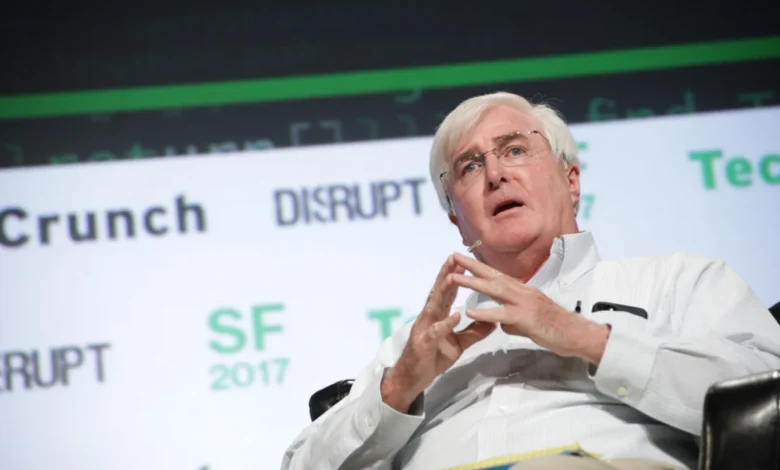
Longtime venture capitalist Ron Conway, a pivotal figure in shaping the modern technology landscape, announced on Friday, April 18, 2026, that he has been "recently diagnosed with a rare form of cancer." The announcement, made through a post on the social media platform X (formerly Twitter), sent ripples through Silicon Valley, prompting an immediate outpouring of concern and support for one of the industry’s most respected and influential early-stage investors. Conway, known for his instrumental role in backing some of the most successful tech companies of the past three decades, conveyed a message of resolve and optimism, assuring the community that while he will be "stepping back from some of my usual activities" to prioritize treatment, his firm, SV Angel, will remain "unchanged" with his sons, Topher and Ronny Conway, at the helm.
A Legacy of Visionary Investing: The Rise of a Silicon Valley Patriarch
Ron Conway’s career spans an era of unprecedented technological innovation, positioning him as a foundational architect of the modern startup ecosystem. Born in San Francisco, Conway began his journey in the tech world in the 1980s, co-founding his first company, Personal Training Systems, in 1987, which was later acquired by CBT Systems. His transition into venture capital marked a significant turning point, not just for his own career but for the entire early-stage funding landscape. In 1994, he co-founded Angel Investors LP, one of the earliest and most successful angel funds, pioneering a model that would become a blueprint for subsequent generations of seed investors. This initial venture alone saw remarkable successes, including early investments in companies like Google, PayPal, and Excite@Home, showcasing Conway’s uncanny ability to identify nascent potential in groundbreaking technologies and visionary founders. His early belief in companies that would go on to define the internet era underscored a prescient understanding of market shifts and technological disruption.
His reputation as a "super angel" solidified with the establishment of SV Angel in 2009. The firm quickly became synonymous with strategic early-stage funding, often being among the very first investors in companies that would later become household names. SV Angel’s portfolio reads like a who’s who of tech giants: Twitter, Airbnb, Dropbox, Pinterest, Snap, Stripe, and many more. Conway’s investment philosophy extended beyond mere capital; he was renowned for his hands-on mentorship, leveraging his vast network and deep industry insights to guide founders through critical early challenges. His advice was highly sought after, and his endorsement often served as a powerful signal of a startup’s potential, attracting further investment and talent. He cultivated a reputation for being fiercely loyal to his founders, often acting as an advocate and connector within the intricate web of Silicon Valley. This approach helped define the modern role of an angel investor, shifting it from passive capital provision to active partnership and strategic guidance, a model that has since been emulated by countless early-stage funds and accelerators globally. His influence wasn’t just in picking winners, but in actively contributing to their growth and fostering a collaborative, supportive ecosystem.
Navigating a Personal Challenge: Conway’s Statement and Future Plans
In his recent X post, Conway directly addressed his health challenge, stating, "I will be stepping back from some of my usual activities." This measured approach reflects a pragmatic understanding of the demands of his treatment while underscoring his continued commitment to the ventures he has championed. He emphasized that he will "continue to support" founders backed by SV Angel, particularly focusing on those at "inflection points." This indicates a strategic reallocation of his time and energy, allowing him to prioritize his health without fully disengaging from the ecosystem he helped build. "With a more focused and balanced schedule, I can prioritize treatments while helping SV Angel founders at inflection points like we always do!" he wrote, signaling that his invaluable experience will still be accessible to the firm’s portfolio companies during critical growth phases, particularly when strategic guidance or high-level introductions are most crucial.
Conway also made a conscious decision not to disclose the specific type of cancer he is battling. He clarified this choice by stating he does not want "speculation" about his prognosis, wishing to maintain a degree of privacy around his medical journey. This decision aligns with a professional demeanor that has characterized his public life, focusing on actionable information rather than personal details that could distract from the core message of continuity and resilience. Despite the serious nature of his diagnosis, he conveyed a strong sense of hope and determination. "I remain optimistic," he asserted, adding, "I am fortunate to have the best/amazing team of UCSF doctors in San Francisco, and as you know, I never back down from a fight." This statement not only highlights his access to world-class medical care at institutions renowned for their cutting-edge research and treatment protocols but also reinforces his personal character – a trait familiar to anyone who has followed his entrepreneurial and investment career. His fighting spirit, a hallmark of his professional life in navigating competitive markets and economic downturns, now extends to his personal health battle, resonating deeply with those who admire his resilience and tenacity.
SV Angel’s Seamless Transition: A Decade in the Making
A crucial aspect of Conway’s announcement was the assurance of SV Angel’s operational continuity and stable leadership. He underscored that the firm’s daily operations and investment strategy would remain "unchanged," attributing this stability to a succession plan that has been quietly unfolding for years. "My son Topher Conway has made all of our investment decisions for the better part of the last decade," Conway revealed. This detail is highly significant, indicating a well-established transition of core responsibilities and strategic oversight within the firm that predates the current health announcement. Topher Conway’s deep involvement over such an extended period ensures that SV Angel’s investment philosophy, its meticulous approach to due diligence, and its operational rhythm will persist without disruption, maintaining the high standards set by its founder. His tenure has seen SV Angel navigate various market cycles, demonstrating a consistent ability to identify and support promising ventures.
Further strengthening the firm’s leadership, Conway noted that his other son, Ronny Conway, joined SV Angel as a managing partner in 2024. Ronny Conway brings his own extensive experience to the firm, having founded and led Andreessen Horowitz’s seed fund, a highly successful early-stage investment vehicle in its own right. His move to SV Angel represents a powerful consolidation of talent and experience within the family-run firm, combining the institutional knowledge of SV Angel with fresh perspectives from another leading venture capital powerhouse. Ronny Conway’s background at a major venture capital firm, coupled with Topher’s long-standing leadership at SV Angel, creates a formidable and experienced team ready to steer the firm into its next chapter.
Ron Conway articulated the collective strength and forward-looking vision of his sons’ leadership: "They bring experience from nearly every major technology cycle in Silicon Valley and are now focused on partnering with founders building the future of AI." This statement highlights SV Angel’s strategic commitment to investing in artificial intelligence, a sector currently at the forefront of technological innovation and poised for exponential growth. The seamless transition underscores the foresight Ron Conway exhibited in preparing his firm for the future, ensuring its continued relevance and impact in a rapidly evolving tech landscape. This long-term planning provides stability not only for SV Angel itself but also for the numerous founders and startups that rely on its capital, guidance, and network to navigate the complexities of early-stage growth. The firm’s focus on AI also signals its adaptability and readiness to embrace new technological paradigms.

The Enduring Impact of Angel Investing and "Super Angels"
Ron Conway’s journey mirrors the evolution of angel investing itself. In the nascent days of Silicon Valley, individual wealthy investors often provided the crucial initial capital for nascent startups, driven by a combination of personal passion, industry insight, and a desire to foster innovation. These "angels" typically operated with less formality than traditional venture capital firms, offering smaller checks but often significant mentorship. Conway, however, elevated this model. He institutionalized angel investing through Angel Investors LP and later SV Angel, demonstrating that early-stage funding could be a highly strategic, professional, and impactful endeavor, not merely a hobby for the wealthy.
His success, along with that of other prominent "super angels" like Mike Maples Jr. and Reid Hoffman, transformed the perception of seed funding. It moved from being a niche activity to a critical, highly competitive stage of startup financing. These individuals not only provided capital but also acted as powerful network connectors, opening doors to subsequent funding rounds, key talent acquisition, and strategic partnerships. The rise of "super angels" fundamentally altered the venture capital landscape, creating a vibrant ecosystem where promising ideas could secure crucial early backing more readily, thereby accelerating the pace of innovation across various sectors. SV Angel, under Conway’s leadership, became a benchmark for how effective and impactful a dedicated early-stage fund could be, setting high standards for founder support, ethical practices, and portfolio success that continue to influence the industry.
A Community United: Anticipated Reactions and Broader Implications
The announcement of Ron Conway’s diagnosis is expected to elicit a wave of heartfelt responses from across the global technology community. Given his stature and the profound impact he has had on countless entrepreneurs, investors, and industry leaders, messages of support, well wishes, and gratitude are anticipated from figures who have directly benefited from his mentorship, investment, or advocacy. Founders of companies like Google, PayPal, Twitter, Airbnb, and many others, whose early success was significantly facilitated by Conway’s belief and backing, are likely to express their solidarity publicly or privately. His peers in the venture capital world, many of whom he has mentored, advised, or collaborated with over the decades, will also undoubtedly convey their support, recognizing his unparalleled contributions to the very structure of the industry.
Beyond the immediate well wishes, Conway’s partial step-back carries broader implications for Silicon Valley, particularly concerning his significant civic and philanthropic engagements. Conway has been a vocal and influential advocate for tech-friendly policies in San Francisco and California, often bridging the gap between the burgeoning startup community and political leaders. He has been instrumental in shaping public discourse around technology’s role in society and has championed initiatives to foster innovation within the state. He has also been a generous philanthropist, supporting various causes, including education, healthcare initiatives, and civic improvements. While his sons are expected to continue SV Angel’s core investment activities, the nuances of his personal involvement in these broader civic and philanthropic roles may shift. However, his deep-rooted connections, the respect he commands, and the infrastructure he has helped build suggest that his influence will continue to be felt, even if his direct participation is reduced. The tech community often looks to its elder statesmen for guidance and leadership, and Conway has consistently filled that role, acting as a conscience and a convener for decades.
The transparency with which Conway shared his diagnosis, while maintaining privacy about specifics, also reflects a growing trend within the tech industry where public figures are becoming more open about personal health challenges. This openness can foster empathy, reduce the stigma often associated with serious illnesses, and potentially encourage others to seek necessary medical care and support networks. His explicit mention of UCSF doctors underscores the critical role of world-class medical institutions in the Bay Area, which are often supported by the very individuals and wealth generated within the tech sector, creating a symbiotic relationship between innovation and advanced healthcare.
A Chronology of Influence: Key Milestones in Ron Conway’s Career
To fully appreciate Ron Conway’s enduring impact, a brief timeline of his career highlights his consistent presence at the vanguard of technological and investment trends:
- 1987: Co-founds Personal Training Systems, his first entrepreneurial venture, demonstrating early business acumen.
- 1994: Co-founds Angel Investors LP, pioneering the institutional angel fund model, which quickly became a blueprint for early-stage investment, with early investments in companies like Google and PayPal.
- Late 1990s – Early 2000s: Becomes known for his astute early-stage investments during the turbulent dot-com boom and subsequent bust, demonstrating resilience and foresight in a challenging market.
- 2009: Establishes SV Angel, solidifying his "super angel" status and focusing intensely on seed-stage investments during the burgeoning social media and mobile era. Key early investments include Twitter, Airbnb, and Dropbox, all of which became industry titans.
- 22010s: SV Angel continues to back numerous unicorn startups, cementing its reputation as a premier early-stage investor. During this period, Topher Conway gradually assumes significant decision-making responsibilities within the firm, preparing for a smooth succession.
- 2024: Ronny Conway joins SV Angel as a managing partner, further strengthening the firm’s leadership and investment expertise, particularly in emerging and high-growth areas like artificial intelligence.
- April 18, 2026: Ron Conway publicly announces his diagnosis with a rare form of cancer, confirming a strategic shift in his personal activities while reaffirming SV Angel’s stable leadership under his sons.
This chronology illustrates a career marked by continuous adaptation, visionary insight, and a profound commitment to nurturing innovation, consistently placing him at the heart of Silicon Valley’s most significant transformations.
Looking Forward: Legacy and Continued Innovation
Ron Conway’s announcement, while somber in its nature, is imbued with his characteristic resilience and a clear vision for the future of SV Angel. His decision to share his diagnosis publicly, coupled with the strong message of continuity and the established leadership of his sons, Topher and Ronny, ensures that his legacy of fostering groundbreaking technology will persist. SV Angel, a firm deeply ingrained in the fabric of Silicon Valley, is well-positioned to continue its pivotal role in identifying and nurturing the next generation of transformative startups, especially within the rapidly expanding field of artificial intelligence.
The outpouring of support from the tech community will undoubtedly serve as a testament to Conway’s profound influence, not just as an investor but as a mentor, advocate, and friend to countless individuals whose careers and companies he profoundly impacted. As he embarks on his treatment journey, the optimism he expressed, coupled with his fighting spirit and access to exceptional medical care, offers hope for his recovery. Ron Conway’s indelible mark on Silicon Valley is secure, and his firm, guided by his sons, is poised to carry forward his pioneering spirit into new frontiers of innovation. The community watches, hopeful for his recovery and confident in the enduring strength and strategic direction of the institution he so meticulously built.
Related posts: