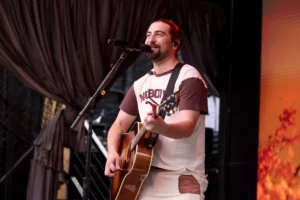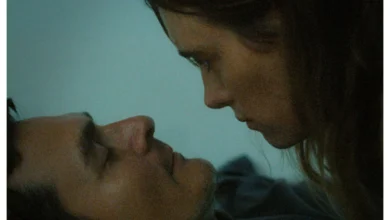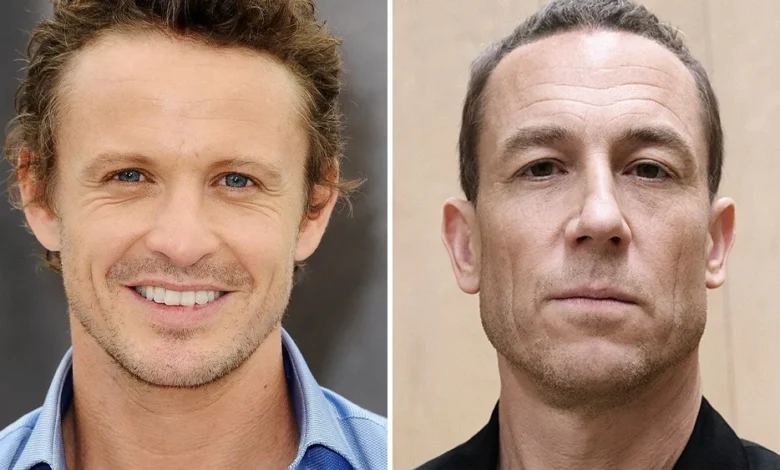
David Lyons and Tobias Menzies have been tapped to join Jennifer Connelly and Ana de Armas in Safe Houses, Apple TV+’s forthcoming eight-episode thriller series from the acclaimed Gideon Raff. The project, inspired by Dan Fesperman’s gripping espionage novel, promises to delve into the intricate world of international intrigue and clandestine operations, further solidifying Apple TV+’s commitment to high-caliber, genre-defining content. Lyons is set to portray Kevin Garvey, a seasoned special operations CIA agent, while Menzies will embody Clarke Winters, the husband of Jennifer Connelly’s character, Ambassador Elizabeth Winters. This casting announcement signals a powerful ensemble, poised to deliver a compelling narrative within the complex landscape of espionage.
The series is set against the tumultuous backdrop of Madrid, in the immediate aftermath of the assassination of a high-ranking CIA officer. At the heart of the unfolding drama are Sofia Jiménez (de Armas), a fugitive agent controversially accused of the murder, and Ambassador Elizabeth Winters (Connelly), the victim’s widow. Their parallel investigations, conducted from opposing sides of the truth, are destined to intersect, unearthing a labyrinthine conspiracy with the potential to destabilize the delicate equilibrium of global power. The premise itself hints at a high-stakes narrative, where trust is a luxury and every revelation carries profound consequences. The choice of Madrid as a setting further amplifies the sense of international intrigue, a city known for its rich history and strategic geopolitical importance.
The narrative framework of Safe Houses is deeply rooted in the genre conventions of spy thrillers, a genre that has seen a resurgence in popularity across streaming platforms. The espionage novel by Dan Fesperman, known for his meticulous research and compelling storytelling, provides a robust foundation for the series. Fesperman’s works often explore the moral ambiguities inherent in the intelligence world, a theme that is likely to be central to Safe Houses. The author has a distinguished career, with numerous acclaimed novels such as "The Berlin Exchange" and "The Spy Who Came In From The Cold," which have earned him a reputation for crafting intelligent and suspenseful narratives. The adaptation of his work for a major streaming service like Apple TV+ suggests a significant investment in quality storytelling, aiming to capture both the intricate plotlines and the psychological depth of the source material.
The Genesis of a Conspiracy: Plot and Character Dynamics
The core of Safe Houses revolves around the investigation into the murder of a senior CIA official. This event acts as the catalyst, propelling Ambassador Elizabeth Winters and fugitive agent Sofia Jiménez into a dangerous dance of discovery. Ambassador Winters, grieving and potentially seeking justice or even vengeance, will likely leverage her diplomatic access and influence, while Jiménez, operating in the shadows and under immense pressure, will employ her skills as a clandestine operative. The inherent conflict and potential for unforeseen alliances between these two women form a compelling dramatic engine. The series will likely explore the personal toll of espionage, the sacrifices made by those involved, and the ethical dilemmas they confront.
David Lyons’ portrayal of Kevin Garvey, a special ops CIA agent, suggests a character who is likely to be deeply involved in the operational aspects of the investigation. Special operations agents are typically depicted as highly skilled, resourceful, and often operating in morally grey areas. Lyons’ recent work, including prominent roles in Netflix’s The Beast in Me and The Night Agent, demonstrates his capability in handling intense, action-oriented roles and complex characters. His presence in Safe Houses suggests a key player in the unfolding mystery, possibly acting as a liaison, an antagonist, or an unlikely ally to the protagonists.
Tobias Menzies, a performer celebrated for his nuanced portrayals in series like Outlander, The Crown, and Manhunt, brings a significant gravitas to the role of Clarke Winters. As the husband of Ambassador Winters, his character’s perspective could offer a unique insight into the personal lives of those caught in the crosshairs of international intrigue. Menzies’ ability to convey hidden depths and inner turmoil will be crucial in developing Clarke Winters beyond a mere supporting role, potentially revealing secrets or motivations that are vital to the overarching conspiracy. His recent appearance in Apple’s F1 The Movie underscores his established relationship with the platform and his versatility as an actor.
Production Prowess and Creative Vision
Safe Houses is a co-production between wiip and Apple Studios, a testament to the collaborative efforts involved in bringing such an ambitious project to fruition. Gideon Raff, renowned for his work on Homeland, is spearheading the series as showrunner and executive producer, and will also direct several episodes. Raff’s expertise in crafting sophisticated and suspenseful thriller narratives is a significant asset, promising a high standard of execution. His directorial contributions are expected to imbue the series with a distinct visual style and a palpable sense of tension.
The creative team is further bolstered by the involvement of Otto Bathurst, who will direct the opening block of the series and also serve as an executive producer. Bathurst’s previous directorial work, including episodes of Peaky Blinders and Black Mirror, showcases his talent for creating atmospheric and visually striking productions. The executive producer team also includes Alexandra Milchan, Paul Lee, and David Flynn for wiip, alongside Adam Berkowitz, Mike Seid, Dan Dietz, and Namsi Khan as co-executive producers. This assembly of talent from both established production houses and experienced industry professionals indicates a strong commitment to delivering a premium television experience. The involvement of wiip, known for its acclaimed productions such as Mare of Easttown and The White House Plumbers, further suggests a focus on character-driven drama and intricate plotting.
Contextualizing the Espionage Genre on Streaming
The landscape of streaming services has become a fertile ground for the espionage thriller. Shows like The Americans, Slow Horses, and The Night Manager have demonstrated a strong audience appetite for narratives that explore the complexities of intelligence agencies, the moral compromises of agents, and the high-stakes geopolitical games played out in the shadows. Apple TV+, in particular, has invested heavily in this genre, with series such as Tehran and the upcoming Slow Horses season, indicating a strategic focus on capturing this demographic.
The success of these shows often hinges on their ability to balance intricate plotlines with compelling character development, exploring not just the thrill of the chase but also the psychological impact of living a life of deception and danger. Safe Houses, with its literary source material and a strong creative team, appears poised to follow in this tradition, offering viewers a sophisticated and immersive viewing experience. The increasing sophistication of visual effects and production values in television also allows for more elaborate action sequences and authentic depictions of international locales, further enhancing the appeal of these thrillers.
Supporting Data and Industry Trends
The global television market has witnessed a significant surge in demand for international thrillers and espionage dramas. Streaming platforms are increasingly looking to adapt popular novels and real-world events to capitalize on these trends. The market for high-end drama series, particularly those with international appeal, is projected to continue its growth. Data from industry analysts suggests that subscription video-on-demand (SVOD) services are heavily investing in original content, with a significant portion allocated to genre programming like thrillers and mysteries. The ability of these shows to transcend cultural barriers and attract a global audience makes them particularly attractive for international distribution.
The recruitment of established actors with international recognition, such as Connelly, de Armas, Lyons, and Menzies, is a common strategy employed by streaming services to ensure broader appeal and generate buzz. This approach not only attracts existing fan bases but also signals a commitment to quality and a higher production standard, which can influence subscriber acquisition and retention. The co-production model, as seen with wiip and Apple Studios, also allows for the sharing of financial risks and the leveraging of diverse production expertise, a trend that is becoming increasingly prevalent in the global television industry.
Potential Implications and Future Outlook
The casting of David Lyons and Tobias Menzies alongside Jennifer Connelly and Ana de Armas in Safe Houses is a strong indicator of the series’ ambition. The combination of established talent and a compelling narrative premise positions the show as a potential flagship series for Apple TV+. The success of such a series could further bolster Apple’s reputation as a purveyor of prestige television and attract a wider subscriber base.
The series’ exploration of global conspiracy and its potential to "upend the balance of global power" hints at themes that resonate deeply in the current geopolitical climate. Audiences are often drawn to narratives that reflect or comment on contemporary anxieties, and espionage thrillers that deal with international intrigue can provide a platform for such exploration. The show’s ability to weave together personal drama with high-stakes political maneuvering will be crucial to its success. The development of Safe Houses reflects a broader trend in the television industry towards more complex, serialized storytelling that delves into the intricacies of espionage and international relations, offering a sophisticated form of escapism that also engages with real-world issues. The success of Safe Houses could pave the way for further adaptations of espionage literature and contribute to the ongoing evolution of the thriller genre on streaming platforms.