Homeownership is frequently characterized by the pride of property investment and the fulfillment of long-term financial goals, but it is also a process of constant mechanical evolution. As structures age, they inevitably produce an array of sensory anomalies—creaks, groans, flickers, and drafts—that can cause significant anxiety for the uninitiated. While the instinctual reaction to these phenomena often leans toward the supernatural, a professional inspection of residential maintenance records reveals that these “hauntings” are almost always the early warning signs of structural, electrical, or plumbing degradation. Ignoring these signals does not merely invite discomfort; it often allows minor maintenance issues to metastasize into major capital expenditures that can reach thousands of dollars in repair costs.
The phenomenon of residential degradation follows a predictable timeline. Most homes built in the mid-20th century, for instance, are currently reaching a critical threshold where original infrastructure, such as knob-and-tube wiring or early-generation copper piping, begins to fail simultaneously. Data from the National Association of Home Builders suggests that the average lifespan of major home components—including roofing, HVAC systems, and plumbing—ranges between 15 and 30 years. When these components reach the end of their lifecycle, they begin to manifest the very symptoms that homeowners often mistake for atmospheric quirks.

Structural Instability and Foundation Movement
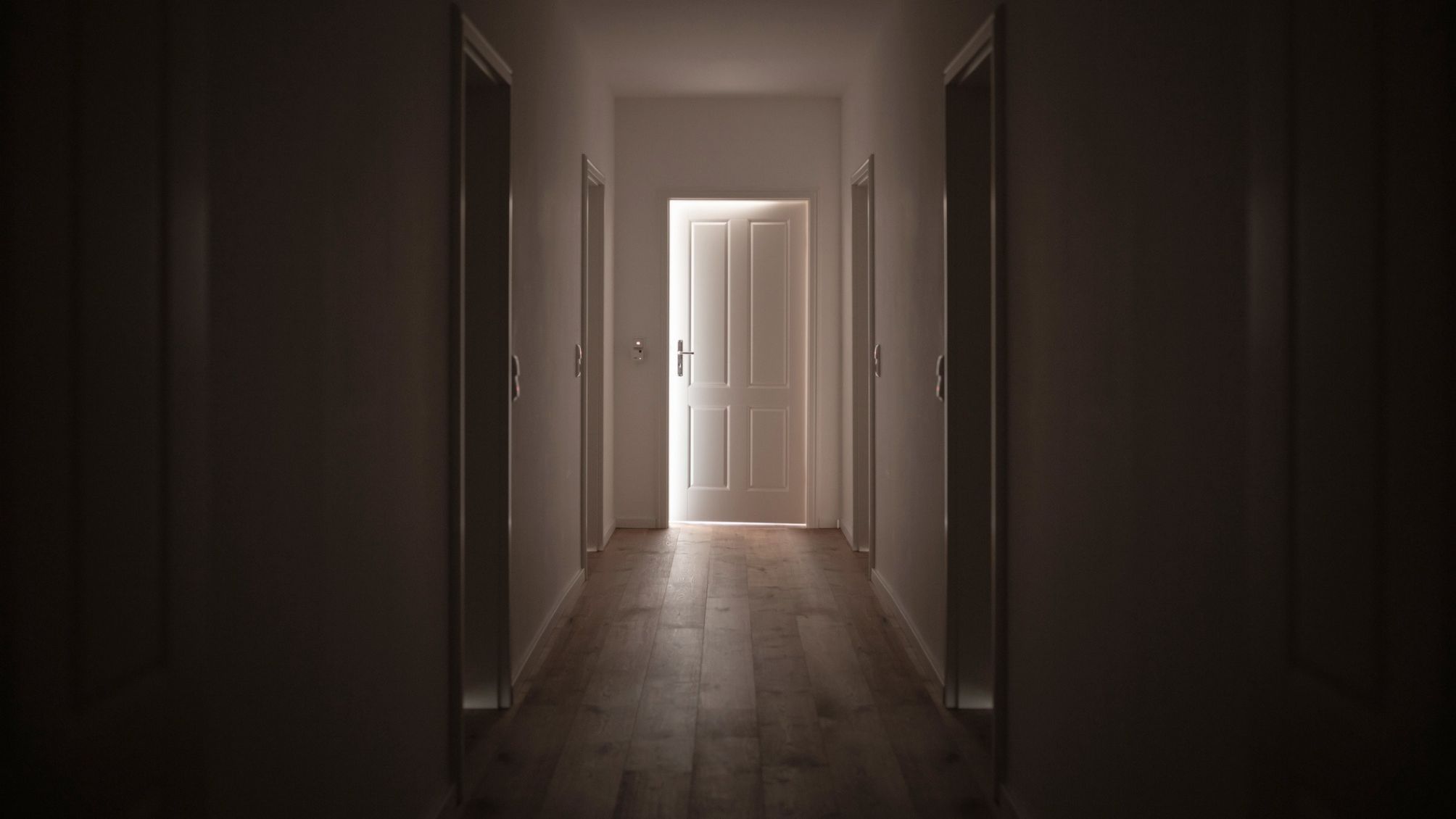
One of the most common complaints among homeowners involves doors that appear to open or close on their own. While popular media frames this as a paranormal event, the physical reality is typically linked to foundation settlement or shifting. A house is a dynamic system; as the soil beneath the foundation expands due to moisture retention or contracts during periods of drought, the structure itself moves by fractions of an inch. Even this microscopic movement can shift door frames out of plumb.
When a door begins to stick, or when it swings shut without external force, it serves as a diagnostic indicator of structural stress. According to the American Society of Home Inspectors, if multiple doors within a home start to exhibit this behavior simultaneously, it is a high-probability indicator that the foundation is no longer level. The implications are severe: foundation stabilization or piering projects are among the most expensive home repairs, frequently costing between $5,000 and $15,000, depending on the severity of the shift. Homeowners are advised to monitor for secondary symptoms, such as diagonal cracks in drywall spanning from the corners of door frames, which confirm that the structure is experiencing uneven settling.
Electrical Hazards and the Myth of Simple Flickering
Flickering lights represent a more immediate safety risk than foundation issues. While a loose bulb is a simple fix, persistent dimming or flickering throughout a home often points to an overloaded circuit or a loose neutral wire in the electrical panel. In the United States, electrical fires account for approximately 51,000 home fires each year, resulting in nearly 500 deaths and $1.3 billion in property damage.
The chronology of electrical failure often begins with minor, intermittent flickering, followed by the faint scent of ozone or “fishy” odors, and eventually the tripping of breakers. Industry experts recommend that any electrical anomaly be treated with immediate skepticism. An electrical inspection, which typically costs between $150 and $300, is a prudent investment. Replacing a faulty circuit breaker or tightening connections in an electrical panel is an inexpensive preventative measure that mitigates the risk of catastrophic fire.
Thermal Inefficiency and Energy Audits
Cold spots in a room, often mistaken for drafts or “chills,” are usually the result of thermal bridging—a process where heat escapes through conductive materials in the wall or attic. This is frequently exacerbated by the degradation of fiberglass or cellulose insulation over time. In older homes, insulation can settle, creating gaps at the top of wall cavities that allow cold air to infiltrate.
A formal energy audit, which often involves blower-door testing and infrared thermography, provides a quantitative assessment of a home’s thermal envelope. Data from the Department of Energy indicates that households can reduce their monthly utility expenditures by an average of 15% by addressing these insulation gaps and air leaks. Beyond the financial impact, maintaining a consistent interior temperature is vital for preventing condensation, which can lead to wood rot and structural mold.
The Dangers of Auditory Signals: Plumbing and Pests
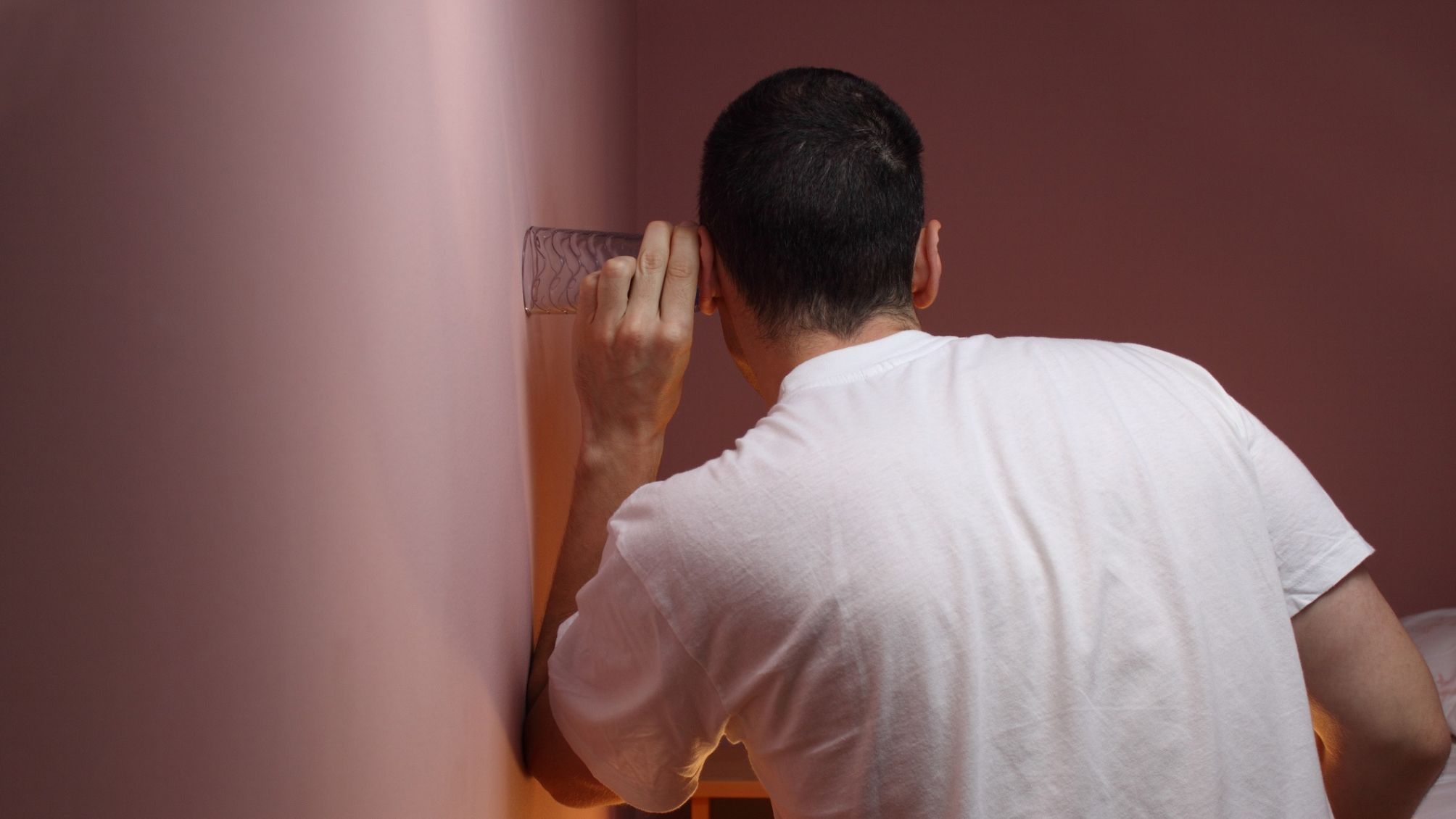
Mysterious knocking behind walls is frequently attributed to “water hammer.” This occurs when a valve is closed suddenly, causing a pressure wave to travel back through the pipes, hitting the rigid structure of the home. Over time, this pressure wave can weaken soldered joints, eventually leading to pinhole leaks.
Conversely, similar sounds—specifically scratching or scurrying—may indicate a pest infestation. Rodents, including squirrels and mice, are notorious for nesting in wall voids and attics. The danger here is twofold: physical damage to the structure and the chewing of electrical insulation. The latter is a leading cause of internal wall fires. Pest control professionals emphasize that once a noise becomes audible, the infestation has likely reached a stage where exclusion and removal are necessary to prevent long-term damage to the home’s electrical and HVAC systems.
Olfactory Indicators of Hidden Damage
The sense of smell is arguably the most sensitive tool a homeowner possesses. A persistent musty odor is almost universally linked to the presence of moisture. Because moisture is the catalyst for mold growth and structural decay, its presence should never be dismissed as an aesthetic nuisance.

When a musty smell is detected, it is rarely confined to the surface. It often originates from subfloors, behind baseboards, or inside HVAC ductwork. Professional remediation of mold-damaged drywall and insulation can cost upwards of $2,000 per room. Identifying the source of the moisture—whether it is a leaking roof, poor grading around the foundation, or a plumbing failure—is the only way to permanently eliminate the odor and prevent further degradation.
Window Integrity and Air Infiltration
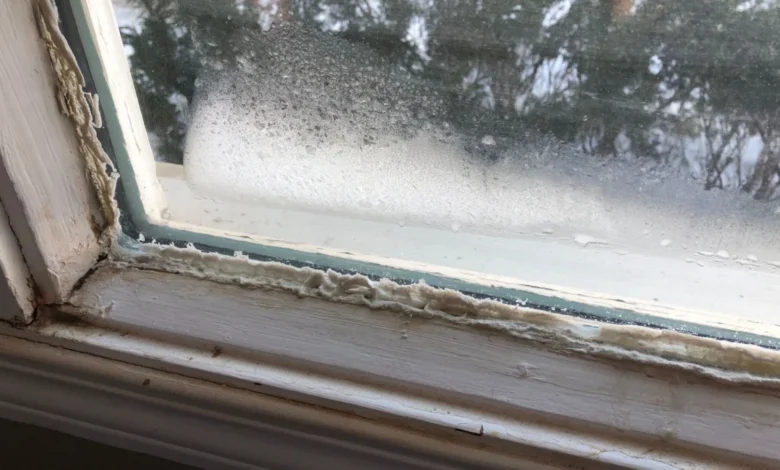
Windows that rattle or whistle are often signaling a failure in the seal or a deterioration of the frame itself. Modern windows are designed as a sealed system; when the weatherstripping fails, the window loses its ability to insulate the home. The resulting air infiltration is not only a comfort issue but a significant contributor to energy waste. While the average cost of replacing a window is roughly $500, a complete home window replacement project can exceed $7,000. Homeowners are encouraged to perform regular maintenance, such as checking caulking and replacing worn weatherstripping, to extend the life of these expensive components.
Structural Flooring and Joist Integrity
Finally, floors that feel soft or exhibit sudden creaks often indicate an issue with the subfloor or the joists below. In many cases, these creaks are caused by friction between floorboards and the underlying joists as the house expands and contracts. However, if a floor begins to sag or feels spongy underfoot, it may indicate advanced wood rot or termite damage.
Structural engineers warn that floor instability is a lagging indicator of long-term neglect. If a floor joist has been compromised by moisture or pests, the load-bearing capacity of the floor is reduced, creating a safety hazard. Addressing these issues early, through the replacement of specific joists or the reinforcement of the subfloor, is significantly more cost-effective than a total flooring restoration.
Financial Implications and Proactive Management
The overarching trend in residential maintenance is clear: the cost of inaction is exponentially higher than the cost of prevention. The financial impact of ignoring these seven warning signs can be broken down into a hierarchy of risk. Electrical and foundation issues represent the highest tier of financial risk, requiring professional intervention and potentially thousands of dollars in capital. Moisture and pest issues represent the second tier, where rapid response is required to prevent widespread damage.
For homeowners facing these challenges, financial planning is essential. Many lending institutions offer Home Equity Lines of Credit (HELOCs) or home improvement loans specifically designed for essential repairs. However, the most effective strategy remains proactive inspection. Establishing a biannual maintenance schedule—where the attic, basement, and exterior foundation are checked for these specific signs—can transform a potential crisis into a manageable maintenance task.
Ultimately, the “haunted” house is a construct of folklore, but the “deteriorating” house is a physical reality that every property owner must navigate. By shifting from a reactive mindset to a diagnostic one, homeowners can preserve the value of their investment and ensure that their home remains a safe, stable, and cost-efficient place to live. When a house makes an unexpected noise, the logical response is not to flee, but to investigate the structural, mechanical, or environmental cause, ensuring that the property remains a secure asset for years to come.