When Children Sense Tension: How Parental Stress Impacts Youth Development and How to Address It

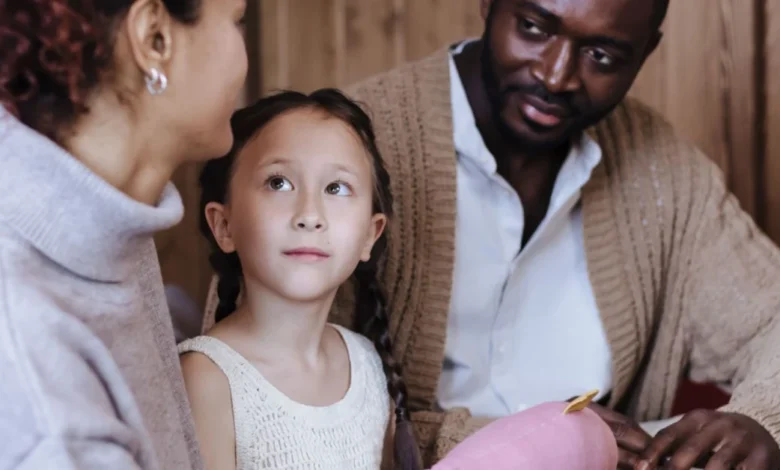
The invisible radar of childhood is remarkably acute, allowing young people to detect shifts in domestic atmospheres long before adults utter a single word of explanation. Decades of developmental psychology research confirm that children possess a profound capacity for nonverbal communication, tuning into the micro-expressions, postural changes, and behavioral shifts of their primary caregivers. When domestic tension arises, children rarely remain oblivious. Instead, they absorb the emotional climate of their homes, often internalizing unspoken anxieties and constructing elaborate internal narratives to make sense of the emotional dissonance they observe.
This silent burden frequently manifests in behavioral alterations, academic withdrawal, and interpersonal friction outside the home. For mental health professionals, educators, and parents alike, recognizing these behavioral signals is only the first step. The critical challenge lies in initiating constructive, age-appropriate dialogues that lift the psychological weight from a child’s shoulders without exposing them to inappropriate adult burdens. Navigating this delicate balance requires careful emotional regulation, precise timing, and a steadfast commitment to transparency within the family unit.
The Case of Stevie: A Microcosm of Unspoken Domestic Strain
Consider the case of Margie and her young son, Stevie, a composite profile representative of families navigating marital stress. Margie first recognized that something was amiss not through a direct conversation, but through a pronounced shift in her son’s daily demeanor. Stevie, typically even-tempered, began exhibiting uncharacteristic irritability toward his younger sister and retreated into a pervasive, gloomy atmosphere at home.
Simultaneously, feedback from Stevie’s school indicated a parallel disruption. His teachers reported that he was increasingly isolated during recess, demonstrating a noticeable decline in focus and a waning interest in classroom activities. When one observant educator directly asked Margie whether anything unusual was occurring on the home front, the connection crystallized. Stevie had inadvertently overheard fragments of hushed arguments between Margie and her spouse regarding extended family logistics—specifically, the division of time spent with grandparents.
Stevie’s reaction was far from an isolated anomaly. According to clinical observations compiled by family therapists and child psychologists, children who suspect major domestic friction but lack contextual facts routinely experience heightened anxiety. Lacking the cognitive maturity to understand complex adult dynamics, children frequently resort to egocentric reasoning. In the absence of clarity, they often arrive at a damaging conclusion: that they are somehow the cause of the tension between their parents.
The Psychological Toll of Silence and Misattribution
The human brain is naturally inclined to resolve ambiguity, a psychological drive that becomes particularly pronounced—and perilous—in developing children. When a child senses emotional distress in their parents but receives blanket assurances that everything is fine—a phenomenon colloquially known as "gaslighting" or forced optimism—a profound cognitive dissonance occurs.
The child’s sensory input tells them one thing (tension, sadness, anger), while parental verbal communication insists on another (everything is normal). Caught in this contradiction, children frequently engage in self-blame. They scrutinize their own behavior, wondering if a poor grade, a messy bedroom, or a minor misbehavior triggered the palpable cold war between Mom and Dad.
Psychological studies on childhood anxiety indicate that unaddressed domestic tension is a primary contributor to somatic complaints among youth, including frequent stomachaches, headaches, and sleep disturbances. Furthermore, chronic stress in early development can alter cortisol production, impacting executive functioning, emotional regulation, and academic performance. When parents attempt to protect their children by hiding all forms of disagreement behind a facade of artificial perfection, they inadvertently deny the child the reassurance they desperately crave. Acknowledging that tension exists—while explicitly framing it as an adult issue independent of the child—shatters the illusion of guilt and provides immediate psychological relief.
Chronology of Intervention: Recognizing the Signs and Taking Action
Addressing domestic strain with a child requires a structured, chronological approach that prioritizes parental self-regulation before any conversation takes place.
Phase One: Behavioral Observation and Self-Assessment
The initial phase begins with observation. Parents must monitor persistent changes in their child’s academic engagement, social interactions, sleep patterns, and emotional reactivity. However, before engaging the child, parents must undergo a rigorous internal assessment. Mental health experts universally advise against initiating a difficult conversation while a parent is actively experiencing acute anger, despair, or anxiety. Seeing a parent visibly destabilized intensifies a child’s terror. Parents must first process their grievances away from the child, utilizing self-talk, counseling, or partner discussions until they achieve emotional equilibrium and genuine self-control.
Phase Two: Establishing the Right Environment
Once emotional stability is achieved, timing and environment become paramount. A conversation addressing domestic tension should never occur in the heat of an argument or amid the chaotic transitions of a busy morning schedule. Instead, parents should select a quiet, private space free from digital distractions. Ideally, both parents should participate, demonstrating a unified front even if disagreements persist between them. This presence reassures the child that, despite adult friction, the parental partnership remains intact and functional.
Phase Three: Opening the Dialogue and Validating Observations
The conversation should begin with gentle validation of the child’s perceptive abilities. A recommended approach involves opening with a collaborative framing: "As you have noticed, Mommy and Daddy have been having some disagreements recently, but we want you to know it is just because we both have strong feelings about what we are talking about." Parents should then actively invite the child’s perspective by asking open-ended questions: "Have you noticed this, and what have you been thinking or feeling about it?"
This inquiry serves a dual purpose. First, it honors the child’s intelligence and emotional intuition, reinforcing trust. Second, it grants the child permission to articulate their fears, allowing parents to correct misperceptions—most notably, the fear of personal culpability.
Establishing Boundaries: What to Say and What to Withhold
While radical honesty is the cornerstone of healthy family communication, complete transparency regarding the intimate details of marital discord is profoundly destructive. Children must never be cast in the role of confidant, mediator, or emotional caretaker.
When a child inevitably asks direct questions regarding the specific root of an argument—such as financial pressures, extended family conflicts, or philosophical differences—parents must establish firm, protective boundaries. The appropriate response involves reassuring the child that the matter is strictly "grown-up business" that remains safely managed between the adults.
Guidance for Effective Communication During Family Stress:
- Do Validate Reality: Acknowledge that tension exists so the child knows their instincts are accurate. False positivity destroys trust.
- Do Reinforce Absolution: Explicitly state that the disagreement has nothing to do with the child and that they are entirely blameless.
- Do Not Over-Share: Refrain from detailing marital grievances, legal disputes, or intimate adult matters.
- Do Not Burden: Ensure the child leaves the conversation feeling relieved and safeguarded, not burdened with adult responsibilities.
- Do Maintain Open Channels: Treat the discussion as an ongoing dialogue rather than a single, isolated event.
Broader Impact and the Power of Constructive Modeling
The ultimate objective of addressing domestic tension openly is not to project an idealized world devoid of conflict, but rather to model healthy conflict resolution. Children do not need to live in a vacuum of artificial harmony to develop resilience. In fact, observing parents navigate disagreements, express strong feelings respectfully, compromise, and ultimately reach a peaceful resolution provides a vital behavioral template.
Sociological and developmental research emphasizes that children learn far more from how adults handle adversity than from the absence of adversity itself. When parents demonstrate that disagreements are a normal component of human relationships—and that tension can safely dissipate through calm, rational conversation—they equip their children with lifelong coping mechanisms. By replacing secrecy with measured truth and anxiety with empathetic reassurance, families can transform moments of domestic vulnerability into powerful lessons in emotional intelligence, trust, and resilience.
Related posts: