
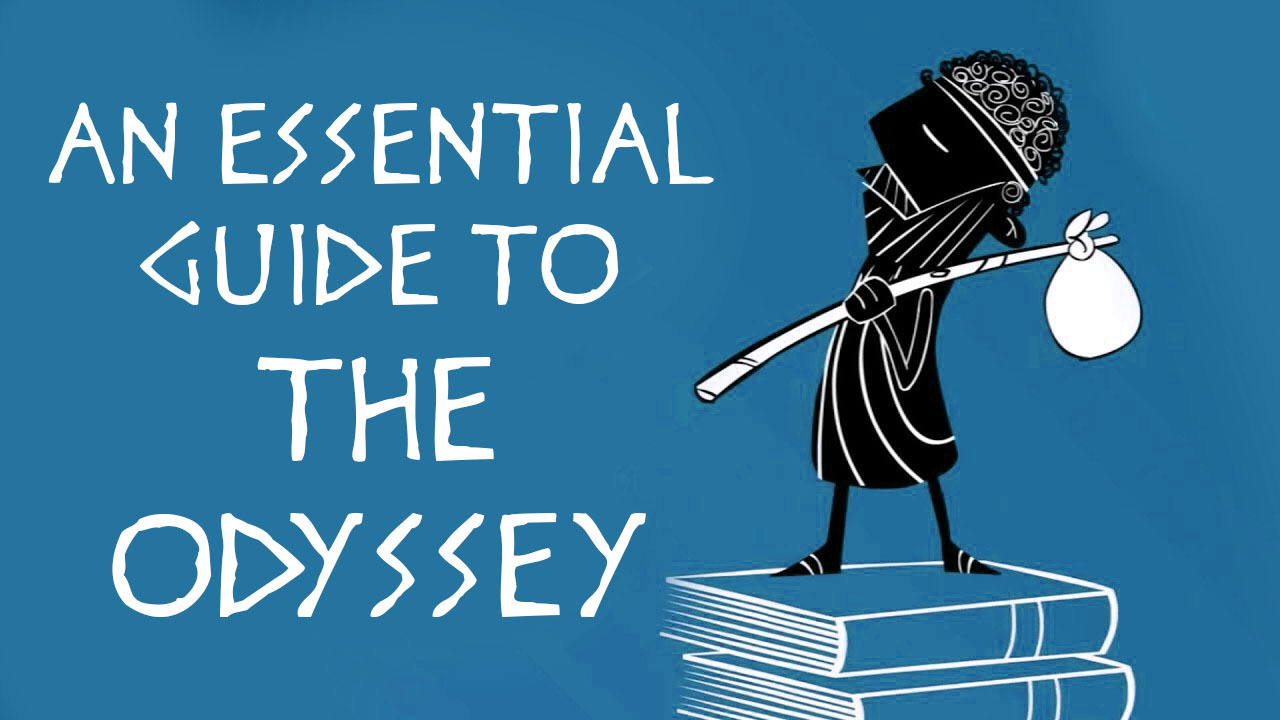
The enduring fascination with Homer’s Odyssey remains a cornerstone of Western literary tradition, serving as both a foundational epic poem and a complex cultural touchstone. Spanning approximately 12,000 lines of dactylic hexameter, the poem chronicles the decade-long return of Odysseus to his kingdom of Ithaca following the conclusion of the Trojan War. While often categorized as mythology, the text functions as a multifaceted historical artifact, weaving together oral traditions, geopolitical realities of the ancient Mediterranean, and existential inquiries that have resonated for nearly three millennia. Recent scholarly efforts, bolstered by digital educational initiatives, continue to bridge the gap between ancient legend and modern comprehension, providing audiences with tools to contextualize these seminal narratives.
Historical Foundations and the Oral Tradition
The genesis of the Odyssey is rooted in the late 8th century BCE, a period marking the transition of Greek oral culture into a literate society. Homer, a figure whose very existence remains a subject of intense academic debate—often referred to as the "Homeric Question"—is credited with codifying these tales. Historically, the Trojan War is believed to have occurred during the late Bronze Age, roughly between 1250 and 1180 BCE. Archaeological excavations, most notably those initiated by Heinrich Schliemann at Hisarlik in modern-day Turkey, have provided empirical evidence of a city that aligns with the geographic and defensive characteristics of Troy.
The poem serves as a repository of Mycenaean cultural memories. It describes a world of bronze-age kingship, ritualized hospitality (xenia), and navigation across a dangerous, untamed Mediterranean. By examining the poem through a historical lens, researchers have identified layers of reality embedded within the fantastical elements. The narrative is not merely a travelogue but a reflection of the Greek expansion into the Black and Mediterranean seas during the archaic period.
Chronology of the Homeric Hero’s Journey
The Odyssey is structured as a non-linear narrative, utilizing the literary device of in media res. The following chronology outlines the progression of the epic:
- The Fall of Troy: The conclusion of the ten-year war, initiated by the ruse of the Trojan Horse—a strategic deception that remains a primary case study in military history.
- The Departure: Odysseus and his men depart Troy, immediately encountering the divine wrath of Poseidon, which initiates a series of disastrous detours.
- The Trials of the Sea: Over the course of seven years, the protagonist encounters supernatural obstacles, including the lotus-eaters, the Cyclops Polyphemus, and the sorceress Circe. These episodes are frequently interpreted as allegorical representations of the dangers faced by ancient mariners.
- The Descent: The Nekyia, or the journey to the Underworld, represents a significant psychological turning point. This narrative arc provides insights into the ancient Greek perception of the afterlife and the societal importance of honoring the dead.
- The Return to Ithaca: The final phase focuses on the restoration of domestic order. Odysseus, disguised as a beggar, observes the betrayal of the suitors before orchestrating their demise and reclaiming his throne.
The Intersection of Science and Myth
Modern analysis has sought to reconcile the fantastical elements of the Odyssey with physical phenomena. Scientific researchers, including those at the TED-Ed initiative, have proposed that many of the "monsters" in the poem may be rooted in environmental observations. For instance, the descriptions of the Sirens or the whirlpool Charybdis may correlate to dangerous maritime currents, volcanic activity, or acoustic phenomena that plagued ancient sailors.
Furthermore, the myth of the Trojan Horse, while widely regarded as a legend, invites scrutiny regarding the technological capabilities of the era. The priest Laocoön’s warning against the horse serves as a poignant historical narrative regarding the dangers of complacency in the face of perceived peace. This episode has been immortalized in art, most notably in the Hellenistic sculpture Laocoön and His Sons, which illustrates the profound influence of Homeric tragedy on Western aesthetic development.
Broader Implications and Pedagogical Shifts
The integration of digital media into the study of the classics has significantly altered the accessibility of ancient texts. By utilizing video modules to deconstruct 12,000 lines of complex verse, educators are successfully engaging a new generation of readers who might otherwise find the archaic language impenetrable. These resources provide a vital framework, allowing students to distinguish between historical fact and the metaphorical layers of the poem.
Educational experts emphasize that the Odyssey remains relevant because it addresses universal human experiences: the trauma of war, the challenge of reintegrating into society, and the fundamental search for identity. The recent emergence of tabletop gaming and interactive puzzles, such as Pandora’s Legacy, demonstrates a trend toward "gamifying" mythology to reinforce thematic knowledge. By positioning these figures within an interactive, puzzle-based environment, the cultural memory of these myths is preserved through participatory engagement.
Analysis of Ancient Societal Values
A critical reading of the text reveals the rigid moral codes of the ancient world. The myth of Baucis and Philemon, often analyzed alongside the Odyssey, highlights the societal expectation of xenia—the obligation of a host to provide sanctuary to strangers, regardless of their status. This moral imperative is a central theme in the Odyssey; the suitors’ violation of this code is the primary catalyst for their eventual punishment.
The analysis of these myths provides a window into the evolution of Greek ethics. Scholars suggest that the transition from a society governed by the whims of capricious deities to one increasingly focused on human accountability—as evidenced by the growth of the polis (city-state)—is mirrored in the development of the Odyssey’s plot. The protagonist’s journey is not just one of geography, but one of moral maturation, moving from the prideful warrior of the Iliad to the cautious, strategic survivor of the Odyssey.
Conclusion and Future Research Directions
As archaeological technologies improve, the potential to further substantiate the Homeric record remains high. Future investigations into the submerged landscapes of the Mediterranean may yet reveal more about the trade routes and maritime conditions that informed the geography of Odysseus’s journey. Meanwhile, the literary influence of the Odyssey continues to permeate modern media, from film adaptations to contemporary literature.
The sustained interest in these ancient tales confirms that the Odyssey is not a static artifact of a bygone era, but a dynamic, evolving narrative. Whether through the lens of history, science, or literature, the journey of Odysseus continues to serve as an essential template for understanding the human condition, the complexities of leadership, and the relentless drive to return home against all odds. By maintaining a rigorous, multi-disciplinary approach to these texts, society ensures that the "gods, monsters, and complicated heroes" of antiquity continue to offer insight into the modern experience.